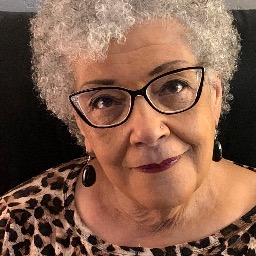
Sharon Calhoun
LMSWMichigan · 35 yrs exp
LMSW - Stress and relationship concerns
Stress, Anxiety · Addictions · Trauma and abuse · Self esteem · +3 more
Read profileTherapist listings come from BetterHelp. We will earn a commission at no extra cost to you if you use our links to buy.
Browse our directory of therapists who focus on self-love to find practitioners who align with your needs and goals. Use the listings below to compare specialties, approaches, credentials, languages, and start connecting with professionals who may help you on your path.
Michigan · 35 yrs exp
LMSW - Stress and relationship concerns
Stress, Anxiety · Addictions · Trauma and abuse · Self esteem · +3 more
Read profile
Texas · 5 yrs exp
Licensed Professional Counselor - Stress and Coaching
Stress, Anxiety · Self esteem · Depression · Coping with life changes · +1 more
Read profile
Texas · 3 yrs exp
LPC in Texas - Relationships and Stress
Stress, Anxiety · Relationship · Family · Parenting · +1 more
Read profile
Florida · 20 yrs exp
Florida LMFT - Relationships and Communication
Stress, Anxiety · Relationship · Family · Trauma and abuse · +11 more
Read profile
Kentucky · 8 yrs exp
LPCC in Kentucky - Stress and Communication
Stress, Anxiety · Addictions · Trauma and abuse · Grief · +1 more
Read profile
Florida · 4 yrs exp
Florida LMHC - Stress and Relationship concerns
Stress, Anxiety · Relationship · Self esteem · Depression · +1 more
Read profile
Florida · 20 yrs exp
Florida LMFT - Relationships and Anxiety
Stress, Anxiety · Relationship · Family · Self esteem · +1 more
Read profile
Florida · 10 yrs exp
Florida LMHC - Stress and Addictions
Stress, Anxiety · Addictions · Trauma and abuse · Anger · +1 more
Read profile
Nevada · 18 yrs exp
Licensed Professional Counselor - Relationships and Anxiety
Stress, Anxiety · Relationship · Family · Parenting · +1 more
Read profile
Virginia · 3 yrs exp
LCSW - Relationships and Communication
Stress, Anxiety · Relationship · Self esteem · Depression · +1 more
Read profile
Georgia · 20 yrs exp
Licensed Professional Counselor - Anxiety and Relationships
Stress, Anxiety · Relationship · Trauma and abuse · Self esteem · +1 more
Read profile
New Jersey · 38 yrs exp
Licensed Professional Counselor - Communication and Mood
Stress, Anxiety · Addictions · Relationship · Trauma and abuse · +14 more
Read profile
Texas · 5 yrs exp
Licensed Professional Counselor - Stress and Communication
Stress, Anxiety · Trauma and abuse · Grief · Depression · +1 more
Read profile
Massachusetts · 5 yrs exp
LMHC in Massachusetts - Stress and Communication
Stress, Anxiety · Family · Self esteem · Coping with life changes · +4 more
Read profile
Kentucky · 23 yrs exp
Licensed Clinical Social Worker - Stress and Parenting
Stress, Anxiety · Parenting · Self esteem · Depression · +1 more
Read profile
Pennsylvania · 7 yrs exp
LCSW - Communication and Relationship Concerns
Stress, Anxiety · Family · Trauma and abuse · Depression · +1 more
Read profile
Delaware · 3 yrs exp
Licensed Professional Counselor-MH - Relationships and Anxiety
Stress, Anxiety · Relationship · Trauma and abuse · Self esteem · +1 more
Read profile
Florida · 6 yrs exp
LMHC in Florida - Communication and Life Changes
Stress, Anxiety · Parenting · Self esteem · Depression · +1 more
Read profile
Vermont · 40 yrs exp
LCMHC and LPC - Stress and relationship concerns
Stress, Anxiety · Relationship · Anger · Self esteem · +1 more
Read profile
Arizona · 10 yrs exp
LPC in Arizona - Stress and Communication
Stress, Anxiety · Sleeping · Self esteem · Depression · +1 more
Read profile
Louisiana · 10 yrs exp
Licensed Professional Counselor - Communication and Relationships
Stress, Anxiety · Trauma and abuse · Anger · Self esteem · +8 more
Read profile
Texas · 3 yrs exp
Licensed Professional Counselor - Communication problems, Anxiety
Stress, Anxiety · Addictions · Trauma and abuse · Grief · +1 more
Read profile
Missouri · 24 yrs exp
LCSW - Stress and communication support
Stress, Anxiety · LGBT · Trauma and abuse · Grief
Read profile
Virginia · 4 yrs exp
Licensed Professional Counselor - Relationships and Self-esteem
Relationship · Family · Parenting · Self esteem · +1 more
Read profileSelf-love is often described as the way you relate to yourself - the voice you hear when you succeed and the way you treat yourself when you make a mistake. It is not about ego or self-centeredness. Instead, it describes a pattern of self-respect, self-care, and a willingness to accept your own worth. When you lack self-love, you may notice a steady stream of self-criticism, difficulty accepting compliments, or a tendency to place others’ needs consistently above your own. Those patterns can shape how you approach relationships, work, and decision-making, making it harder to set healthy boundaries or pursue goals that matter to you.
Self-love also interacts with your emotional resilience. People who struggle with self-acceptance may experience chronic worry about judgment, persistent feelings of inadequacy, or a habit of seeking external validation. On the other hand, cultivating self-love can support clearer choices, more honest communication, and a stronger sense of agency over everyday life. Because these shifts often happen gradually, many people find it helpful to work with a therapist who can guide them through attitudes, beliefs, and behaviors that influence their relationship with themselves.
You might consider looking for a therapist who focuses on self-love if you notice recurring patterns that interfere with your well-being. If you frequently minimize your accomplishments, struggle to accept praise, or feel unworthy despite evidence to the contrary, those are common indicators. You may also find yourself tolerating disrespect in relationships or chronically putting others’ needs first to avoid conflict. Such patterns can leave you exhausted, anxious, or disconnected from your own wants and needs.
Other signs include difficulty making decisions because you fear making the wrong choice, persistent negative self-talk that undermines your confidence, or a strong internal voice that blames you for setbacks. You may also find that perfectionism prevents you from taking healthy risks or that you compare yourself harshly to others in ways that erode enjoyment in life. Therapy focused on self-love helps you explore the underlying beliefs and early experiences that shaped these patterns so you can experiment with kinder, more sustainable ways of relating to yourself.
When you begin working with a therapist on self-love, sessions typically start with a conversation about what matters to you and the patterns you want to change. You and your therapist will set goals that feel meaningful and achievable, whether that means learning to accept compliments, practicing self-compassion when you fail, or developing clearer boundaries with others. Sessions often blend reflective conversation with skill-building exercises you can use between meetings.
Your therapist may help you notice the specific self-critical thoughts that recur and explore how those thoughts developed. You will practice responding to yourself in more supportive ways, using language and exercises designed to reduce harsh judgment and increase emotional flexibility. Therapy may also involve role-play to rehearse difficult conversations, guided imagery to strengthen positive self-images, or journaling prompts to surface and reframe limiting beliefs. Throughout the process, you should expect to move at a pace that honors your readiness to try new habits while paying attention to practical steps you can take in daily life.
Different therapists bring different tools to work on self-love, and many combine approaches to match your needs. You may encounter therapists who list CBT among their approaches, which often focuses on identifying and changing unhelpful thought patterns. There are therapists who list acceptance and commitment therapy among their approaches, which emphasizes values-based action and accepting difficult emotions without letting them dictate your choices. Therapists who list mindfulness-based methods among their approaches may incorporate practices that strengthen your ability to notice inner experiences with less judgment.
Other practitioners may mention compassion-focused work among their approaches, which teaches skills to cultivate warmth and understanding toward yourself. You may also find therapists who list narrative approaches among their approaches, which help you examine the stories you tell about yourself and experiment with alternative, more empowering narratives. Some therapists include somatic techniques among their approaches, which bring attention to bodily sensations as part of emotional change. Where trauma-related strategies are relevant, you might see therapists who list EMDR among their approaches or who include other trauma-informed methods; these are described as approaches therapists offer rather than proof of specific credentials. Discussing the rationale for any given method with a therapist can help you decide what feels most useful for your goals.
Online therapy lets you meet with a therapist from your own home or another comfortable environment, which can be particularly helpful if you need flexible scheduling or prefer not to travel. Sessions are typically conducted via video call, phone, or text-based messaging, and your therapist will explain how their chosen technology works. You should plan to choose a quiet, quiet space where you feel able to reflect and speak freely during sessions. Online work on self-love follows many of the same rhythms as in-person therapy: assessment, goal-setting, skill practice, and review of progress. Some people find the distance of screens makes it easier to open up, while others prefer an in-person connection; either format can support meaningful change depending on your preferences.
Selecting a therapist for self-love work is a personal decision. Start by identifying what matters most to you - whether it’s a therapist who speaks your language, someone with experience working with your life stage, or a counselor who points to approaches that resonate with you. Read profiles to learn how therapists describe their focus areas and the approaches they use, keeping in mind that listings reflect what a therapist shares about their practice rather than external verification of specific training. Pay attention to whether a therapist mentions compassion-based work, cognitive strategies, mindfulness, or narrative methods if those align with your interests. It can also help to notice how a therapist communicates in their profile - a clear description of how they work and what a typical session includes often signals a practical orientation.
When you are comparing options, think about practical factors like session format, language, and years of experience in related areas. Consider preparing a few questions to ask in an initial conversation, such as how they typically help people build self-compassion or what kinds of exercises they might assign between sessions. Trust your instincts about interpersonal fit - the relationship you develop with your therapist is an important part of the process. Over time, you will get a clearer sense of whether the approach and the therapist's style support the shifts you want to make in how you treat and value yourself.
Working on self-love is an invitation to change habitual internal patterns and create more supportive ways of living. Whether you choose online sessions or in-person meetings, a therapist who aligns with your values and goals can help you identify practical steps, experiment with kinder self-talk, and build sustainable habits that reflect a deeper sense of worth. Use the listings above to explore profiles, read about approaches, and find someone whose perspective resonates with the kind of self-love you want to cultivate.
Alabama
72 therapists
Alaska
9 therapists
Arizona
66 therapists
Arkansas
31 therapists
California
569 therapists
Colorado
95 therapists
Connecticut
49 therapists
Delaware
15 therapists
District of Columbia
11 therapists
Florida
454 therapists
Georgia
134 therapists
Hawaii
17 therapists
Idaho
30 therapists
Illinois
169 therapists
Indiana
79 therapists
Iowa
21 therapists
Kansas
35 therapists
Kentucky
59 therapists
Louisiana
98 therapists
Maine
20 therapists
Maryland
99 therapists
Massachusetts
58 therapists
Michigan
129 therapists
Minnesota
42 therapists
Mississippi
46 therapists
Missouri
97 therapists
Montana
26 therapists
Nebraska
17 therapists
Nevada
31 therapists
New Hampshire
7 therapists
New Jersey
88 therapists
New Mexico
17 therapists
New York
256 therapists
North Carolina
164 therapists
North Dakota
6 therapists
Ohio
110 therapists
Oklahoma
74 therapists
Oregon
32 therapists
Pennsylvania
155 therapists
Rhode Island
5 therapists
South Carolina
94 therapists
South Dakota
11 therapists
Tennessee
75 therapists
Texas
477 therapists
Utah
41 therapists
Vermont
12 therapists
Virginia
103 therapists
Washington
67 therapists
West Virginia
11 therapists
Wisconsin
70 therapists
Wyoming
9 therapists