
Brandi Vonbartheld
LPCSouth Carolina · 4 yrs exp
Licensed Professional Counselor - Trauma and ADHD
Trauma and abuse · Coping with life changes · ADHD
Read profileTherapist listings come from BetterHelp. We will earn a commission at no extra cost to you if you use our links to buy.
Welcome to our directory for online therapists serving South Carolina. All therapists listed here are licensed - explore profiles to compare approaches, credentials, languages, and find counselors who match your needs.
South Carolina · 4 yrs exp
Licensed Professional Counselor - Trauma and ADHD
Trauma and abuse · Coping with life changes · ADHD
Read profile
South Carolina · 8 yrs exp
LISW-CP - trauma and relationship concerns
Stress, Anxiety · Relationship · Trauma and abuse · Self esteem · +1 more
Read profile
South Carolina · 27 yrs exp
Licensed counselor focusing on communication and mood
Stress, Anxiety · Grief · Parenting · Depression · +3 more
Read profile
South Carolina · 32 yrs exp
Licensed Professional Counselor - Anxiety and Communication
Stress, Anxiety · Trauma and abuse · Grief · Anger · +1 more
Read profile
South Carolina · 10 yrs exp
LCSW therapist for stress and relationship issues
Stress, Anxiety · Addictions · Trauma and abuse · Sleeping · +8 more
Read profile
South Carolina · 7 yrs exp
Licensed Professional Counselor - Relationships and Stress
Stress, Anxiety · Relationship · Family · Anger · +4 more
Read profile
South Carolina · 5 yrs exp
Licensed Professional Counselor - Stress and Anxiety
Stress, Anxiety · Trauma and abuse · Grief · Self esteem · +1 more
Read profile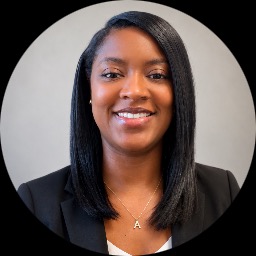
South Carolina · 6 yrs exp
LISW-CP in South Carolina - communication and emotion
Stress, Anxiety · Grief · Anger · Self esteem · +1 more
Read profile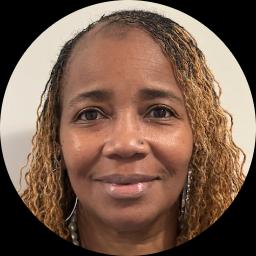
South Carolina · 20 yrs exp
Licensed Professional Counselor - Relationships and anxiety
Stress, Anxiety · Relationship · Trauma and abuse · Depression · +1 more
Read profile
South Carolina · 14 yrs exp
Licensed social worker - Relationships and parenting
Stress, Anxiety · Relationship · Parenting · Depression · +1 more
Read profile
South Carolina · 26 yrs exp
Licensed counselor - Stress and communication
Stress, Anxiety · Grief · Anger · Depression · +1 more
Read profile
South Carolina · 5 yrs exp
Licensed counselor - Relationships and Anxiety
Stress, Anxiety · Relationship · Trauma and abuse · Parenting · +1 more
Read profile
South Carolina · 5 yrs exp
Licensed Professional Counselor - Stress and Communication
Stress, Anxiety · Self esteem · Depression · Coping with life changes · +9 more
Read profile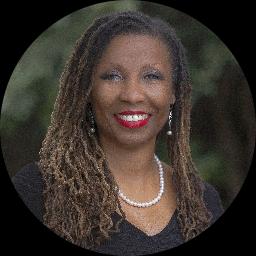
South Carolina · 5 yrs exp
Licensed Professional Counselor - Stress and Communication
Stress, Anxiety · Addictions · Self esteem · Depression · +1 more
Read profile
South Carolina · 10 yrs exp
Licensed Professional Counselor - Communication and Motivation
Stress, Anxiety · Addictions · Trauma and abuse · Self esteem · +1 more
Read profile
South Carolina · 24 yrs exp
Licensed Independent Social Worker - Stress and communication
Stress, Anxiety · Grief · Self esteem · Depression · +1 more
Read profile
South Carolina · 3 yrs exp
Licensed Professional Counselor - Relationships and Anxiety
Stress, Anxiety · Relationship · Trauma and abuse · Self esteem · +1 more
Read profile
South Carolina · 10 yrs exp
LPCC and LPC - Communication and Mood Concerns
Stress, Anxiety · Relationship · Anger · Depression · +1 more
Read profile
South Carolina · 36 yrs exp
LISW-CP in South Carolina - Communication and mood concerns
Stress, Anxiety · Addictions · Family · Trauma and abuse · +3 more
Read profile
South Carolina · 10 yrs exp
Licensed Professional Counselor - Stress and Communication
Stress, Anxiety · Addictions · Grief · Depression
Read profile
South Carolina · 5 yrs exp
LCSW and LISW-CP - Relationships and Anxiety
Stress, Anxiety · Relationship · Trauma and abuse · Anger · +1 more
Read profile
South Carolina · 4 yrs exp
Licensed counselor - Relationships and parenting
Stress, Anxiety · Relationship · Family · Parenting · +1 more
Read profile
South Carolina · 7 yrs exp
Licensed Professional Counselor - Stress and Communication
Stress, Anxiety · Grief · Self esteem · Depression · +1 more
Read profile
South Carolina · 5 yrs exp
LISW-CP - Stress and family concerns
Stress, Anxiety · Family · Trauma and abuse · Self esteem · +1 more
Read profileOnline therapy has become an integral option for many people in South Carolina. You can connect with licensed counselors from across the state from the comfort of your home, a workplace break, or another convenient location. State licensure governs who may provide clinical services, and many licensed professionals offer remote sessions as part of their practice. When you search listings, you will notice that some therapists describe a range of therapeutic approaches and population focuses. That information helps you learn whether a therapist's experience and preferred methods match the concerns you want to address.
Regulatory frameworks govern telehealth practice and vary by state, so therapists who provide online sessions do so under the scope of their South Carolina credentials. The practical upshot for you is broader access to counseling options beyond what may be available locally, especially if you live in a rural area or have transportation or scheduling constraints. At the same time, you should expect to see differences in how therapists describe their approaches - some will list cognitive-behavioral methods, others will note relational or somatic approaches, and some will list modalities such as EMDR among their approaches. Those listings indicate what a therapist uses in practice, not an assertion about certification or outcomes.
Online therapy can make it easier for you to receive support without the need to travel long distances. South Carolina includes both urban centers and rural counties, and remote sessions reduce commute time and allow more flexible scheduling around work, school, or family responsibilities. You may find it simpler to maintain regular appointments when you do not need to factor in driving time or traffic. That logistical convenience often helps people stay engaged with the work of therapy over weeks or months.
In addition to convenience, online therapy expands the pool of therapists you can consider. If you have a preference for a counselor with experience in specific life stages, cultural backgrounds, or language skills, remote work increases the likelihood you will find someone who fits those criteria. You can also select a therapist based on their described approaches and areas of focus - for example, therapists who list trauma-informed methods or couples work among their approaches. As you evaluate options, consider how session structure, communication preferences, and fee arrangements align with your needs. Many therapists describe whether they accept insurance or offer self-pay options, which can help you plan financially for care.
When people seek online counseling in South Carolina, they often bring concerns such as anxiety, depression, stress related to work or caregiving, grief, and relationship challenges. Therapists also frequently support clients through life transitions like relocation, career change, parenting adjustments, and retirement planning. You may find counselors who focus on issues specific to certain communities - for example, support for military families, LGBTQ+ affirmation, adolescent concerns, or care for older adults.
Therapists list a variety of approaches they use to address these issues, ranging from evidence-informed strategies to relational and experiential methods. That means you can look for a professional whose approach aligns with how you prefer to work - whether you want practical coping strategies, deeper exploration of patterns, or relational and family-focused sessions. If you are managing ongoing stressors such as workplace burnout, chronic health-related adjustments, or caregiving strain, remote counseling can provide a consistent forum to develop coping skills and practical plans. When trauma-related issues are a primary concern, many therapists will indicate trauma-focused work among their approaches rather than making claims about specialized certifications.
Verifying a therapist's license is an important step in your search. Start by noting the professional designation listed in a profile - typical titles include licensed professional counselor, licensed clinical social worker, licensed psychologist, or licensed marriage and family therapist. Each designation reflects different training pathways and scopes of practice. To confirm a license, use the South Carolina licensing board's online license lookup. You can search by name or license number to verify that the license is active and to review any public discipline or restrictions. This public record helps you confirm that the person you are considering is authorized to practice under state law.
When you review a license record, pay attention to the license type and its status, the date of issuance and renewal, and any public notices on file. If you have questions about what you find, the licensing board typically provides contact information for further inquiries. Verifying licensure does not replace personal judgment about fit, but it does confirm that the therapist meets the state-defined qualifications for clinical practice. If a therapist lists particular approaches or population specialties, remember that those are self-reported descriptors, and the license lookup will not verify specific modality training.
To get started, clarify what you hope to accomplish in therapy. Having a few goals in mind will help you evaluate whether a prospective therapist's experience and approach align with your needs. When you review profiles, take note of how therapists describe their work with specific issues and populations. Many profiles include information about populations served, languages spoken, session format, and general approach. Use that information to create a short list of professionals whose descriptions resonate with you.
Before scheduling an initial conversation, think about practical questions to ask a therapist: how they structure sessions, what a typical session looks like, how progress is measured, what tools they use for remote work, and how they handle cancellations and fees. If you rely on insurance, ask whether the therapist will provide a receipt or billing code for reimbursement. You should also feel free to ask about experience with the concerns you are bringing, and whether they regularly work with people in similar situations. When a therapist lists certain approaches among their methods, you can ask how they integrate those approaches into treatment without assuming formal certification.
Choose a setting where you can speak freely and feel comfortable. That might be a quiet room at home, a parked car between errands, or another personal environment where interruptions are unlikely. Test your device and internet connection before a first appointment and make a backup plan for connectivity issues, such as a phone call alternative. Also identify local resources in South Carolina for urgent situations - remote therapy providers will typically ask for an emergency contact or the name of a local hospital for crisis planning. These steps help you get the most from remote sessions and reduce stress around the logistics of attending.
Finally, trust your instincts about fit. It's normal for the therapeutic relationship to take a few sessions to settle. If you feel that a therapist's approach, communication style, or focus does not match your needs, you can continue searching until you find a better fit. Use the directory to compare credentials, approaches, languages, and areas of focus so that you can choose a licensed online therapist who aligns with your goals and preferences in South Carolina.
Addictions
1058 therapists
ADHD
681 therapists
Anger
1226 therapists
Control Issues
1585 therapists
Depression
3298 therapists
Grief
1679 therapists
Guilt and Shame
2924 therapists
Impulsivity
1237 therapists
Isolation / Loneliness
2725 therapists
Midlife Crisis
1056 therapists
Mood Disorders
1927 therapists
Panic Disorder and Panic Attacks
1571 therapists
Post-Traumatic Stress
2261 therapists
Self Esteem
2516 therapists
Social Anxiety and Phobia
2387 therapists
Stress & Anxiety
4021 therapists
Trauma and Abuse
2425 therapists
Abandonment
1410 therapists
Attachment Issues
1760 therapists
Blended Family Issues
909 therapists
Body Image
988 therapists
Caregiver Issues and Stress
1795 therapists
Codependency
1050 therapists
Commitment Issues
730 therapists
Coping with Life Changes
2502 therapists
Divorce
1933 therapists
Family
1717 therapists
Family of Origin Issues
890 therapists
Forgiveness
2622 therapists
Infidelity
749 therapists
Life Purpose
2957 therapists
Parenting
1224 therapists
Relationship
2728 therapists
Self-Love
3182 therapists
Sexuality
738 therapists
Workplace Issues
1639 therapists