
Sharon Calhoun
LMSWMichigan · 35 yrs exp
LMSW - Stress and relationship concerns
Stress, Anxiety · Addictions · Trauma and abuse · Self esteem · +3 more
Read profileTherapist listings come from BetterHelp. We will earn a commission at no extra cost to you if you use our links to buy.
This category highlights therapists who focus on control issues, including patterns that affect relationships, work, and day-to-day decision-making. Browse the listings below to review approaches, credentials, languages, and areas of focus to help you find counselors to explore next steps.
Michigan · 35 yrs exp
LMSW - Stress and relationship concerns
Stress, Anxiety · Addictions · Trauma and abuse · Self esteem · +3 more
Read profile
Florida · 4 yrs exp
Florida LMHC - Stress and Relationship concerns
Stress, Anxiety · Relationship · Self esteem · Depression · +1 more
Read profile
Georgia · 20 yrs exp
Licensed Professional Counselor - Anxiety and Relationships
Stress, Anxiety · Relationship · Trauma and abuse · Self esteem · +1 more
Read profile
Kentucky · 20 yrs exp
LCSW - Anxiety and Relationship concerns
Stress, Anxiety · Relationship · Trauma and abuse · Depression · +1 more
Read profile
New Jersey · 38 yrs exp
Licensed Professional Counselor - Communication and Mood
Stress, Anxiety · Addictions · Relationship · Trauma and abuse · +14 more
Read profile
Texas · 5 yrs exp
Licensed Professional Counselor - Stress and Communication
Stress, Anxiety · Trauma and abuse · Grief · Depression · +1 more
Read profile
Oklahoma · 26 yrs exp
Oklahoma LPC - anxiety and trauma focus
Stress, Anxiety · Addictions · Trauma and abuse · Bipolar · +1 more
Read profile
Pennsylvania · 7 yrs exp
LCSW - Communication and Relationship Concerns
Stress, Anxiety · Family · Trauma and abuse · Depression · +1 more
Read profile
Florida · 6 yrs exp
LMHC in Florida - Communication and Life Changes
Stress, Anxiety · Parenting · Self esteem · Depression · +1 more
Read profile
Vermont · 40 yrs exp
LCMHC and LPC - Stress and relationship concerns
Stress, Anxiety · Relationship · Anger · Self esteem · +1 more
Read profile
Arizona · 10 yrs exp
LPC in Arizona - Stress and Communication
Stress, Anxiety · Sleeping · Self esteem · Depression · +1 more
Read profile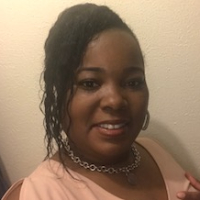
Louisiana · 10 yrs exp
Licensed Professional Counselor - Communication and Relationships
Stress, Anxiety · Trauma and abuse · Anger · Self esteem · +8 more
Read profile
Missouri · 24 yrs exp
LCSW - Stress and communication support
Stress, Anxiety · LGBT · Trauma and abuse · Grief
Read profile
Alabama · 14 yrs exp
Alabama LPC - relationship and family concerns
Relationship · Family · Anger · Self esteem · +1 more
Read profile
Minnesota · 10 yrs exp
LICSW - Bipolar and ADHD care
Bipolar · ADHD
Read profile
Missouri · 18 yrs exp
LPC in Missouri - Stress and Anxiety
Stress, Anxiety · Grief · Self esteem · Coping with life changes · +1 more
Read profile
Texas · 3 yrs exp
Licensed Professional Counselor - Stress and Communication
Stress, Anxiety · Trauma and abuse · Grief · Depression · +1 more
Read profile
Georgia · 7 yrs exp
LICSW LCSW - Stress and communication
Stress, Anxiety · Trauma and abuse · Self esteem · Depression · +10 more
Read profile
Texas · 8 yrs exp
Licensed Professional Counselor - Relationships and Anxiety
Stress, Anxiety · Relationship · Trauma and abuse · Self esteem · +1 more
Read profile
Michigan · 8 yrs exp
LMSW - stress and relationship concerns
Stress, Anxiety · Relationship · Anger · Self esteem · +4 more
Read profile
Missouri · 4 yrs exp
Licensed Professional Counselor - Stress and Anxiety
Stress, Anxiety · Addictions · Trauma and abuse · Depression · +16 more
Read profile
Texas · 3 yrs exp
LPC in Texas - relationships and stress
Relationship · Stress, Anxiety · Family · Grief · +4 more
Read profile
Texas · 5 yrs exp
Licensed Clinical Social Worker - Stress and Relationships
Stress, Anxiety · Relationship · Depression · Coping with life changes · +1 more
Read profile
Texas · 8 yrs exp
Licensed Professional Counselor - Relationships and Stress
Stress, Anxiety · Relationship · Trauma and abuse · Bipolar · +1 more
Read profileControl issues refer to patterns where you may feel a strong need to manage outcomes, people, or your environment in order to feel comfortable. That need can show up in many ways - insistence on rigid routines, difficulty delegating tasks, intense anxiety when plans change, or efforts to direct others' choices. For some people control strategies are a learned response to uncertainty or past experiences where unpredictability felt overwhelming. For others the behavior grows out of personality traits, stress, or relationship dynamics that reward overplanning and micromanaging.
When control becomes a dominant way of coping it can influence work, friendships, romantic relationships, and family life. You may notice frequent conflicts with partners or coworkers when choices are disputed. You might sacrifice spontaneity and enjoyment because you are preoccupied with making things go a certain way. Over time this pattern can reduce intimacy, create resentment, and increase pressure on both you and the people around you. Recognizing these effects is the first step toward making deliberate changes that improve how you communicate and how you relate to uncertainty.
You may benefit from therapy if you feel exhausted from trying to manage everything or if relationships are strained by your efforts to direct outcomes. Recurrent feelings of anger, frustration, or panic when plans shift are signals that your current strategies are causing distress. You might find yourself apologizing often, resenting others who seem more relaxed, or noticing that people avoid asking for your input because it becomes a source of conflict. Those patterns suggest there are underlying beliefs about safety, responsibility, or predictability that therapy can help you explore.
Therapy can also be helpful if you recognize that controlling behaviors are interfering with goals you value - for example, advancing a career that requires collaboration, strengthening a relationship that needs flexibility, or learning to tolerate uncertainty without escalating anxiety. If you want to change but feel stuck, a therapist can support you in identifying the motivations behind control and in building alternatives that reduce stress while preserving the things you care about.
In the first few sessions you and a therapist will typically talk about where control shows up for you, what you hope to change, and how your patterns developed. Expect a conversational assessment that explores your history, relationships, and reactions to stress. Together you will identify practical, realistic goals - for example improving communication with a partner, reducing anxiety about uncertainty, or learning to share responsibilities at work. These early steps help you and the therapist agree on a direction and on measures of progress.
Therapy for control issues often combines insight with practice. You will examine the thoughts and beliefs that drive controlling behaviors, and you will try new ways of responding in real-life situations. That might include experimenting with small acts of letting go, rehearsing more collaborative language, or practicing tolerating uncertainty in controlled ways. Therapy sessions are a place to reflect on those experiments, troubleshoot challenges, and gradually expand your comfort with different responses. Change is typically incremental, and the therapeutic relationship itself can model more flexible patterns of interaction.
Some therapists draw on psychodynamic or relational approaches to look at how early attachment experiences and family roles shaped your need for control. That work explores patterns that repeat across relationships and helps you understand the emotional needs behind managing situations. By increasing awareness of those dynamics you can begin to choose different responses that are more aligned with your current goals and relationships.
Other therapists focus on cognitive-behavioral strategies that address the thoughts and habits that maintain control behaviors. That can include identifying automatic beliefs about responsibility and threat, testing those beliefs through behavioral experiments, and building new skills for emotion regulation and problem solving. You may encounter techniques that help you tolerate uncertainty step by step, reduce catastrophic thinking, and practice more collaborative communication.
Because control often involves strong physical responses - muscle tension, restlessness, or sleep disruption - some therapists integrate experiential methods that help you become aware of bodily signals and learn calmer ways of responding. Therapists who list EMDR among their approaches may use that method to address distress linked to specific memories, and others may use somatic tools to teach grounding and pacing. Remember that listings indicate an approach a therapist uses, not evidence of particular credentials, so you may want to ask about how an approach is applied in practice.
Online therapy for control issues typically takes place via video or phone sessions and follows a similar rhythm to in-person work. You can expect focused conversations, reflection, and assignments to practice between sessions. Many people find online sessions make it easier to integrate practice into daily life because you can test new ways of responding in your real environment and then discuss results with your therapist soon after. If you prefer a combination of chat, email, or brief check-ins, some therapists mention these formats in their profiles as part of their approach.
When you work online you may want to set up a comfortable environment where you can speak freely and be present. That might mean choosing a quiet room, using headphones for better audio, and signaling to household members that you need uninterrupted time. If you require a more personal setting for sensitive conversations you can discuss options with a therapist before starting sessions. Good preparation can help make remote sessions as effective as face-to-face work for exploring control issues.
When searching for a therapist consider whether their listed focus areas align with what you need - for example relationship dynamics, anxiety, perfectionism, or family-of-origin work. Pay attention to the approaches they list and imagine how those methods might fit your style. Some people prefer insight-oriented work that explores origins, while others want skills-based strategies with clear exercises to practice. Look for descriptions that resonate with how you like to learn and change.
Read therapist profiles to compare credentials, clinical interests, languages spoken, and stated populations of focus such as adults, couples, or families. You may prioritize a therapist who mentions experience with specific relationship issues or workplace stress. Consider reaching out to ask about their typical initial session, how they structure goals, and how they measure progress. Those conversations can give you a sense of rapport and whether their approach feels like a collaborative fit. Over time you can adjust course with a different clinician if your needs or preferences change.
Working on control issues is often a process of small steps and repeated practice. You may find relief in reducing conflict, improving communication, and gaining more freedom to choose where to focus effort. A thoughtful match with a therapist who understands both the emotional drivers and the practical skills involved can help you move toward a life with more balance and more ease in relationships and daily decisions.
Alabama
72 therapists
Alaska
9 therapists
Arizona
66 therapists
Arkansas
31 therapists
California
569 therapists
Colorado
95 therapists
Connecticut
49 therapists
Delaware
15 therapists
District of Columbia
11 therapists
Florida
454 therapists
Georgia
134 therapists
Hawaii
17 therapists
Idaho
30 therapists
Illinois
169 therapists
Indiana
79 therapists
Iowa
21 therapists
Kansas
35 therapists
Kentucky
59 therapists
Louisiana
98 therapists
Maine
20 therapists
Maryland
99 therapists
Massachusetts
58 therapists
Michigan
129 therapists
Minnesota
42 therapists
Mississippi
46 therapists
Missouri
97 therapists
Montana
26 therapists
Nebraska
17 therapists
Nevada
31 therapists
New Hampshire
7 therapists
New Jersey
88 therapists
New Mexico
17 therapists
New York
256 therapists
North Carolina
164 therapists
North Dakota
6 therapists
Ohio
110 therapists
Oklahoma
74 therapists
Oregon
32 therapists
Pennsylvania
155 therapists
Rhode Island
5 therapists
South Carolina
94 therapists
South Dakota
11 therapists
Tennessee
75 therapists
Texas
477 therapists
Utah
41 therapists
Vermont
12 therapists
Virginia
103 therapists
Washington
67 therapists
West Virginia
11 therapists
Wisconsin
70 therapists
Wyoming
9 therapists