- CBT strategies
- Attachment-based work
- Motivational interviewing
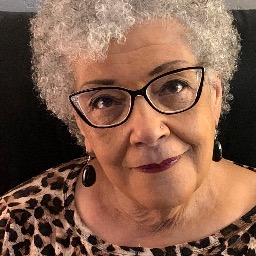
About Sharon
Sharon Calhoun is an LMSW - Licensed Master Social Worker based in Michigan with 35 years of practice. She focuses on stress, anxiety, addictions, trauma and abuse, depression, relationship strain, anger, and related concerns such as communication problems and attachment issues.
She works with individuals who are coping with big life changes, painful memories, or ongoing conflict. Sessions are practical and direct. Sharon helps people name what is happening, notice patterns, and try new ways of talking and acting that can reduce tension.
Her background spans decades of clinical work in community settings and with adults at different life stages. That experience informs a straightforward approach to common problems like low self-esteem, codependency, and family-of-origin issues. She uses methods that focus on current challenges and on how personal history shapes present responses.
In the room she combines techniques from attachment-based work, cognitive behavioral methods, and solution-focused strategies. That mix supports clients who want concrete tools for changing thoughts, testing new behaviors, and repairing strained relationships. Motivational interviewing also appears when substance use or ambivalence about change is present.
Sharon aims to help clients practice clearer communication, set boundaries, and manage strong emotions. Her work emphasizes small, doable steps rather than abstract theory. If you want to explore whether her approach fits, follow the site steps to match and schedule a first session.
How her approaches translate to online work
Attachment-based work looks at how past relationships shape current reactions. It helps people notice patterns in closeness, trust, and communication and try different responses in relationships. Cognitive Behavioral Therapy (CBT) focuses on the link between thoughts, feelings, and actions. It gives concrete exercises to test unhelpful beliefs and practice new behaviors that reduce anxiety or low mood. Motivational Interviewing helps people who feel unsure about change by clarifying values and building small steps toward goals.Choosing an approach is a collaborative process. The therapist will talk with the client about goals, testing what helps, and adjusting methods as needed. That means trying techniques in session, then checking what worked and changing course when something does not fit.
Session formats are not specified in the biography, so confirm current online options before booking. Online sessions can make it easier to fit meetings into a workday, allow shorter check-ins when needed, and let people use audio-only when bandwidth or screen time is limited. The focus stays on usable tools for communication, emotion regulation, and decision-making rather than on a single method.
Areas of expertise
Also works with
Additional focus areas
Therapeutic approaches
Experience
35+ years
Credentials
Michigan
Languages
English
Frequently asked questions
What kinds of problems does she focus on?
She focuses on stress, anxiety, addictions, trauma and abuse, self-esteem, depression, relationship strain, anger, and related areas such as communication problems and attachment issues.
What is her therapeutic style?
The approach is practical and collaborative, using clear techniques to change thought and behavior patterns and improve communication.
How much experience does she have?
She has 35 years of professional experience working with adults in Michigan and brings that background to current sessions.
What are her credentials and where is she based?
She holds an LMSW - Licensed Master Social Worker and practices in Michigan.
Which languages are supported?
Sessions are offered in English.
Can international clients work with her?
International clients are not currently accepted.
How are sessions paid for?
Cost varies with location; sessions use a subscription that can be canceled at any time.
How do I begin a first session?
Select the See online therapy options button, complete a short matching questionnaire, and schedule a first session.
Online talk therapy is not emergency care, and no counselor can promise how a conversation or a relationship will turn out. If you feel unsafe, call or text 988, or call 911. Crisis information