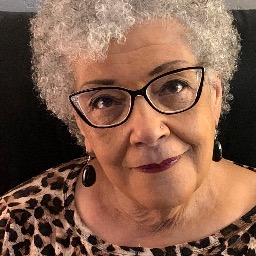
Sharon Calhoun
LMSWMichigan · 35 yrs exp
LMSW - Stress and relationship concerns
Stress, Anxiety · Addictions · Trauma and abuse · Self esteem · +3 more
Read profileTherapist listings come from BetterHelp. We will earn a commission at no extra cost to you if you use our links to buy.
This page features therapists who list forgiveness as a focus among their approaches. You can explore profiles to learn how different counselors describe their work with hurt, reconciliation, and personal healing. Browse the listings below to find practitioners whose approaches and experience align with what you want.
Michigan · 35 yrs exp
LMSW - Stress and relationship concerns
Stress, Anxiety · Addictions · Trauma and abuse · Self esteem · +3 more
Read profile
Texas · 3 yrs exp
LPC in Texas - Relationships and Stress
Stress, Anxiety · Relationship · Family · Parenting · +1 more
Read profile
Florida · 20 yrs exp
Florida LMFT - Relationships and Communication
Stress, Anxiety · Relationship · Family · Trauma and abuse · +11 more
Read profile
Kentucky · 8 yrs exp
LPCC in Kentucky - Stress and Communication
Stress, Anxiety · Addictions · Trauma and abuse · Grief · +1 more
Read profile
Florida · 4 yrs exp
Florida LMHC - Stress and Relationship concerns
Stress, Anxiety · Relationship · Self esteem · Depression · +1 more
Read profile
Nevada · 18 yrs exp
Licensed Professional Counselor - Relationships and Anxiety
Stress, Anxiety · Relationship · Family · Parenting · +1 more
Read profile
Georgia · 20 yrs exp
Licensed Professional Counselor - Anxiety and Relationships
Stress, Anxiety · Relationship · Trauma and abuse · Self esteem · +1 more
Read profile
Michigan · 20 yrs exp
LMSW in Michigan - Communication and Life Transitions
Stress, Anxiety · Trauma and abuse · Grief · Depression · +1 more
Read profile
Kentucky · 20 yrs exp
LCSW - Anxiety and Relationship concerns
Stress, Anxiety · Relationship · Trauma and abuse · Depression · +1 more
Read profile
New Jersey · 38 yrs exp
Licensed Professional Counselor - Communication and Mood
Stress, Anxiety · Addictions · Relationship · Trauma and abuse · +14 more
Read profile
Texas · 5 yrs exp
Licensed Professional Counselor - Stress and Communication
Stress, Anxiety · Trauma and abuse · Grief · Depression · +1 more
Read profile
Kentucky · 23 yrs exp
Licensed Clinical Social Worker - Stress and Parenting
Stress, Anxiety · Parenting · Self esteem · Depression · +1 more
Read profile
Pennsylvania · 7 yrs exp
LCSW - Communication and Relationship Concerns
Stress, Anxiety · Family · Trauma and abuse · Depression · +1 more
Read profile
Delaware · 3 yrs exp
Licensed Professional Counselor-MH - Relationships and Anxiety
Stress, Anxiety · Relationship · Trauma and abuse · Self esteem · +1 more
Read profile
Florida · 6 yrs exp
LMHC in Florida - Communication and Life Changes
Stress, Anxiety · Parenting · Self esteem · Depression · +1 more
Read profile
North Carolina · 3 yrs exp
LMFT - Relationships and Anxiety
Stress, Anxiety · Relationship · Family · Intimacy-related issues · +1 more
Read profile
Arizona · 10 yrs exp
LPC in Arizona - Stress and Communication
Stress, Anxiety · Sleeping · Self esteem · Depression · +1 more
Read profile
Louisiana · 10 yrs exp
Licensed Professional Counselor - Communication and Relationships
Stress, Anxiety · Trauma and abuse · Anger · Self esteem · +8 more
Read profile
Texas · 3 yrs exp
Licensed Professional Counselor - Communication problems, Anxiety
Stress, Anxiety · Addictions · Trauma and abuse · Grief · +1 more
Read profile
Missouri · 24 yrs exp
LCSW - Stress and communication support
Stress, Anxiety · LGBT · Trauma and abuse · Grief
Read profile
Alabama · 14 yrs exp
Alabama LPC - relationship and family concerns
Relationship · Family · Anger · Self esteem · +1 more
Read profile
Minnesota · 10 yrs exp
LICSW - Bipolar and ADHD care
Bipolar · ADHD
Read profile
Missouri · 18 yrs exp
LPC in Missouri - Stress and Anxiety
Stress, Anxiety · Grief · Self esteem · Coping with life changes · +1 more
Read profile
Texas · 14 yrs exp
Licensed counselor - Relationships and trauma
Stress, Anxiety · Relationship · Trauma and abuse · Anger · +1 more
Read profileForgiveness is often described in everyday language as letting go of resentment or deciding not to seek revenge. In a personal context it can mean shifting how you relate to a past hurt, changing the story you tell yourself, or deciding how much you will let an offense shape your future choices. Forgiveness does not necessarily mean forgetting, excusing wrongdoing, or restoring a relationship to what it was. For many people it is an internal process that affects emotions, behavior, and how you make sense of an experience.
When you are carrying an old hurt you may notice it shaping your reactions, your trust in others, or your ability to move forward. Forgiveness can alter those patterns by creating space for new responses - that might mean reduced bitterness, clearer boundaries, or a renewed sense of agency. At the same time, forgiveness can be complicated. Cultural background, religious beliefs, and the nature of the harm all influence how you view forgiveness and whether it feels like the right step for you. Therapy can help you sort through these factors and decide what forgiveness would look like in your life.
You might consider seeking a therapist who works with forgiveness if you find that a past hurt frequently intrudes on your daily life. This can show up as recurring anger, rumination, trouble trusting people, or avoidance of situations that remind you of the harm. Physical symptoms such as sleep disruption, a persistently tense body, or heightened startle responses can also be connected to unresolved emotional injury. If you notice that your relationships - romantic, familial, or professional - are affected by a lingering grievance, that is another common sign that working on forgiveness could help.
Therapy for forgiveness is also appropriate when you are wrestling with a moral or spiritual dilemma about forgiveness. You may be torn between cultural expectations to forgive and your own sense that doing so would betray your feelings. Or you may want to explore reconciliation but are unsure about safety or appropriate boundaries. If you are experiencing guilt, shame, or confusing emotions after an action you regret, a therapist can help you examine responsibility, restitution, and the path forward without rushing you into a particular decision.
When you begin forgiveness-focused work with a therapist, sessions typically start with an exploration of your story and goals. You and the therapist will clarify what forgiveness means to you and whether your aim is emotional relief, restored relationship, or simply a new way of understanding the event. The pace of work is guided by your readiness; some people prefer to process the event in detail, while others start with present-day patterns and safety concerns before revisiting the past.
Therapists often blend in practical exercises with reflective conversation. You may do narrative work where you examine how the hurt became central to your identity, or you may practice techniques for managing intense emotions when memories arise. Role-play and perspective-taking can help you rehearse responses or imagine different outcomes. Homework may include journaling, letter writing that you do not intend to send, or small behavioral experiments to test boundaries or rebuild trust. Throughout, a therapist will aim to help you develop coping strategies and a clearer sense of choice about whether and how to forgive.
There are diverse approaches therapists use when working on forgiveness, and many practitioners combine methods depending on your needs. Some therapists emphasize cognitive-behavioral tools that help you identify and reframe unhelpful beliefs that fuel resentment. Others draw on emotion-focused techniques to process grief, anger, or betrayal in ways that reduce physiological arousal and create room for new meaning.
You may find therapists who list narrative therapy among their approaches, which focuses on the stories you tell about yourself and the event, and on crafting an alternative narrative that highlights resilience. Some practitioners use mindfulness-based practices to help you observe painful thoughts without getting swept away, enabling a gentler relationship with difficult feelings. There are also therapists who list EMDR among their approaches; in those profiles note that the therapist identifies EMDR as part of their approach rather than implying a specific credential. Many approaches share a practical aim - to help you move from being defined by the harm to making intentional choices about relationships, boundaries, and personal healing.
Online therapy for forgiveness generally takes place through video calls, phone conversations, or asynchronous messaging, depending on the therapist's methods. Video sessions allow for face-to-face interaction and visual cues, which many people find helpful when discussing emotionally charged topics. Messaging or email-style exchanges can be useful for reflective work like journaling prompts or for following up between synchronous sessions. When you choose an online therapist, consider how comfortable you are with these formats and whether you prefer live conversation or written reflection as part of your process.
To get the most out of online forgiveness work you should select a personal, comfortable environment where you can speak freely without interruptions. It helps to have a reliable internet connection and, if possible, a device with a camera and headphones for clearer audio. Many people find it valuable to plan for emotional aftercare - for instance, scheduling a relaxing activity after a session or having a trusted friend nearby if you anticipate intense emotions. Safety is important: if the hurt involves ongoing harm or risk, you and your therapist will need to address immediate safety and support options before moving into forgiveness-focused exploration.
Choosing a therapist for forgiveness work is a personal process. Start by looking for profiles that mention forgiveness, reconciliation, trauma recovery, grief, or relationship work, since those are commonly connected to forgiveness issues. Pay attention to the ways therapists describe their approaches and see which explanations resonate with your sense of how you process emotions. If you prefer practical strategies, look for therapists who discuss cognitive or behavioral techniques. If you want meaning-making or narrative exploration, seek those who describe storytelling, values work, or spiritual dimensions in their profiles.
Credentials and professional licenses can give you context about a therapist's background, but they do not guarantee a particular approach or outcome. Languages spoken, years of experience with relevant populations, and stated areas of focus may help you identify someone who understands your cultural or situational context. When you reach out, you can ask about what their forgiveness work typically involves, how they measure progress, and how they handle difficult emotions that arise during sessions. Trust your sense of fit - the right therapist for you is someone whose communication style, values, and approach feel like a workable match.
Working on forgiveness often requires patience and experimentation. You may try a few therapists before finding the right dynamic, and that is a normal part of the process. Whether you choose in-person or online sessions, keep in mind that forgiveness-focused therapy is about helping you reclaim choice and clarity in how you relate to the past, your relationships, and your own future. If you are ready to begin, use the listings above to explore descriptions of therapists who list forgiveness among their approaches and reach out to learn more about their perspective and methods.
Alabama
72 therapists
Alaska
9 therapists
Arizona
66 therapists
Arkansas
31 therapists
California
569 therapists
Colorado
95 therapists
Connecticut
49 therapists
Delaware
15 therapists
District of Columbia
11 therapists
Florida
454 therapists
Georgia
134 therapists
Hawaii
17 therapists
Idaho
30 therapists
Illinois
169 therapists
Indiana
79 therapists
Iowa
21 therapists
Kansas
35 therapists
Kentucky
59 therapists
Louisiana
98 therapists
Maine
20 therapists
Maryland
99 therapists
Massachusetts
58 therapists
Michigan
129 therapists
Minnesota
42 therapists
Mississippi
46 therapists
Missouri
97 therapists
Montana
26 therapists
Nebraska
17 therapists
Nevada
31 therapists
New Hampshire
7 therapists
New Jersey
88 therapists
New Mexico
17 therapists
New York
256 therapists
North Carolina
164 therapists
North Dakota
6 therapists
Ohio
110 therapists
Oklahoma
74 therapists
Oregon
32 therapists
Pennsylvania
155 therapists
Rhode Island
5 therapists
South Carolina
94 therapists
South Dakota
11 therapists
Tennessee
75 therapists
Texas
477 therapists
Utah
41 therapists
Vermont
12 therapists
Virginia
103 therapists
Washington
67 therapists
West Virginia
11 therapists
Wisconsin
70 therapists
Wyoming
9 therapists