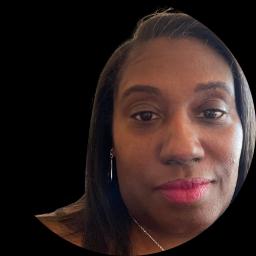
Swiyah Whittington
LPC-MHDelaware · 3 yrs exp
Licensed Professional Counselor-MH - Relationships and Anxiety
Stress, Anxiety · Relationship · Trauma and abuse · Self esteem · +1 more
Read profileTherapist listings come from BetterHelp. We will earn a commission at no extra cost to you if you use our links to buy.
Welcome to our directory of online therapists serving Delaware. All listed therapists are licensed, and the profiles highlight approaches, specialties, languages, and relevant experience.
Delaware · 3 yrs exp
Licensed Professional Counselor-MH - Relationships and Anxiety
Stress, Anxiety · Relationship · Trauma and abuse · Self esteem · +1 more
Read profile
Delaware · 3 yrs exp
Licensed Professional Mental Health Counselor - stress and communication issues
Stress, Anxiety · Trauma and abuse · Self esteem · Depression · +1 more
Read profile
Delaware · 7 yrs exp
Licensed Marriage and Family Therapist - Relationships and Communication
Stress, Anxiety · LGBT · Relationship · Family · +1 more
Read profile
Delaware · 34 yrs exp
Licensed counselor - relationships and mood
Stress, Anxiety · Relationship · Trauma and abuse · Grief · +10 more
Read profile
Delaware · 8 yrs exp
Licensed clinical social worker - communication and anxiety
Stress, Anxiety · Relationship · Family · Self esteem · +1 more
Read profile
Delaware · 13 yrs exp
LCSW - stress and relationship concerns
Stress, Anxiety · Relationship · Trauma and abuse · Self esteem · +1 more
Read profile
Delaware · 6 yrs exp
Licensed Clinical Social Worker - Stress and Relationships
Stress, Anxiety · Relationship · Family · Grief · +1 more
Read profile
Delaware · 15 yrs exp
LPMHC - Relationships and Communication
Stress, Anxiety · Family · Anger · Self esteem · +6 more
Read profile
Delaware · 4 yrs exp
LCSW - Stress and communication support
Stress, Anxiety · Parenting · Self esteem · Depression · +1 more
Read profile
Delaware · 40 yrs exp
LMFT - Stress and Communication
Stress, Anxiety · Addictions · Depression · Coping with life changes · +1 more
Read profile
Delaware · 6 yrs exp
LPMHC in Delaware - Anxiety and Communication
Stress, Anxiety · Relationship · Self esteem · Depression
Read profile
Delaware · 15 yrs exp
LPC and LPMHC - Family and Trauma focus
Family · Trauma and abuse · Parenting · Anger · +1 more
Read profile
Delaware · 6 yrs exp
LCSW - Relationships and Anxiety
Stress, Anxiety · Relationship · Family · Trauma and abuse · +1 more
Read profile
Delaware · 25 yrs exp
LCSW - Stress and relationship concerns
Stress, Anxiety · Addictions · Relationship · Depression · +1 more
Read profile
Delaware · 5 yrs exp
LCSW - Anxiety and Relationship concerns
Stress, Anxiety · Relationship · Trauma and abuse · Self esteem · +1 more
Read profileOver the last several years, online therapy has become an established way to get mental health and relationship support in Delaware. Whether you live in Wilmington, Dover, Newark, or a more rural part of the state, technology makes it possible to connect with a therapist by video or phone without traveling long distances. State rules about licensure govern who may provide ongoing treatment to someone located in Delaware, so many therapists who serve Delaware residents either hold Delaware licensure or follow the requirements set by Delaware licensing bodies.
Online sessions can take different forms, from live video appointments to telephone or message-based check-ins, and different therapists offer different formats. Because the legal and ethical framework for remote care focuses on the location of the client at the time of service, you will commonly find therapists who describe themselves as licensed to practice in Delaware and who list specific ways they work remotely. This directory presents information about each therapist so you can see their stated approaches and specialties.
Online therapy removes many practical barriers that can make in-person care difficult. If you have a demanding work schedule, family responsibilities, or mobility constraints, virtual sessions can fit more easily into a weekday evening or a lunch break without a commute. For people living in areas with fewer local providers, online options expand your choices so you can focus on matching a therapist to your needs rather than choosing only from nearby offices.
Virtual sessions also support continuity of care when you travel within the state or face disruptions to your routine. You can preserve the momentum of therapy if you relocate within Delaware, switch jobs, or encounter temporary barriers to leaving home. Many people find that the convenience of attending from home or another personal location makes it easier to keep regular appointments and to integrate therapeutic work into daily life.
Online therapists in Delaware work with a wide range of concerns and life circumstances. You can find professionals who list experience in addressing anxiety, depression, stress and burnout, and the emotional fallout from medical or life transitions. Relationship and family communication issues are commonly addressed through virtual therapy, including couples work, co-parenting challenges, and helping parents manage the day-to-day demands of raising children while maintaining healthy boundaries.
Many therapists also describe work with people who are coping with grief, trauma-related symptoms, and the long-term effects of chronic stress. If you are processing loss, adjusting to a major life change, or trying to manage symptoms that interfere with daily functioning, online therapy can provide a steady space for reflection and skill building. You will also find therapists who list specific approaches among their methods - for example, therapists who list EMDR among their approaches, or therapists who mention cognitive behavioral approaches - which can help you identify clinicians whose stated style aligns with what you are looking for.
Confirming licensure is an important part of choosing a therapist. Delaware maintains public license lookup tools through the state licensing authority where you can check whether a clinician holds an active license, the type of license they hold, and whether any disciplinary actions are on record. Start by identifying the professional title shown in a therapist's profile - for example licensed professional counselor, licensed clinical social worker, psychologist, or psychiatrist - and use that title when searching the state registry.
When you use a state license lookup, you will typically see the status of the license, the issuing board, and expiration dates. These details help you confirm that a clinician is authorized to practice in Delaware. You can also look for indications of any formal reprimands or board actions listed on a license record. If a therapist lists graduate degrees or additional credentials in their profile, you can ask them directly about how those credentials relate to their practice, but the most reliable public verification will come from the state licensing database.
Beginning online therapy usually starts with a few practical steps. First, review therapist profiles to find clinicians who list specialties and approaches that resonate with your situation. Many profiles include brief biographies, information about the populations the clinician works with, and the types of sessions they offer. Once you find several profiles that seem like a good match, reach out through the contact method provided to ask preliminary questions about their approach, session format, and anything else that matters to you.
Before your first appointment, make a short list of goals or topics you want to address so you can communicate what brought you to therapy. Consider practical matters such as the technology you will use - video platforms, phone calls, or messaging - and check that your internet connection and device support a reliable session. Have a plan for a personal place where you can speak openly without interruptions, and think about whether you want someone to be available for support after a first session if you anticipate strong emotions.
Finding a strong match often depends on a mix of factors that matter to you. Pay attention to the populations and issues a therapist lists in their profile, the approaches they describe, and any language or cultural competencies that are important for your care. If a therapist notes experience working with similar problems or communities, that may help you feel understood and respected. You should also consider logistical elements such as session format, fee structure, and whether the therapist communicates clearly about what to expect in early sessions.
Therapeutic fit is not just about credentials or techniques - it is also about whether you feel heard and understood in early conversations. Trust how you feel after an initial contact or consultation, because rapport and mutual respect shape the work you will do together. At the same time, practical fit matters. Think about scheduling rhythms that align with your life, payment options that work with your budget, and whether the therapist's stated approach matches the kind of change you hope to make. Asking a few focused questions up front can help you assess both the personal and practical dimensions of fit.
As you explore online therapy options in Delaware, remember that you have choices and that taking the first step toward finding the right clinician is a meaningful part of the process. Use the profile details here to guide your outreach, verify licensure through the state resources, and prepare for an initial conversation that clarifies goals and next steps. With careful selection and clear communication, online therapy can be a flexible way to get support that fits your life in Delaware.
Addictions
1058 therapists
ADHD
681 therapists
Anger
1226 therapists
Control Issues
1585 therapists
Depression
3298 therapists
Grief
1679 therapists
Guilt and Shame
2924 therapists
Impulsivity
1237 therapists
Isolation / Loneliness
2725 therapists
Midlife Crisis
1056 therapists
Mood Disorders
1927 therapists
Panic Disorder and Panic Attacks
1571 therapists
Post-Traumatic Stress
2261 therapists
Self Esteem
2516 therapists
Social Anxiety and Phobia
2387 therapists
Stress & Anxiety
4021 therapists
Trauma and Abuse
2425 therapists
Abandonment
1410 therapists
Attachment Issues
1760 therapists
Blended Family Issues
909 therapists
Body Image
988 therapists
Caregiver Issues and Stress
1795 therapists
Codependency
1050 therapists
Commitment Issues
730 therapists
Coping with Life Changes
2502 therapists
Divorce
1933 therapists
Family
1717 therapists
Family of Origin Issues
890 therapists
Forgiveness
2622 therapists
Infidelity
749 therapists
Life Purpose
2957 therapists
Parenting
1224 therapists
Relationship
2728 therapists
Self-Love
3182 therapists
Sexuality
738 therapists
Workplace Issues
1639 therapists