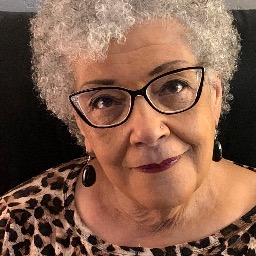
Sharon Calhoun
LMSWMichigan · 35 yrs exp
LMSW - Stress and relationship concerns
Stress, Anxiety · Addictions · Trauma and abuse · Self esteem · +3 more
Read profileTherapist listings come from BetterHelp. We will earn a commission at no extra cost to you if you use our links to buy.
On this page you can browse profiles of therapists who focus on infidelity and relationship betrayal. Use the listings below to review counselors' focus areas, approaches, languages, and experience as you consider next steps.
Michigan · 35 yrs exp
LMSW - Stress and relationship concerns
Stress, Anxiety · Addictions · Trauma and abuse · Self esteem · +3 more
Read profile
Florida · 20 yrs exp
Florida LMFT - Relationships and Communication
Stress, Anxiety · Relationship · Family · Trauma and abuse · +11 more
Read profile
Florida · 20 yrs exp
Florida LMFT - Relationships and Anxiety
Stress, Anxiety · Relationship · Family · Self esteem · +1 more
Read profile
Nevada · 18 yrs exp
Licensed Professional Counselor - Relationships and Anxiety
Stress, Anxiety · Relationship · Family · Parenting · +1 more
Read profile
Kentucky · 20 yrs exp
LCSW - Anxiety and Relationship concerns
Stress, Anxiety · Relationship · Trauma and abuse · Depression · +1 more
Read profile
Texas · 5 yrs exp
Licensed Professional Counselor - Stress and Communication
Stress, Anxiety · Trauma and abuse · Grief · Depression · +1 more
Read profile
Arizona · 10 yrs exp
LPC in Arizona - Stress and Communication
Stress, Anxiety · Sleeping · Self esteem · Depression · +1 more
Read profile
Louisiana · 10 yrs exp
Licensed Professional Counselor - Communication and Relationships
Stress, Anxiety · Trauma and abuse · Anger · Self esteem · +8 more
Read profile
Missouri · 18 yrs exp
LPC in Missouri - Stress and Anxiety
Stress, Anxiety · Grief · Self esteem · Coping with life changes · +1 more
Read profile
Georgia · 7 yrs exp
LICSW LCSW - Stress and communication
Stress, Anxiety · Trauma and abuse · Self esteem · Depression · +10 more
Read profile
Texas · 8 yrs exp
Licensed Professional Counselor - Relationships and Anxiety
Stress, Anxiety · Relationship · Trauma and abuse · Self esteem · +1 more
Read profile
Michigan · 8 yrs exp
LMSW - stress and relationship concerns
Stress, Anxiety · Relationship · Anger · Self esteem · +4 more
Read profile
Texas · 3 yrs exp
LPC in Texas - relationships and stress
Relationship · Stress, Anxiety · Family · Grief · +4 more
Read profile
Texas · 5 yrs exp
Licensed Clinical Social Worker - Stress and Relationships
Stress, Anxiety · Relationship · Depression · Coping with life changes · +1 more
Read profile
New York · 6 yrs exp
LMHC in New York - Relationships and Communication
Stress, Anxiety · Self esteem · Depression · Coping with life changes · +2 more
Read profile
Alabama · 7 yrs exp
Licensed Professional Counselor - Communication and Trauma
Stress, Anxiety · Family · Trauma and abuse · Anger · +1 more
Read profile
South Carolina · 8 yrs exp
LISW-CP - trauma and relationship concerns
Stress, Anxiety · Relationship · Trauma and abuse · Self esteem · +1 more
Read profile
Nevada · 5 yrs exp
LCSW - trauma and mood concerns
Stress, Anxiety · Trauma and abuse · Grief · Anger · +1 more
Read profile
Florida · 13 yrs exp
LCSW - Relationships and Anxiety
Stress, Anxiety · Relationship · Family · Self esteem · +1 more
Read profile
Texas · 30 yrs exp
Licensed Professional Counselor - Relationships and Trauma
Stress, Anxiety · Relationship · Trauma and abuse · Grief · +1 more
Read profile
Texas · 19 yrs exp
Licensed Professional Counselor - Relationships and Communication
Relationship · Trauma and abuse · Grief · Depression · +11 more
Read profile
Kentucky · 26 yrs exp
LCSW - Stress and relationship concerns
Stress, Anxiety · Addictions · Relationship · Trauma and abuse · +1 more
Read profile
Maryland · 28 yrs exp
LSCSW - Stress and relationships
Stress, Anxiety · LGBT · Relationship · Depression · +1 more
Read profile
Louisiana · 6 yrs exp
Licensed counselor - relationships and family
Relationship · Family · Self esteem · Depression · +1 more
Read profileInfidelity describes a breach of agreed-upon boundaries in a relationship that one or more partners experience as betrayal. It can include sexual or emotional contact outside the relationship, secret online activity, ongoing flirtations, or other behaviors that violate trust. What feels like infidelity in one relationship may look different in another, because partners often have different expectations about intimacy, fidelity, and honesty. You do not need to agree on a label for the experience to recognize that the event matters and that it is affecting your life.
The emotional impact of infidelity can be intense and wide-ranging. You may experience shock, grief, anger, humiliation, anxiety, or a loss of identity. Sleep and appetite can change, and daily routines may feel disrupted. If you are part of a couple, the betrayed partner and the partner who breached the agreement can both experience distress, but in different ways. The betrayed partner may wrestle with questions about worth and trust, while the partner who was unfaithful may face guilt, shame, and fear about the relationship's future. Even when both partners want to repair the relationship, the process often involves confronting painful truths and learning new patterns of communication.
You might consider therapy when the emotional fallout from infidelity interferes with daily functioning, decision-making, or your ability to connect with others. If you notice persistent intrusive thoughts, overwhelming sadness, or repeated arguments that circle back to the betrayal, therapy can help you navigate those feelings and develop coping strategies. You may also turn to therapy if you are uncertain about what you want - whether to end the relationship, attempt reconciliation, or redefine the partnership. A neutral professional can provide a structured environment to explore those options without pressure.
Other indicators that therapy could be helpful include difficulty reestablishing physical or emotional intimacy, ongoing suspicion or checking behaviors, or struggles to set boundaries and communicate needs. Therapy can also be useful if you see patterns from past relationships repeating, or if the betrayal triggered unresolved wounds from childhood or prior losses. Whether you are seeking individual support, couples work, or a combination, reaching out to a therapist can give you time and tools to make clearer decisions and to heal at your own pace.
When you begin working with a therapist about infidelity, the initial sessions typically focus on establishing a shared understanding of what happened and how it is affecting each person. You can expect to discuss the timeline, the behaviors involved, and the ways the event has changed your sense of safety and trust. If you attend together with your partner, the therapist will aim to create space for both perspectives, while honoring each person's emotional experience. Some sessions may be individual to give each partner the opportunity to process without interruption.
Early work often centers on emotion regulation, helping you manage intense feelings that can derail conversations. You may practice communication exercises that allow you to express hurt without escalating conflict, and to hear your partner's experience without becoming defensive. Over time, sessions can move toward practical steps - clarifying boundaries, rebuilding transparency, and creating plans for accountability. Therapists may also help you work through grief, reestablish sexual and emotional connection when appropriate, and plan for long-term relational health. The pace and focus of therapy will depend on your goals, whether that is reconciliation, restructuring the relationship, or parting ways with clarity and dignity.
Therapy sessions often combine talk therapy with skill-building exercises. You may use guided conversations to address specific incidents, practice listening and reflective techniques, and learn tools for managing anxiety or intrusive thoughts. Homework between sessions can include journaling, structured check-ins with your partner, or individual practices to strengthen emotional resilience. The work frequently alternates between processing feelings and building practical habits that support healthier interactions going forward.
Therapists use a range of approaches when working with infidelity, and many professionals combine elements from several schools of thought. Some therapists highlight attachment-based work, focusing on how early relationship patterns shape your responses to betrayal and your capacity for intimacy. Others draw on emotionally focused interventions that help partners access and communicate underlying emotions in a way that fosters reconnection. Cognitive-behavioral strategies may be used to identify and shift unhelpful thought patterns, such as catastrophic thinking or rigid assumptions about blame.
When discussing therapy options, you may see therapists who list experiential, systemic, or trauma-informed approaches among their methods. Therapists who mention trauma-informed care emphasize pacing, stabilizing intense emotional reactions, and honoring safety while working through painful material. You might also encounter practitioners who list narrative, mindfulness-based, or relational approaches as part of their toolbox. When reading profiles, pay attention to how a therapist describes their work with betrayal and repair, since the language they use can give you a sense of whether their style fits what you need.
Online therapy has become a common way to access counselors who work with relationship issues including infidelity. In online sessions you meet with a therapist through supported video or phone formats, which allow many of the same therapeutic experiences as in-person work. This can be particularly helpful if you and your partner live in different places, have scheduling constraints, or prefer to meet from your own home. Some therapists offer a mix of individual and joint online sessions, enabling flexible combinations of personal processing and couples work.
When you choose online therapy, expect similar boundaries and session structures as in-person care - an agreed-upon session length, goals, and homework as appropriate. You may find it easier to access a wider range of therapists who list specialties that match your needs, including those who mention working with betrayal and trust issues. Online work can also allow for a calmer environment when someone feels overwhelmed by in-office settings. Before beginning, discuss with a therapist how they handle privacy in their online platform, record-keeping, and emergency planning so you know what to expect if intense feelings or crises emerge during the process.
Choosing a therapist for infidelity involves thinking about the outcome you hope for and the style of work that will support that goal. First, decide whether you want individual therapy, couples therapy, or a combination. Individual work can give you time to process personal emotions and make decisions, while couples therapy focuses on the relationship dynamics and repair work. Consider reading profiles to learn how each clinician describes their approach to betrayal, communication, and forgiveness, since the wording often reveals the therapist's priorities and methods.
Also reflect on practical fit - language, cultural background, and experience with issues similar to yours can shape the therapeutic relationship. If trauma responses are strong, you may prefer a therapist who lists trauma-informed approaches. If you want structured skill-building, look for descriptions that mention communication training or behavioral strategies. You do not need an exact match on every point to benefit; what matters most is whether you feel understood and whether the therapist's approach aligns with your values and goals for healing. Finally, trust your sense of comfort after an initial conversation. Therapy is a collaborative process, and the right clinician for you is someone who helps you feel heard while challenging you in constructive ways.
Alabama
72 therapists
Alaska
9 therapists
Arizona
66 therapists
Arkansas
31 therapists
California
569 therapists
Colorado
95 therapists
Connecticut
49 therapists
Delaware
15 therapists
District of Columbia
11 therapists
Florida
454 therapists
Georgia
134 therapists
Hawaii
17 therapists
Idaho
30 therapists
Illinois
169 therapists
Indiana
79 therapists
Iowa
21 therapists
Kansas
35 therapists
Kentucky
59 therapists
Louisiana
98 therapists
Maine
20 therapists
Maryland
99 therapists
Massachusetts
58 therapists
Michigan
129 therapists
Minnesota
42 therapists
Mississippi
46 therapists
Missouri
97 therapists
Montana
26 therapists
Nebraska
17 therapists
Nevada
31 therapists
New Hampshire
7 therapists
New Jersey
88 therapists
New Mexico
17 therapists
New York
256 therapists
North Carolina
164 therapists
North Dakota
6 therapists
Ohio
110 therapists
Oklahoma
74 therapists
Oregon
32 therapists
Pennsylvania
155 therapists
Rhode Island
5 therapists
South Carolina
94 therapists
South Dakota
11 therapists
Tennessee
75 therapists
Texas
477 therapists
Utah
41 therapists
Vermont
12 therapists
Virginia
103 therapists
Washington
67 therapists
West Virginia
11 therapists
Wisconsin
70 therapists
Wyoming
9 therapists