- Stress and anxiety
- Communication problems
- Caregiver stress
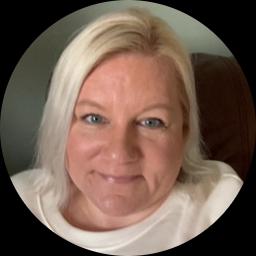
About Rachel
Rachel Krier is a Licensed Marriage and Family Therapist (LMFT) in Minnesota with eight years of clinical experience. She works with people who are dealing with stress, anxiety, relationship concerns, trauma and abuse, depression, and life transitions. Sessions focus on practical steps clients can use to feel steadier and more able to handle day-to-day challenges.
Rachel emphasizes straightforward conversation and clear goals. She helps people notice patterns that keep them stuck and tries different ways to shift those patterns in small, manageable steps. Communication problems are a common thread in the issues she addresses, and she will work on ways to speak up, set boundaries, or handle recurring conflicts more effectively.
Her approach uses evidence-based therapeutic techniques to address mood, panic, and areas like codependency, caregiver stress, and guilt or shame. She also supports people dealing with impulsivity, infidelity, and the fallout of separation or divorce. The work tends to focus on concrete skills and gradual change rather than abstract theory.
Rachel keeps session work practical. Clients can expect to talk through recent events, try new ways of reacting, and practice skills between meetings. She pays attention to what is getting in the way of progress and adjusts tasks so they fit into everyday life.
People who choose Rachel are usually looking for clear direction and steady support while they change patterns that cause repeated arguments or ongoing worry. She offers sessions in English and works from Minnesota.
How evidence-based approaches translate to online sessions
Many evidence-based techniques focus on skills you can learn and practice between meetings. Cognitive-based work looks at how thoughts influence feelings and behavior and teaches ways to test and shift unhelpful thinking. Skills-focused approaches concentrate on concrete tools such as grounding, breathing, and structured communication practices that help with anxiety, panic, and repeated conflicts.Finding the right approach is a collaborative process. The therapist will discuss your goals and try methods that fit your situation. Together you will check what helps and change course if something does not feel useful. The focus stays on practical steps and measurable progress rather than labels or promises.
Confirm current session formats before booking if you need a specific setup. Practical benefits of online work include fitting sessions into a busy week, shorter check-ins when time is tight, and options that reduce travel time. These features can make it easier to keep therapy consistent while you work on communication, stress, and day-to-day coping.
Areas of expertise
Primary focus
Additional focus areas
Experience
8+ years
Credentials
Minnesota
Languages
English
Frequently asked questions
What kinds of problems does she address?
She works with stress, anxiety, relationship concerns, trauma and abuse, depression, and coping with life changes. Additional focuses include communication problems, codependency, and caregiver stress.
What is her therapeutic style?
Her work uses evidence-based therapeutic techniques and emphasizes practical skills. Sessions aim to identify repeating patterns and introduce small changes clients can use between meetings.
How long has she been practicing?
She has eight years of professional experience providing clinical care.
What credential and location should I know about?
She is a Licensed Marriage and Family Therapist (LMFT) practicing in Minnesota.
Which languages are sessions offered in?
Sessions are offered in English.
Can people outside the US work with her?
International clients are not currently accepted.
How does payment and cost work?
Cost varies by location and sessions use a subscription model that can be canceled at any time.
What are the steps to begin?
Select the See online therapy options button, complete a short matching questionnaire, and schedule a first session.
Online talk therapy is not emergency care, and no counselor can promise how a conversation or a relationship will turn out. If you feel unsafe, call or text 988, or call 911. Crisis information