- Stress and anxiety
- Trauma and grief
- Parenting and coping
About Margaret
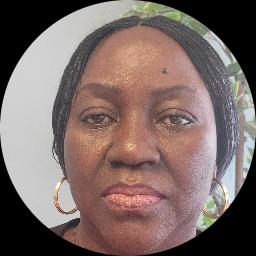
Margaret Wilson is an LCSW - Licensed Clinical Social Worker in Illinois with 11 years of experience. She works with people facing stress, anxiety, trauma and abuse, grief, low self-esteem, depression, addictions, parenting pressures, and coping with life changes. She also addresses communication problems among other concerns.
She begins by listening to each person's story and recognizing the strengths they already have. Sessions focus on clear, direct conversations about what feels stuck. Practical steps and small changes are emphasized rather than long explanations.
Margaret aims to help people find clearer ways to say what they need. She encourages rehearsing hard conversations and breaking big problems into manageable parts. People learn skills they can use between sessions to reduce repeated arguments and misunderstandings.
Her work often includes looking at patterns that keep people stuck, such as avoidance or repeated conflict. She helps identify alternatives and practices new behaviors in session. This hands-on approach is meant to make change feel doable rather than overwhelming.
Margaret keeps things straightforward and action oriented. She supports clients through transitions like separation, caregiving, illness, and recovery from substance use. Her approach is practical, focused on improving everyday communication and coping.
Clients can expect clear goals for sessions and check-ins on progress. Margaret works in English and practices in Illinois as an LCSW. Those interested should confirm current session formats before booking.
How her approaches translate to online work
Evidence-based techniques used in her practice include practical cognitive-behavioral strategies and skills-based coaching. Cognitive-behavioral approaches focus on identifying unhelpful thinking and testing small behavior changes, which can reduce anxiety and improve responses in stressful conversations. Skills-based coaching emphasizes rehearsal of communication, role play, and specific exercises to handle difficult talks and reduce repeated conflicts.Finding the right approach is part of the work. She collaborates with each person to decide which techniques fit their goals and preferences. That means trying an approach, checking how it feels, and adjusting based on what helps most in everyday life.
Confirm the current session options before booking, as formats are not specified here. Online sessions can make it easier to fit therapy into a busy week, allow for shorter check-ins when schedules demand, and let people practice skills from wherever they are. Many clients find that having sessions without travel helps maintain regular appointments and apply new communication habits between meetings.
Areas of expertise
Also works with
Additional focus areas
Experience
11+ years
Credentials
Illinois
Languages
English
Frequently asked questions
What kinds of concerns does she address?
She works with stress, anxiety, trauma and abuse, grief, low self-esteem, depression, addictions, parenting strains, coping with life changes, and communication problems among other issues.
What is her therapy style like?
Her style is direct and practical, focusing on clear conversations, skill practice, and small steps clients can use between sessions.
How much clinical experience does she have?
She has 11 years of clinical experience as a practicing mental health professional.
What credentials and location apply?
She is an LCSW - Licensed Clinical Social Worker licensed in Illinois and practices there.
Which languages are sessions offered in?
Sessions are offered in English.
Can international clients work with her?
She does not accept international clients at this time.
How does pricing work?
Cost varies with location and sessions are provided through a subscription that can be canceled at any time.
How do I begin a first session?
Select the See online therapy options button, complete a short matching questionnaire, and schedule a first session.
Online talk therapy is not emergency care, and no counselor can promise how a conversation or a relationship will turn out. If you feel unsafe, call or text 988, or call 911. Crisis information