- CBT techniques
- Mindfulness skills
- Client-centered care
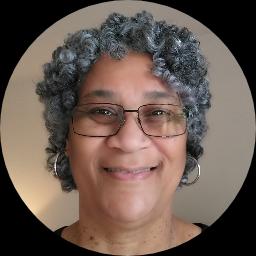
About Gwendolyn
Dr. Gwendolyn Drake is a clinical psychologist licensed in Arkansas and Tennessee with 18 years of experience. She works with people facing stress, anxiety, trauma and abuse, depression, relationship concerns, grief, and communication problems among other issues. She emphasizes practical help for everyday struggles and clear, direct conversation about what matters to each person.
Drake uses a mix of approaches to meet different needs. She draws on client-centered methods that treat the person as the expert on their life. She also uses Cognitive Behavioral Therapy to identify and change unhelpful thinking and behavior patterns. Mindfulness-based techniques and Dialectical Behavior Therapy skills are included when they fit a person's goals.
Sessions focus on concrete skills and decisions, not jargon. She helps people notice patterns that keep leading to the same arguments or stuck feelings, and she practices ways to speak up and set boundaries that actually work. Expect short, clear plans and real practice between sessions to test new ways of handling conflict.
Drake has particular experience with issues that can complicate communication - trauma, grief, intimacy problems, and caregiver or compassion fatigue. She also has additional focus areas such as adoption and foster care, aging concerns, and veteran and armed forces issues. Her approach favors steady, evidence-informed techniques that can be used in everyday life.
People looking to change recurring fights, say what they need, or reduce reactivity in tense conversations often find the emphasis on skills and practical steps helpful. To start, she asks straightforward questions about goals and then follows with clear suggestions and homework to try between meetings.
How her approaches translate to online work
Drake commonly uses Acceptance and Commitment Therapy and Cognitive Behavioral Therapy in her work. Acceptance and Commitment Therapy focuses on clarifying personal values and taking small, meaningful steps toward them while accepting uncomfortable thoughts or feelings. Cognitive Behavioral Therapy looks at the links between thoughts, feelings, and actions and teaches practical tools to change unhelpful patterns.Finding the right approach is collaborative. She will talk with each person about their goals and preferences and suggest which methods to try first. Together they check what helps and adjust the plan over time so it fits the person’s life and communication goals.
Session formats are not listed in the biography, so confirm current online options before booking. Online sessions can make it easier to fit therapy into a busy week, shorten travel time, and allow brief check-ins when a full in-person visit is hard to arrange. The focus remains on practicing skills for clearer conversations, reducing reactivity, and managing stress in everyday settings.
Areas of expertise
Also works with
Additional focus areas
Therapeutic approaches
Experience
18+ years
Credentials
Virginia, Tennessee, Arkansas
Languages
English
Frequently asked questions
What concerns does she help with?
She works with stress, anxiety, trauma and abuse, depression, grief, relationship and communication problems, and related issues such as compassion fatigue and intimacy concerns.
What is her therapeutic style?
She uses a client-centered way of working combined with Cognitive Behavioral Therapy, mindfulness techniques, and Dialectical Behavior Therapy skills when useful.
How much experience does she have?
She has 18 years of clinical experience practicing as a psychologist.
What are her credentials and where is she based?
She is listed as AR Psychologist 202222 and TN Psychologist 3537 and practices from Tennessee.
Which languages are sessions offered in?
Sessions are offered in English.
Are sessions available to international clients?
International clients are not currently accepted.
How is cost handled?
Cost varies with location and sessions use a subscription that can be canceled at any time.
How do I get started with a first session?
Select the See online therapy options button, complete a short matching questionnaire, and schedule a first session.
Online talk therapy is not emergency care, and no counselor can promise how a conversation or a relationship will turn out. If you feel unsafe, call or text 988, or call 911. Crisis information