- CBT methods
- DBT skills
- Trauma work
About Dawn
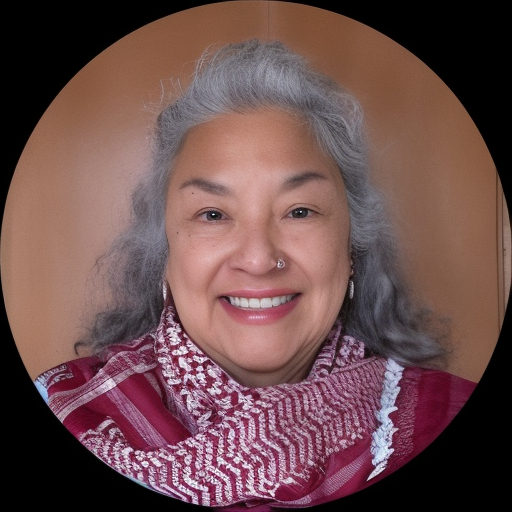
Dr. Dawn Schulze is an LCPC (Licensed Clinical Professional Counselor) and an LPC (Licensed Professional Counselor) with 30 years of clinical experience based in Minnesota. She focuses on stress, anxiety, relationship challenges, trauma and abuse, grief, and coaching. She also works with concerns such as communication problems, attachment issues, caregiver stress, chronic illness, and life transitions.
She uses straightforward, goal-oriented sessions that combine evidence-based methods with practical skills. Sessions typically involve setting clear goals, learning tools for managing strong emotions, and practicing new ways to speak up or set boundaries. Dr. Schulze aims to help people notice patterns that keep causing the same conflicts and try different responses in real life.
Her approach draws from Cognitive Behavioral Therapy to shift unhelpful thoughts and behaviors, Dialectical Behavior Therapy to build emotion regulation skills, and Emotionally-Focused Therapy to clarify difficult emotional responses in close relationships. Trauma-Focused and Solution-Focused techniques are used when relevant to short-term goals and safety planning.
Clients can expect direct feedback, practical exercises to use between sessions, and a focus on skill-building over time. She emphasizes working at a pace the client can manage while addressing immediate problems that interfere with daily life.
Dr. Schulze accepts international clients and offers sessions in English. Fees vary with location and use a subscription model that can be canceled at any time. To begin, people complete a short matching questionnaire and schedule a first session.
Therapeutic approaches used in online sessions
Dr. Schulze commonly draws on Cognitive Behavioral Therapy and Dialectical Behavior Therapy in her work. CBT helps people identify and change thoughts and behaviors that increase anxiety or conflict, with straightforward exercises to try between sessions. DBT focuses on building emotion regulation, distress tolerance, and interpersonal skills so someone can respond differently during heated moments.She also uses Emotionally-Focused Therapy when the goal is to clarify and name strong emotional responses in close relationships. EFT helps people describe core feelings and practice expressing them in clearer, less reactive ways so conversations go differently over time.
Finding the right approach is part of the work together. The therapist will help assess needs, goals, and preferences and recommend which methods to prioritize. That decision is revisited as progress is made and new challenges appear.
The biography does not specify exact session formats, so confirm current online options before booking. Online sessions can make it easier to fit therapy into a busy week, allow shorter check-ins when needed, and remove the time spent traveling to appointments. Therapists can also set up practical between-session assignments and coaching-style check-ins to support communication practice in daily life.
Areas of expertise
Primary focus
Additional focus areas
Therapeutic approaches
Experience
30+ years
Credentials
Wisconsin, Minnesota, Arizona, Kansas, South Dakota, New Mexico, Oklahoma, Utah
Languages
English
Frequently asked questions
What kinds of problems does she help with?
She supports people dealing with stress, anxiety, relationship issues, trauma and abuse, grief, and communication problems among other concerns.
What is her therapy style?
She uses a collaborative, goal-focused style that emphasizes practical skills and clear steps to change unhelpful patterns.
How much experience does she have?
She has 30 years of experience working with a wide range of emotional and life transition concerns.
What credentials and location apply?
She holds LCPC and LPC credentials and practices from Minnesota.
Can I work with her if I'm outside the U.S.?
International clients are accepted and sessions are offered in English.
Which session formats are offered?
The original biography did not list specific session formats; please confirm current session options before booking.
How are sessions paid for?
Fees vary with location and sessions use a subscription that can be canceled at any time.
How do I start a first session?
Begin by selecting the See online therapy options button, completing a short matching questionnaire, and scheduling a first session.
Online talk therapy is not emergency care, and no counselor can promise how a conversation or a relationship will turn out. If you feel unsafe, call or text 988, or call 911. Crisis information