- Communication problems
- Anxiety and stress
- Trauma-informed methods
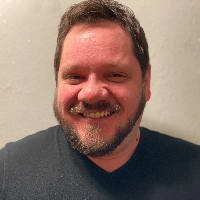
About Brandon
Brandon Bunker is a Licensed Clinical Mental Health Counselor, LCMHC, and a Licensed Professional Counselor, LPC, practicing in Utah with 11 years of experience. He works with stress, anxiety, relationship concerns, LGBT issues, trauma and abuse, depression, addictions, and communication problems. Brandon focuses on helping people who struggle to say what they need or who keep ending up in the same arguments.
He uses clear, practical strategies rather than jargon. Sessions emphasize learning new ways to talk about needs and limits. Brandon helps clients reduce repeated conflict, manage anxiety, and rebuild trust in themselves after hard experiences.
His approach blends several evidence-based methods. Cognitive Behavioral Therapy helps identify and shift unhelpful thought patterns. Acceptance and Commitment Therapy supports people to act in line with their values even when feelings are intense. Attachment-focused work looks at how early relationships shape current reactions.
In meetings he uses client-centered principles to keep the work focused on the person's goals. Emotionally-Focused Therapy techniques are used when the main concern involves strong feelings in relationships. Brandon also incorporates trauma-focused tools when past events are getting in the way of daily life.
He has worked with a range of concerns including parenting stress, caregiver strain, and intimacy-related issues. He also addresses topics such as codependency, commitment worries, and challenges tied to sexual expression or alternative sex culture. Brandon aims to make conversation and connection more manageable for people who feel stuck.
To begin, Brandon asks people to complete a short matching questionnaire and then schedule a first session. Costs vary with location and sessions use a subscription that can be canceled at any time.
How his approaches translate to online work
Acceptance and Commitment Therapy (ACT) helps people notice painful thoughts and feelings while choosing actions that match their values. It is useful for anxiety, low motivation, and coping with life changes. Attachment-Based Therapy looks at how early relationship patterns affect current connection and communication. It can help when people keep repeating the same relationship dynamics. Cognitive Behavioral Therapy (CBT) focuses on spotting unhelpful thoughts and testing them with practical experiments to reduce distress and improve communication.Finding the right approach is treated as a collaborative process. The therapist will talk with the client about goals and preferences, try appropriate techniques, and adjust the plan if something is not helping. The focus stays on clear skills for saying what you need and managing strong emotions in conversations.
Session formats are not specified here, so confirm current options before booking. Online work can make it easier to fit therapy into a busy week, allow shorter check-ins when time is limited, and reduce travel time. It also makes it possible to continue work consistently through life changes. Licensed professionals and therapists use these adaptations to keep sessions practical and focused on real-world communication challenges.
Areas of expertise
Primary focus
Also works with
Additional focus areas
Therapeutic approaches
Experience
11+ years
Credentials
Utah, Virginia
Languages
English
Frequently asked questions
What kinds of communication concerns are supported?
He helps people who avoid hard conversations, keep repeating the same arguments, or struggle to say what they need. Communication problems are part of his listed focus areas.
What is his therapeutic style like?
The style is practical and client-centered, focusing on clear skills for expressing needs and managing emotions. He combines conversational work with actionable techniques.
How much experience does he have?
Brandon has 11 years of clinical experience working with stress, anxiety, trauma, and relationship concerns.
What credentials and where does he practice?
He holds LCMHC and LPC credentials and practices in Utah.
Which languages are sessions offered in?
Sessions are offered in English.
Can people outside the US work with him?
International clients are not currently accepted.
How are sessions paid for?
Costs vary with location and sessions use a subscription that can be canceled at any time.
How do I get started?
Select the See online therapy options button, complete a short matching questionnaire, and schedule a first session.
Online talk therapy is not emergency care, and no counselor can promise how a conversation or a relationship will turn out. If you feel unsafe, call or text 988, or call 911. Crisis information