- Cognitive Behavioral Therapy
- EMDR for trauma
- Communication problems
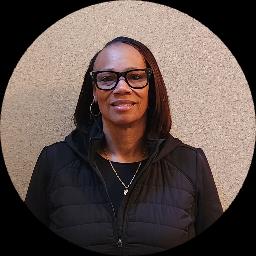
About Betty
Betty Hull-Williams is a Licensed Professional Counselor (LPC) in Oklahoma with 18 years of experience. She works with adults on issues such as stress, anxiety, depression, addiction, trauma and relationship or communication problems. Betty combines practical techniques with responsive listening to help people manage emotional and life challenges.
She trained at Oklahoma State University where she earned a Master of Science in Community Counseling. She also holds bachelor degrees in psychology and criminal justice. Over nearly two decades she has worked in correctional settings, drug courts, methadone clinics, homeless services, and independent practice.
Her sessions draw on several clinical approaches. Cognitive behavioral strategies are used to spot unhelpful thinking and change behaviors. EMDR is offered for people whose symptoms are linked to trauma. Emotion-focused and client-centered ideas guide conversations about difficult feelings and relationships.
She has experience supporting people who face mood instability, substance dependence, identity and gender issues, grief, and struggles with intimacy, trust, or infidelity. Betty has worked with adults who are navigating life changes, control and codependency problems, and issues connected to alternative sex cultures and kink.
In practical terms she emphasizes straightforward listening, active feedback, encouragement, and collaborative problem solving. She often blends skills training, focused talk work, and trauma-informed methods. Prospective clients should confirm current session options before booking.
Approaches used in online sessions
Betty uses Cognitive Behavioral Therapy to help people notice and change unhelpful thoughts and behaviors; this approach works well for anxiety, depression, and some relationship patterns. She also uses EMDR when past traumatic memories are a clear source of distress, offering a structured way to reduce the hold of those memories. Client-Centered Therapy informs how she talks with clients, keeping sessions focused on the person’s experience and goals. Choosing the right approach is part of the work. She collaborates with each person to pick methods that match their needs, goals, and comfort level. That process may start with shorter practical strategies and shift to deeper trauma work if needed. Session formats are not listed explicitly in the biography, so confirm the current online session options before booking. Online work can make it easier to schedule appointments around busy days, allow shorter check-ins when time is limited, and avoid travel time. Therapists can also adapt exercises, skill practice, and trauma-focused steps for remote sessions to fit everyday routines.Areas of expertise
Primary focus
Also works with
Additional focus areas
Therapeutic approaches
Experience
18+ years
Credentials
Oklahoma
Languages
English
Frequently asked questions
What concerns does she work with?
She supports adults with stress, anxiety, depression, substance and behavioral addictions, trauma and relationship problems including communication issues.
What is her therapeutic style?
Her style centers on active listening and practical techniques. She combines client-centered conversation with structured skills work.
How much experience does she have?
She has 18 years of experience working in corrections, drug court programs, methadone clinics, homeless services, and independent practice.
What are her credentials and where is she based?
She is a Licensed Professional Counselor (LPC) licensed in Oklahoma and practices in that state.
Which languages are supported?
Sessions are offered in English.
Does she take clients from other countries?
She is not currently accepting international clients.
How are costs structured?
Cost varies by location and sessions use a subscription that can be canceled at any time.
How do I get started?
Select the See online therapy options button, complete a short matching questionnaire, and schedule a first session.
Online talk therapy is not emergency care, and no counselor can promise how a conversation or a relationship will turn out. If you feel unsafe, call or text 988, or call 911. Crisis information