- Trauma recovery
- Attachment work
- Coping skills
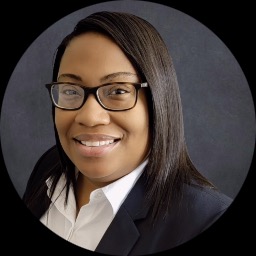
About Alesha
Alesha Morrison is an LCSW (Licensed Clinical Social Worker) with 10 years of clinical experience in Illinois. She works with people facing stress, anxiety, relationship and family difficulties, trauma and abuse, and major life changes. She also lists communication problems among her focus areas.
She uses person-centered, collaborative work to help people talk through their struggles. Sessions focus on practical steps and clearer patterns of interaction. Alesha aims to help clients recognize how past attachment or abandonment issues might show up now, and how those patterns affect current relationships and communication.
Her background includes a decade of practice supporting adults through grief, health challenges, blended family issues, and workplace stress. She often addresses codependency, commitment concerns, and control or avoidant personality patterns as they relate to everyday life and relationships. She also supports people coping with chronic illness and cancer-related stress.
Alesha draws on evidence-based therapeutic techniques to build coping skills and insight. Conversations move between processing past wounds and practicing new ways of relating. She works at a pace the client sets, aiming for clear goals and small, achievable changes.
People meet her for help with communication problems, to reduce repeated conflicts, or to manage anxiety that gets in the way of work and relationships. Her approach is straightforward and focused on what can change now, rather than long abstract theory.
How her therapeutic approaches translate to online work
Alesha uses evidence-based therapeutic techniques that focus on understanding patterns and building skills. One common approach she uses helps people identify attachment and abandonment patterns and how these affect current communication. This involves noticing repeated interaction cycles and practicing different responses to reduce conflict.Another approach emphasizes skill-building for stress and anxiety management. That work teaches concrete strategies for coping with physical symptoms, grounding during distress, and short behavioral changes to improve day-to-day functioning. Both approaches are practical and aim to change what happens between sessions as well as during them.
Deciding which method fits best is part of the early sessions. She will work collaboratively to match techniques to a person's goals and preferences, adjusting over time based on what helps most.
The practical benefits of online work include fitting sessions more easily into a busy week and reducing travel time. Confirm the available session formats before booking to make sure they suit your schedule. Many people find that shorter check-ins or flexible timing helps them maintain progress while balancing work, family, and health demands.
Areas of expertise
Primary focus
Additional focus areas
Experience
10+ years
Credentials
Illinois
Languages
English
Frequently asked questions
What concerns does she address?
She works with stress, anxiety, relationship and family difficulties, trauma and abuse, coping with life changes, and communication problems.
How does she approach therapy?
Her style is collaborative and person-centered, using evidence-based techniques to build insight and practical coping skills.
How much clinical experience does she have?
She has 10 years of experience working as a clinician in Illinois.
What are her credentials and location?
She is an LCSW (Licensed Clinical Social Worker) licensed in Illinois and practices in that state.
Which languages are supported?
Sessions are offered in English.
Does she work with international clients?
She is not currently accepting international clients.
How are sessions paid for?
Cost varies with location and sessions use a subscription that can be canceled at any time.
How do I begin working with her?
Select the See online therapy options button, complete a short matching questionnaire, and schedule a first session.
Online talk therapy is not emergency care, and no counselor can promise how a conversation or a relationship will turn out. If you feel unsafe, call or text 988, or call 911. Crisis information