- Coping with change
- Communication problems
- Codependency
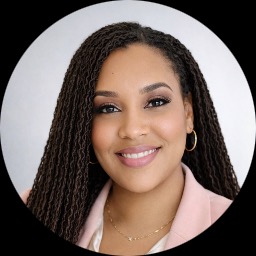
About YaShica
YaShica Maxwell is a Licensed Clinical Social Worker (LCSW) and a Licensed Independent Clinical Social Worker (LICSW) with seven years of experience. She lists coping with life changes as a main focus and works with adults facing anxiety, people-pleasing, boundary challenges, relationship strain, and major transitions.
She notices that people often arrive feeling exhausted, disconnected, or unsure who they are outside caregiving roles. Sessions focus on naming the patterns that keep clients stuck and on rebuilding practical skills. Conversations aim to make difficult topics easier to approach rather than avoided.
Her style is collaborative and culturally aware. She blends evidence-based therapeutic techniques with straightforward, real-world tools. Work in sessions often includes practicing clearer communication, trying new ways to set limits, and strengthening coping skills for stress and panic moments.
YaShica emphasizes concrete changes over perfection. Typical goals include reducing overwhelm, improving how someone asks for what they need, and finding clearer direction after a life change. She frames progress as steady steps rather than sudden fixes.
Outside of clinical work she likes traveling, concerts, museums, family time, and relaxing near the beach. These interests inform a focus on recovery that includes creating room for joy and everyday restoration.
Evidence-based approaches and online sessions
YaShica integrates evidence-based therapeutic techniques to address communication breakdowns and life transitions. Cognitive approaches help identify unhelpful thinking patterns and teach practical skills for managing anxiety and panic. Behavioral strategies focus on building new habits, such as practicing clearer requests and consistent boundary-setting in everyday situations.She also uses trauma-informed methods to help people process difficult experiences and reduce their ongoing impact. These methods aim to increase emotional regulation and make it easier to take steps like having a hard conversation or changing a relationship pattern.
Choosing the right approach is a collaborative process. The therapist and client review goals, try approaches, and adjust based on what feels most useful. Clients are invited to give feedback so the work stays focused on real-life change rather than theory.
If you are considering online sessions, confirm the current session options before booking since formats are not specified here. Online work can make it easier to fit sessions into a busy week, allow shorter check-ins when needed, and avoid travel time. Many people find virtual sessions help them practice communication skills between meetings and apply new strategies where they live.
Areas of expertise
Primary focus
Additional focus areas
Experience
7+ years
Credentials
Illinois, Minnesota, Rhode Island
Languages
English
Frequently asked questions
What concerns does she address?
She works with adults on coping with life changes, anxiety, people-pleasing, relationship strain, and related issues such as codependency and post-traumatic stress.
What is her therapeutic style?
Her approach is collaborative and practical, using evidence-based techniques alongside culturally responsive conversation and skill practice.
How much clinical experience does she have?
She has seven years of clinical experience supporting adults through transitions and stress-related concerns.
What are her credentials and where is she based?
She holds LCSW and LICSW credentials and practices in Illinois.
Which languages are offered for sessions?
Sessions are offered in English.
Can international clients work with her?
She is not currently accepting international clients.
How are sessions billed?
Costs vary by location and sessions use a subscription that can be canceled at any time.
How do I begin working with her?
Choose the See online therapy options button, complete the short matching questionnaire, and schedule a first session.
Online talk therapy is not emergency care, and no counselor can promise how a conversation or a relationship will turn out. If you feel unsafe, call or text 988, or call 911. Crisis information