- Communication problems
- Trauma and abuse
- Self esteem
About William
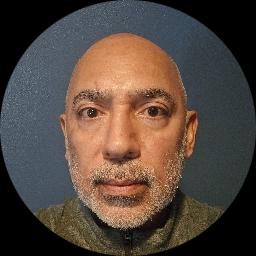
William Castillo is a Licensed Mental Health Counselor (LMHC) in Washington with 18 years of clinical experience. He works with adults facing stress, anxiety, depression, trauma and relationship concerns, and he lists communication problems among his focus areas.
He keeps sessions direct and practical. Conversations tend to focus on what causes repeated arguments, how patterns begin, and which small changes could make conversations less painful. He uses evidence-based therapeutic techniques and adapts them to everyday life tasks and decisions.
William grounds his work in respect for cultural background and life context. He pays attention to how immigration, blended family situations, fatherhood roles, and substance use can affect stress and connection. He also supports people dealing with abandonment, attachment questions, infidelity, and separation issues.
Therapy sessions look at thoughts, behavior, and relationship patterns together. William helps clients practice clearer communication, set boundaries, and manage impulsivity or strong emotions during conflict. He also addresses co-occurring issues such as addiction or medical stress like cancer when those affect mood or relationships.
He welcomes international clients and conducts work in English. To begin, people complete a short matching questionnaire and schedule a first session. Cost varies by location and services use a subscription that can be canceled at any time.
Approaches used and what online sessions look like
William uses evidence-based therapeutic techniques to address mood, trauma, and relationship patterns. Cognitive-style work looks at unhelpful thoughts and helps people test new ways of thinking that reduce anxiety and low mood. Practical behavioral strategies focus on small experiments and routines that change how someone reacts under stress and improve day-to-day functioning.He also uses interventions that target relationship patterns and attachment. These approaches help people notice repeated interaction cycles, practice different responses during conflict, and strengthen communication skills. This kind of work is useful for people who keep having the same arguments or feel stuck in old roles.
Finding the right approach is part of the work. William will discuss options in early sessions and decide together which techniques match a client's goals and preferences. That collaborative process makes it easier to try methods that feel useful and drop those that do not.
Session logistics should be confirmed before booking since formats are not listed in the biography. Online work can make scheduling easier and fit sessions into busy days, allow shorter check-ins when needed, or remove travel time. Confirm the available session formats and scheduling details when you complete the matching questionnaire and set your first appointment.
Areas of expertise
Primary focus
Additional focus areas
Experience
18+ years
Credentials
Washington
Languages
English
Frequently asked questions
What kinds of concerns does he work with?
He focuses on stress, anxiety, depression, trauma and relationship difficulties, and lists communication problems among his areas of attention.
What is his therapeutic style?
He uses evidence-based therapeutic techniques in a practical, task-focused way to help change patterns of thought, behavior, and interaction.
How much clinical experience does he have?
He has 18 years of experience working with adults on mood, trauma recovery, relationship dynamics, and related concerns.
What credential does he hold and where is he located?
He is an LMHC licensed in Washington and practices from that state.
Which languages are available for sessions?
Sessions are offered in English.
Can people outside the US work with him?
He accepts international clients; confirm any cross-border details before scheduling.
How are fees handled?
Cost varies with location; sessions use a subscription model that can be canceled at any time.
What are the next steps to start working together?
Select the See online therapy options button, complete a short matching questionnaire, and schedule a first session.
Online talk therapy is not emergency care, and no counselor can promise how a conversation or a relationship will turn out. If you feel unsafe, call or text 988, or call 911. Crisis information