- Stress and anxiety
- Addictions support
- Communication problems
About Wayland
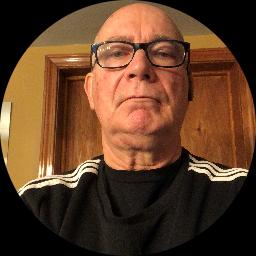
Wayland Smith is an LCSW licensed in Illinois with 38 years of professional experience. He works with adults concerned about stress, anxiety, addictions, family conflict, bipolar disorder, and communication problems among other life challenges. He welcomes people who are ready to take a first step toward clearer conversations and better day-to-day coping.
Wayland treats conversations as practical skills that can be learned. Sessions focus on what is getting in the way of speaking up, staying calm in conflict, and handling triggers from past trauma or loss. He looks for strengths the person already has and builds on them rather than starting from scratch.
In the room he talks through concrete steps people can try between sessions. That might include small behavior changes, short practices to lower anxiety, or ways to notice patterns that keep arguments repeating. He explains options plainly so people can choose what feels doable.
His practice pays attention to how life transitions and roles - for example parenting, fatherhood issues, aging, or military background - affect communication and stress. He also addresses co-occurring concerns like depression, ADHD, substance or process addictions, and grief so these issues are not treated as separate problems.
People can expect a straightforward, skills-focused approach aimed at improving daily functioning. Wayland supports international clients and conducts work in English. To begin he asks people to complete a short matching questionnaire and schedule an initial session.
How evidence-based approaches inform online work
Many clinicians use cognitive-behavioral techniques to help people notice unhelpful thoughts and try different responses. This approach breaks down problems into small, manageable steps and suits stress, anxiety, and mood concerns.Therapists also employ behavioral strategies to change routines that maintain addictions or avoidance. These techniques focus on specific actions and brief skills practices that can be done between sessions to reduce cravings or interrupt repetitive arguments.
Finding the right approach is part of the work together. The therapist will review needs, goals, and preferences and suggest options. Clients and therapist decide collaboratively which methods to use and adjust them as progress is tracked.
Confirm the session formats before booking since the biography did not list them. Online sessions can make it easier to fit therapy into a busy schedule, allow shorter check-ins when needed, and avoid travel time. Some formats also let people meet when they have limited bandwidth or prefer not to be on camera, but check which options are offered before you schedule.
Areas of expertise
Primary focus
Also works with
Additional focus areas
Experience
38+ years
Credentials
Illinois
Languages
English
Frequently asked questions
What concerns does he help with?
He helps with stress, anxiety, addictions, family conflict, bipolar disorder, depression, communication problems, grief, and related issues.
What is his therapeutic style?
He uses evidence-based therapeutic techniques and focuses on practical skills people can try between sessions.
How much experience does he have?
He has 38 years of professional work experience as a clinician.
What are his credentials and where is he based?
He is an LCSW licensed in Illinois and practices from that state.
Which languages are supported?
Sessions are offered in English and he accepts international clients.
What session formats are offered?
The original biography does not specify session formats; please confirm current session options before booking.
How does pricing work?
Cost varies with location and sessions use a subscription that can be canceled at any time.
How do I get started?
Select the See online therapy options button, complete a short matching questionnaire, and schedule a first session.
Online talk therapy is not emergency care, and no counselor can promise how a conversation or a relationship will turn out. If you feel unsafe, call or text 988, or call 911. Crisis information