- Client-Centered Therapy
- Cognitive Behavioral Therapy
- Mindfulness Therapy
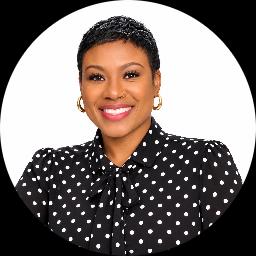
About Tomika
Dr. Tomika Hardy is a Licensed Clinical Social Worker (LCSW) with 14 years of clinical experience based in Texas. She lists work with stress, anxiety, addictions, trauma and abuse, grief, and depression among her primary concerns and includes communication problems among her focus areas.
Dr. Hardy uses clear, person-centered methods in sessions. She listens for what feels most urgent, then helps people build practical coping steps. Conversations tend to focus on small changes that can reduce overwhelm and repeated arguments.
Her background includes work with co-occurring mental health and substance use concerns. She draws on Cognitive Behavioral Therapy and Motivational Interviewing to help people notice unhelpful patterns and move toward concrete goals. Mindfulness techniques are used to increase moment-to-moment awareness and reduce reactivity.
In sessions she also uses Narrative Therapy ideas to examine the stories people tell about themselves. That can help with grief, shame, codependency, and the patterns that make communication break down. The goal is clearer thinking and clearer speech so conversations become more productive.
Dr. Hardy frames progress as a set of manageable steps rather than a sudden fix. She notes strengths, introduces practical strategies, and supports follow-through on small behavior changes. People who struggle to say what they need or who keep repeating the same fights may find this approach useful.
How Dr. Hardy’s approaches translate to online sessions
Dr. Hardy commonly draws on Cognitive Behavioral Therapy to help people notice the thoughts and behaviors that keep arguments repeating. CBT focuses on small experiments and practical homework to change patterns that feed anxiety, depression, and communication breakdowns.She also uses Client-Centered Therapy, which prioritizes listening and responding to what the person says matters most. That style helps people clarify what they want to express and practice saying it in ways that are heard. Mindfulness Therapy is used to slow reactions and build awareness of physical and emotional signals before a difficult conversation begins.
Choosing the right approach is collaborative. The therapist will discuss goals, preferences, and what has or hasn’t worked before, then recommend methods to try. That plan can be revisited and adjusted as work progresses.
Session formats are not listed in the biography, so confirm current options before booking. Online sessions can make it easier to fit therapy into a busy week, allow shorter check-ins when needed, and reduce travel time. Many people find remote sessions help maintain continuity of care while they work on communication, coping skills, and recovery-related goals.
Areas of expertise
Additional focus areas
Therapeutic approaches
Experience
14+ years
Credentials
Texas, Louisiana
Languages
English
Frequently asked questions
What concerns does she help with?
She works with stress, anxiety, addictions, trauma and abuse, grief, and depression, and lists communication problems among additional focus areas.
What style of therapy does she use?
She uses Client-Centered methods alongside Cognitive Behavioral Therapy, Mindfulness Therapy, Motivational Interviewing, and Narrative Therapy to focus on practical change.
How much experience does she have?
She has 14 years of clinical experience supporting people with mental health and substance use concerns.
What are her credentials and where is she based?
She is a Licensed Clinical Social Worker (LCSW) licensed in Texas and practices from that state.
Which languages are offered for sessions?
Sessions are offered in English.
Does she work with international clients?
She is not accepting international clients at this time.
How are sessions charged?
Cost varies with location; sessions use a subscription model that can be canceled at any time.
How do I begin scheduling a first session?
Select the See online therapy options button, complete the short matching questionnaire, and schedule your first session.
Online talk therapy is not emergency care, and no counselor can promise how a conversation or a relationship will turn out. If you feel unsafe, call or text 988, or call 911. Crisis information