- Client-centered listening
- Cognitive behavioral techniques
- Trauma-informed care
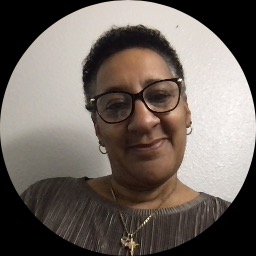
About Sonya
Sonya Cook is a New York State Licensed Marriage and Family Therapist (LMFT) with 25 years of clinical experience. She works with people dealing with stress and anxiety, relationship difficulties, family conflict, trauma and abuse, and parenting concerns. Sessions focus on clear, practical conversation about what’s not working and what a person wants to change.
Her approach is straightforward and conversational. She uses client-centered methods to listen to what matters most to each person and to shape goals together. Sonya also draws on cognitive behavioral ideas to help people notice unhelpful thinking patterns and try different responses.
When trauma is part of the story, she uses trauma-focused methods and narrative tools to help people make sense of painful events. That can include looking at how difficult memories fit into a person’s life story and testing new ways of responding to triggers.
Sonya emphasizes skills people can use between sessions, such as brief mindfulness practices and simple tools for managing anxiety and panic. She encourages small experiments that test new ways of interacting with partners, family members, or coworkers.
People who choose her work with someone who combines decades of practical experience with a calm, task-oriented style. She practices in New York and conducts sessions in English. Before a first appointment she asks people to outline their main concerns so time is focused on immediate priorities.
How therapeutic approaches guide online sessions
Client-centered therapy focuses on listening closely to what each person says and shaping goals from their concerns. In practice this means sessions begin by identifying a few immediate priorities and then checking in on progress each time.Cognitive Behavioral Therapy (CBT) helps people spot patterns of thinking that increase stress or trigger arguments. Online work often includes short behavioral experiments and simple practice tasks people can try between sessions to see if a different response helps.
Finding the right approach is part of the work. The therapist will talk with the client about goals, symptoms, and preferences, and together they will decide which combination of methods fits best. Changes to the plan are expected as progress is reviewed and new priorities arise.
Session logistics should be confirmed before booking since this profile does not list specific formats. Ask which formats are offered and how to schedule. Online sessions can make it easier to fit therapy around work or family commitments, reduce travel time, and allow for shorter check-ins when needed, while the therapist and client focus on practical tools and homework that support communication and stress management.
Areas of expertise
Primary focus
Additional focus areas
Therapeutic approaches
Experience
25+ years
Credentials
New York
Languages
English
Frequently asked questions
What concerns does she work with?
She supports people with stress, anxiety, relationship and family problems, trauma and abuse, and parenting issues.
What is her therapeutic style?
She takes a practical, conversational approach that centers the client's priorities and uses collaborative goal-setting.
How much clinical experience does she have?
She has 25 years of professional work experience in counseling and therapy.
What are her credentials and where is she based?
She is a New York State Licensed Marriage and Family Therapist (LMFT) practicing in New York.
Which languages are available for sessions?
Sessions are offered in English.
Can people outside the US work with her?
She is not accepting international clients at this time.
How are sessions paid for?
Cost varies with location; sessions use a subscription that can be canceled at any time.
What should I do to begin?
Select the See online therapy options button, complete a short matching questionnaire, and schedule a first session.
Online talk therapy is not emergency care, and no counselor can promise how a conversation or a relationship will turn out. If you feel unsafe, call or text 988, or call 911. Crisis information