- CBT techniques
- Motivational interviewing
- Mindfulness tools
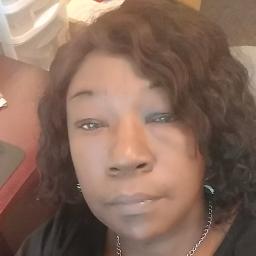
About Shirley
Shirley Southard is a Licensed Clinical Mental Health Counselor (LCMHC) in North Carolina with 20 years of experience. She works with people facing stress, anxiety, addictions, anger, depression, ADHD, relationship and family concerns, trauma and abuse, grief, parenting challenges, and coping with life changes. Shirley also lists communication problems among her areas of focus.
She has worked across mental health, developmental disability, and substance use settings. Her background includes assisted medication management and work with active military members and their families. Shirley draws on long-term practical experience rather than academic theory alone.
In sessions she listens without judgment and helps people talk through what is getting in the way of change. She uses straightforward techniques from Cognitive Behavioral Therapy and Motivational Interviewing, along with client-centered approaches and mindfulness tools. Psycho-education is part of how she explains problems and options.
Shirley has supported people through divorce, single parenting, addictions, grief, mood difficulties, and related life transitions. She describes working with individuals and children in her experience, and with substance use populations and veterans in past roles.
Her style is practical and focused on steps people can try between sessions. That can include learning new coping skills, noticing unhelpful thinking patterns, and practicing different ways to speak up or set limits. People who want clear suggestions and space to work through hard conversations may find this approach direct and useful.
Approaches used in online work and practical fit
Client-centered therapy focuses on listening and responding to each person's concerns. It helps people feel heard and then decide which steps to try next. Cognitive Behavioral Therapy, or CBT, looks at links between thoughts, feelings, and actions. It teaches practical skills to change thinking patterns and behavior that feed anxiety, depression, or anger.Finding the right approach is part of the work. Shirley treats this as a collaborative process. She will discuss goals, try methods that fit those goals, and adjust based on what helps most.
The therapist's biography does not specify which session formats she uses, so confirm current options before booking. Many people find online sessions useful for fitting therapy into a busy life, keeping appointments shorter when needed, or avoiding travel time. Online work also makes it easier to continue therapy when circumstances change, while still focusing on skill practice, role-play for difficult conversations, and homework between meetings.
Areas of expertise
Primary focus
Also works with
Additional focus areas
Therapeutic approaches
Experience
20+ years
Credentials
North Carolina
Languages
English
Frequently asked questions
What concerns does she help with?
She supports people dealing with stress, anxiety, addictions, anger, depression, ADHD, relationship and family issues, trauma, grief, parenting, and communication problems.
What is her therapeutic style?
Her work is client-centered and practical. She listens, offers psycho-education, and teaches coping skills drawn from CBT and DBT approaches.
How much experience does she have?
She has about 20 years of experience working in mental health, developmental disability, and substance use settings.
What are her credentials and where is she based?
She holds the LCMHC credential and practices in North Carolina.
Which languages and international clients are supported?
Sessions are offered in English and she accepts international clients.
What session formats are offered?
The original biography does not list session formats. Please confirm current session options before booking.
How are sessions priced?
Cost varies with location and sessions use a subscription model that can be canceled at any time.
How do I begin working with her?
To start, select the See online therapy options button, complete a short matching questionnaire, and schedule a first session.
Online talk therapy is not emergency care, and no counselor can promise how a conversation or a relationship will turn out. If you feel unsafe, call or text 988, or call 911. Crisis information