- EMDR
- Motivational Interviewing
- Communication problems
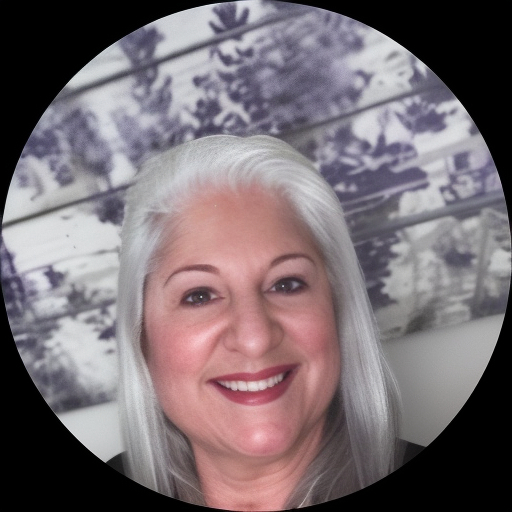
About Sarah
Sarah Bachmaier is a Florida licensed clinical social worker (LCSW) with nine years of professional experience. She works with people facing stress, anxiety, trauma and abuse, grief, self-esteem concerns, and depression. She also addresses related problems such as communication problems, caregiver stress, codependency, and issues around infidelity and isolation.
Sarah uses straightforward, practical methods in sessions. She treats trauma and distress in ways that aim to reduce upsetting memories and improve coping. She also uses motivational interviewing to help people clarify what matters and take small, manageable steps toward change.
In sessions she treats each person as the expert on their life. She listens for strengths and helps clients use those strengths to deal with current problems. Conversations focus on clear goals and concrete steps rather than long, abstract discussion.
Her background includes work with people dealing with chronic pain, substance concerns, and the fallout of domestic violence. That experience informs how she approaches safety, pacing, and recovery work in later sessions. She explains methods as they are used and checks in often about how an approach feels for the client.
Sarah practices in Florida and holds the LCSW credential. Sessions are conducted in English. To start, users complete a short matching questionnaire and schedule a first session through the site.
How EMDR and Motivational Interviewing translate to online work
EMDR is a trauma-focused method that helps reduce the intensity of upsetting memories by combining guided attention with careful processing. It is often used for trauma, abuse, and related symptoms to help memories feel less disruptive. Motivational Interviewing is a conversational approach that helps clarify values, resolve ambivalence, and build small steps toward change; it is commonly used for substance concerns, behavior change, and improving commitment to goals.Choosing an approach is collaborative. The therapist will discuss goals, past experiences with therapy, and current needs to decide what to try first. If an approach does not fit, she will adjust plans with the client rather than insist on a single method.
Session logistics should be confirmed before booking. The biography does not list specific session formats, so users are asked to check available options when they sign up. Many people find online sessions easier to fit into work or family schedules, require less travel, and make it simpler to keep regular appointments. Other practical benefits include the ability to use shorter check-ins when time is limited and fewer barriers to attending from different locations.
Areas of expertise
Additional focus areas
Therapeutic approaches
Experience
9+ years
Credentials
Florida
Languages
English
Frequently asked questions
What concerns does she address?
She works with stress, anxiety, trauma and abuse, grief, self-esteem issues, and depression. Additional focus areas include communication problems, caregiver stress, chronic illness, and substance concerns.
How would she describe her therapeutic style?
Her style is practical and goal oriented, using clear steps and regular check-ins. She emphasizes client strengths and collaborative planning.
How much experience does she have?
She has nine years of professional work experience. That work has included support for trauma recovery and grief coping.
What credentials and location does she hold?
She is a Florida LCSW and practices in Florida. The credential listed is LCSW.
Which languages are sessions offered in?
Sessions are offered in English.
Can international clients work with her?
International clients are not currently accepted.
How are sessions billed?
Cost varies with location and sessions use a subscription that can be canceled at any time.
What are the first steps to begin?
Use the See online therapy options button, complete a short matching questionnaire, and schedule a first session through the site.
Online talk therapy is not emergency care, and no counselor can promise how a conversation or a relationship will turn out. If you feel unsafe, call or text 988, or call 911. Crisis information