- Relationship repair
- Communication skills
- Multicultural awareness
About Moskula
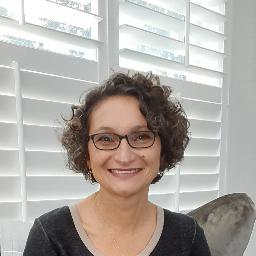
Moskula "Monica" Kypreos is an LMFT (Licensed Marriage and Family Therapist) based in Florida with 32 years of clinical experience. She works with people facing stress, anxiety, relationship difficulties, trauma and abuse, grief, and depression. Monica also focuses on communication problems, divorce and separation, infidelity, and multicultural concerns.
Monica helps people talk through problems and identify what feels stuck. She uses several evidence-based techniques to guide sessions, and invites clients to discover practical ways forward. Sessions are conversational and focused on real-life changes rather than jargon or tests.
Born in Kalymnos, Greece, Monica moved to the United States at age nine and draws on her own cross-cultural experience. That background shapes how she understands cultural influences on relationships and coping. She has worked with both monolingual Greek speakers and bilingual clients.
In sessions she attends to patterns that keep recurring in relationships and work life. She helps clients name these patterns, practice different ways of speaking and responding, and try small experiments between sessions. Communication problems are addressed directly with clear steps to change interaction habits.
Monica views starting therapy as a practical step that takes courage. Her approach aims to help people notice what’s working, try alternative responses, and build on small successes. Clients who prefer conversation in English or Greek can discuss language needs at intake.
Therapeutic methods and how they translate to online work
Monica uses several evidence-informed approaches in her practice. Emotionally focused work focuses on identifying and changing interaction patterns between partners, helping reduce recurring fights and increasing clearer expression of needs. Internal Family Systems looks at different parts of a person and how they interact, which can help when anxiety or self-criticism keeps people stuck.Choosing the right method is part of the work. Monica and the client assess what feels most useful, and they adjust techniques as goals change. That collaborative process helps make sessions practical and goal-oriented rather than fixed to a single model.
If you plan to meet online, confirm the session formats available before booking so you know what to expect. Online sessions can make it easier to fit therapy into a workday, reduce travel time, and allow for shorter check-ins when needed. Some people find video lets them use visual cues to practice new interaction habits, while audio-only calls can work better when bandwidth is limited or when a shorter, focused conversation is preferred.
Areas of expertise
Primary focus
Additional focus areas
Experience
32+ years
Credentials
Florida
Languages
English, Greek
Frequently asked questions
What kinds of problems does she help with?
She works with stress, anxiety, relationship concerns, trauma and abuse, grief, and depression, with additional focus on communication problems and workplace issues.
How would you describe her approach in sessions?
Sessions are conversational and practical, using evidence-informed techniques to identify patterns and try different ways of interacting.
How much clinical experience does she have?
Monica has 32 years of experience working as a therapist with individuals and couples.
What are her credentials and where is she based?
She is an LMFT (Licensed Marriage and Family Therapist) licensed in Florida and practices from that state.
Which languages are offered in sessions?
Sessions are offered in English and Greek.
Does she work with international clients?
She does not accept international clients at this time.
How are sessions arranged and what does it cost?
Cost varies with location and sessions use a subscription model that can be canceled at any time.
How do I begin if I want to work with her?
Start by selecting the See online therapy options button, completing a short matching questionnaire, and scheduling a first session.
Online talk therapy is not emergency care, and no counselor can promise how a conversation or a relationship will turn out. If you feel unsafe, call or text 988, or call 911. Crisis information