- CBT methods
- DBT skills
- Mindfulness practice
About Mary
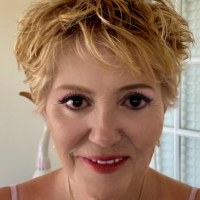
Mary Cowen is a Licensed Clinical Social Worker (LCSW) with 26 years of experience, currently practicing in North Carolina. She lists concerns she works with including depression, anxiety, relationship stress, grief, eating issues, trauma and communication problems. Mary has also supported people facing chronic illness, caregiver stress, addiction, and parenting challenges.
She has worked across many settings over her career, including community mental health, in-home care, schools, inpatient mental health, hospitals, and hospice. That variety shaped a practice that adapts to different life circumstances and practical needs. Sessions are focused on what is most pressing for the person who comes in.
Mary uses several common approaches to guide sessions. She draws on Client-Centered Therapy to listen and respond to where a person is, Cognitive Behavioral Therapy (CBT) to look at thinking and behavior patterns, and Dialectical Behavior Therapy (DBT) skills for emotional regulation and distress tolerance. She also incorporates mindfulness and relationship-focused methods when they fit the work.
In a typical meeting she helps people name the problem, try small changes, and notice what shifts. Conversations are collaborative and action-oriented when appropriate. The emphasis is on clear communication, practical coping strategies, and building skills people can use outside sessions.
Mary accepts international clients and conducts work in English. She brings long experience with both short-term issues and ongoing life changes, and focuses on helping adults who want clearer communication, better coping, and steadier emotional responses.
How therapeutic approaches translate to online work
Client-Centered Therapy centers on listening and responding to what matters most to the person. Online, that can mean sessions that follow the client's pace and priorities, with the therapist reflecting and clarifying concerns. Cognitive Behavioral Therapy (CBT) focuses on identifying thought patterns and testing small behavioral changes. In remote sessions this often includes setting concrete homework, tracking results between meetings, and reviewing progress together. Dialectical Behavior Therapy (DBT) teaches practical skills for regulating emotion and handling conflict. Those skills translate to brief practice exercises, grounding techniques, and role-play during sessions.Choosing the right approach is a collaborative process. The therapist will talk with the client about their goals, needs, and what feels most useful. Together they will try approaches and adjust based on what helps in real life.
The original biography does not list specific session formats, so confirm current options before booking. Online work can make it easier to fit sessions into a busy week, allow shorter check-ins when needed, and reduce travel time. It also lets people practice communication skills in real contexts between meetings. Mary uses her clinical approaches to help people improve communication, manage stress, and try small, practical changes that fit day-to-day life.
Areas of expertise
Primary focus
Also works with
Additional focus areas
Therapeutic approaches
Experience
26+ years
Credentials
North Carolina
Languages
English
Frequently asked questions
What concerns does she help with?
She works with depression, anxiety, grief, relationship and communication problems, eating concerns, trauma, caregiving stress, addiction, and related issues.
What is her general therapeutic style?
Her style is interactive and person-focused. She blends listening with practical suggestions and skill-building.
How much experience does she have?
She has 26 years of experience providing clinical social work in community, hospital, hospice, school, and inpatient settings.
Where is she licensed and practicing?
She is an LCSW licensed in North Carolina.
Which languages are supported?
Sessions are offered in English and international clients are accepted.
What session formats are offered?
The original profile does not list specific session formats. Confirm current session options before booking.
How are fees handled?
Costs vary with location and sessions use a subscription that can be canceled at any time.
How do I get started?
Select the See online therapy options button, complete the short matching questionnaire, and schedule a first session.
Online talk therapy is not emergency care, and no counselor can promise how a conversation or a relationship will turn out. If you feel unsafe, call or text 988, or call 911. Crisis information