- Communication problems
- Anxiety and depression
- Trauma informed
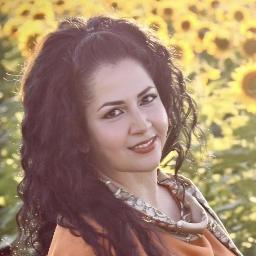
About Mahsa
Mahsa Maghsoudi, KS LCPC, has worked in counseling for 10 years. She supports people facing stress, anxiety, relationship difficulties, trauma and abuse, grief, and depression. She speaks English and Persian and practices in Kansas.
Mahsa uses practical, evidence-based techniques to help people notice patterns and try new ways of relating. Sessions focus on clear goals and small steps people can use between meetings. She often addresses communication problems, attachment and abandonment concerns, and feelings of shame or isolation.
Her background includes a master’s degree in Mental Health Counseling from the University of North Texas and a doctorate in Counselor Education and Supervision from the University of Texas at San Antonio. Those academic experiences inform how she structures sessions and sets measurable goals with clients.
In meetings she works to teach skills people can use right away, such as slowing down during heated conversations and naming needs clearly. She also uses strategies for mood regulation and managing intense memories after trauma. Practical exercises and short homework tasks are common so clients can test changes between sessions.
People who come for help may be struggling with control issues, money stress, body image, caregiving strain, or recurring arguments that never resolve. The approach is methodical and skill-focused, aimed at reducing distress and improving daily interactions. To start, visitors are asked to complete a brief matching questionnaire and schedule a first session.
How therapeutic approaches are used in online sessions
Mahsa typically draws on cognitive behavioral ideas and trauma-informed practices. Cognitive behavioral techniques help people notice unhelpful thoughts and try different behaviors to reduce anxiety or change mood. Trauma-informed approaches focus on understanding how past harms affect current reactions and on pacing work to avoid overwhelm.She also integrates skills commonly used in dialectical behavior methods to teach emotion regulation, distress tolerance, and clearer communication. Those skills are taught in short exercises during sessions and practiced between appointments to build habit and confidence.
Finding the right approach is part of the work. Mahsa collaborates with each person to decide which techniques fit their goals, preferences, and daily life. She reviews progress and adjusts methods over time so sessions remain relevant and useful.
Session formats are not specified in the biography, so confirm current options before booking. In general, online sessions can make it easier to fit counseling around work or family schedules, allow for a shorter check-in when days are busy, and remove travel time. Licensed professionals use online formats to continue skills teaching, role play communication practices, and offer regular follow-ups that fit into daily routines.
Areas of expertise
Primary focus
Additional focus areas
Experience
10+ years
Credentials
Kansas
Languages
English, Persian
Frequently asked questions
What concerns does she address?
She works with stress, anxiety, relationship difficulties, trauma and abuse, grief, and depression, plus related areas like communication problems and attachment issues.
What is her general approach in sessions?
She uses practical, evidence-based techniques and focuses on skills people can use between sessions to change patterns and improve interactions.
How much experience does she have?
She has 10 years of experience working in counseling and related settings.
What credential does she hold and where is she based?
She is a KS LCPC and practices in Kansas.
Which languages are supported?
Sessions are offered in English and Persian.
Can I work with her from outside the United States?
She is not accepting international clients at this time.
How are sessions paid for?
Cost varies with location and sessions use a subscription that can be canceled at any time.
How do I begin a first session?
Select the See online therapy options button, complete the short matching questionnaire, and then schedule a first session.
Online talk therapy is not emergency care, and no counselor can promise how a conversation or a relationship will turn out. If you feel unsafe, call or text 988, or call 911. Crisis information