- Communication problems
- Trauma and abuse
- Cognitive behavioral methods
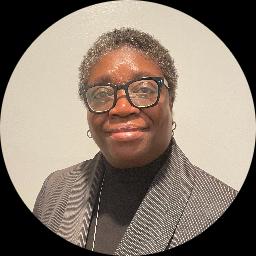
About Lisa
Dr. Lisa Hines is an LCSW licensed in Illinois with 30 years of clinical experience. She works with people facing stress, anxiety, relationship strain, trauma and abuse, depression, and coping with life changes. Lisa lists communication problems among her focus areas and helps clients who struggle to say what they need or who keep repeating the same arguments.
Her approach is straightforward and conversational. Sessions focus on practical tools and clear steps rather than jargon. She listens to what is happening now and helps people identify small changes that make everyday interactions easier.
Lisa uses a mix of psychotherapy approaches to match what each person needs. She draws on cognitive behavioral strategies to notice and change unhelpful thought patterns. She uses client-centered work to follow what matters most to the person in the room. She also incorporates techniques from acceptance and commitment methods and other approaches when they fit the situation.
In sessions she will help a person practice new ways of speaking up, set manageable goals for difficult conversations, and rehearse responses to common triggers. For people dealing with traumatic memories she can use trauma-focused techniques when appropriate to reduce the intensity of distressing reactions.
Her style is steady and practical. People who want clear, actionable steps for improving communication and handling stress may find her way of working useful. To begin, prepare to talk about specific moments that feel stuck and what you want to change.
Approaches used in online sessions
Acceptance and Commitment Therapy (ACT) helps people notice unhelpful thoughts and choose actions that reflect their values. It can help with anxiety, stuck patterns, and motivation by focusing on concrete behaviors. Cognitive Behavioral Therapy (CBT) targets thoughts and behaviors that keep problems going and offers practical exercises to test new ways of thinking. CBT is commonly used for anxiety, depression, and recurring conflict. Eye Movement Desensitization and Reprocessing (EMDR) is a trauma-focused method that works with distressing memories to reduce their emotional intensity and the reactions they trigger.Choosing the right approach is part of the work. The therapist will discuss options and help decide what fits best based on your goals and what feels manageable. That collaborative process may combine elements from several approaches rather than using only one method.
Confirm the specific session formats before booking, as the profile does not list formats. Online sessions can make it easier to fit work on communication into a busy life. They can save travel time, allow for shorter check-ins when schedules are tight, and make practicing skills between sessions more convenient. Talk with the therapist about what will work best for scheduling and how to structure sessions around your everyday routine.
Areas of expertise
Primary focus
Additional focus areas
Therapeutic approaches
Experience
30+ years
Credentials
Illinois
Languages
English
Frequently asked questions
What concerns does she address?
She works with stress, anxiety, relationship strain, trauma and abuse, depression, and coping with life changes. Communication problems are listed among her focus areas.
What is her therapeutic style?
She uses practical, conversational therapy that focuses on tools and small behavioral changes. The work emphasizes clear steps rather than technical language.
How much experience does she have?
She has 30 years of professional experience working in clinical settings and with individual clients.
What are her credentials and location?
She is an LCSW licensed in Illinois and practices from that state.
Which languages are offered?
Sessions are offered in English.
Does she take international clients?
International clients are not accepted at this time.
How are sessions billed?
Cost varies with location and sessions use a subscription that can be canceled at any time.
How do I get started?
Select the See online therapy options button, complete the short matching questionnaire, and schedule a first session.
Online talk therapy is not emergency care, and no counselor can promise how a conversation or a relationship will turn out. If you feel unsafe, call or text 988, or call 911. Crisis information