- Stress and anxiety
- Trauma and abuse
- Attachment and trust
About Lacresha
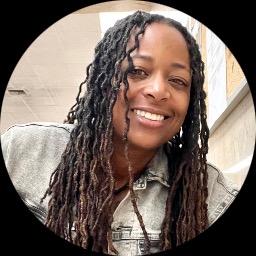
Lacresha "Cresha" Collins is a California Licensed Marriage and Family Therapist (LMFT) with five years of clinical experience and more than a decade of personal experience supporting people through difficult times. She lists stress, anxiety, relationship issues, trauma and abuse, anger, and LGBT-related concerns among the main areas she addresses. Cresha aims to help people who struggle to say what they need or who keep repeating the same conflicts with others.
Cresha works in a direct, interactive way. Sessions focus on practical skills and on noticing patterns that keep causing problems. She avoids stigmatizing labels and treats each person with cultural awareness and respect. Conversations are cooperative; she helps clients name what they want to change and practice new ways of relating.
Her background includes work with urban communities and people from the LGBTQIA+ community. Cresha supports those facing depression, identity struggles, parenting and career pressures, and the aftereffects of emotional abuse. She also helps people dealing with attachment issues, communication problems, control struggles, and separation or divorce.
The methods she uses draw from cognitive-behavioral, psychodynamic, humanistic, and rational-emotive approaches. In practice this means she offers skills training, reflection on past patterns, and direct challenge of unhelpful thoughts when useful. Treatment plans are decided together based on the person’s history and goals.
Sessions emphasize rebuilding a sense of voice and steadier ways of relating. Cresha also addresses body image, caregiver stress, guilt and shame, isolation, panic symptoms, and mood concerns. She works in English and practices in California.
How her approaches translate to online sessions
Evidence-based techniques Cresha uses include cognitive-behavioral ideas and psychodynamic reflection. Cognitive-behavioral work focuses on identifying unhelpful thoughts and learning practical skills to change behaviors and reactions, which helps with anxiety, panic, and mood problems. Psychodynamic reflection looks at recurring relationship patterns and early attachment influences to uncover how past experiences shape current conflicts.Choosing an approach is collaborative. Cresha will talk with each person about goals, past history, and what feels most useful. Together they decide which techniques to try and adjust them as progress or new issues arise.
Confirm the exact session formats before booking because the biography does not list specific options. Online therapy can make it easier to fit sessions into busy days, reduce travel time, and allow shorter or more flexible check-ins when schedules are tight. It can also let people practice communication skills in contexts that match daily life. If you want to start, use the matching questionnaire to schedule a first appointment and discuss which format will work best.
Areas of expertise
Primary focus
Additional focus areas
Experience
5+ years
Credentials
California
Languages
English
Frequently asked questions
What kinds of concerns does she address?
Cresha works with stress, anxiety, relationship conflicts, trauma and abuse, anger, and LGBT-related concerns. She also focuses on communication problems, attachment issues, body image, and caregiver stress.
What is her therapeutic style like?
Her style is direct and interactive, with practical skills practice and attention to recurring patterns. Sessions combine discussion, reflection, and skill-building exercises.
How much clinical experience does she have?
She has five years of clinical experience and reports more than a decade of lived experience supporting people through difficult situations.
What credential does she hold and where does she practice?
She is a California LMFT and practices in California.
Which languages are supported?
Sessions are offered in English.
Does she work with international clients?
International clients are not currently accepted.
How are sessions paid for?
Cost varies with location and sessions use a subscription model that can be canceled at any time.
How do I begin a first session?
Select the See online therapy options button, complete a short matching questionnaire, and schedule a first session.
Online talk therapy is not emergency care, and no counselor can promise how a conversation or a relationship will turn out. If you feel unsafe, call or text 988, or call 911. Crisis information