- Communication problems
- Caregiver stress
- Adoption experience
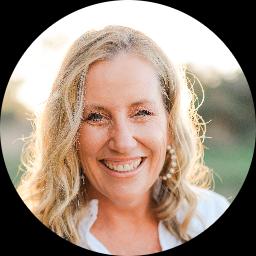
About Jamie
Jamie Pyatt is a Licensed Clinical Social Worker (LCSW) with 26 years of experience. She works with people who are dealing with stress, anxiety, relationship strains, low self-esteem, and major life changes, and lists communication problems among her focus areas.
She has a long background in hospice care, child abuse intervention, and spent 13 years as an adoption facilitator. That range of roles means she has worked with loss, family transition, and medical-related concerns in practical, hands-on settings.
In sessions she talks with clients about the patterns that lead to repeated conflicts and missed conversations. She uses evidence-based techniques to help people learn clearer ways to say what they need and to manage stress when tensions rise. Sessions tend to be straightforward and focused on what matters most in daily life.
Jamie meets people where they are and works with individuals, couples, and teenagers according to the biography. She draws on experience supporting caregivers, people facing fertility or end-of-life issues, and those navigating blended family or adoption-related challenges.
Clients can expect practical steps they can try between sessions, and discussions about how to shift communication habits over time. She encourages steady progress rather than quick fixes, and frames therapy as a collaboration toward clearer conversations and more manageable stress.
Approaches and how online sessions fit into care
Jamie draws on evidence-based therapeutic techniques that teach clear communication and stress skills. One approach focuses on practical communication skills - it breaks down how to express needs, set boundaries, and respond differently in recurring arguments. That work helps with partners, family tensions, and workplace conflicts. Another approach centers on stress and anxiety management - it offers short tools to reduce arousal, improve focus, and make difficult conversations easier to start.Finding the right approach is part of the work. The therapist will talk with each person about goals, preferences, and what feels doable. Together they decide which techniques to try and when to adjust methods based on progress and daily life demands.
Confirm current session options before booking so you know how she schedules sessions. Online therapy can make it easier to fit appointments into a routine, reduce travel time, and allow shorter check-ins when a full session is not needed. It can also help people join from a quieter place, or avoid commuting on a busy day. Check the booking flow for specifics about formats and how to schedule your first session.
Areas of expertise
Primary focus
Additional focus areas
Experience
26+ years
Credentials
California, Utah
Languages
English
Frequently asked questions
What concerns does she work with?
She works with stress, anxiety, relationship strain, self-esteem, and coping with life changes. Communication problems are listed among her focus areas.
What is her therapeutic style?
She uses evidence-based therapeutic techniques and focuses on practical skills for clearer communication and stress management. Sessions emphasize concrete steps to try between meetings.
How much clinical experience does she have?
She has 26 years of experience, including work in hospice care, child abuse intervention, and 13 years as an adoption facilitator.
What are her credentials and where is she based?
She is an LCSW licensed in Utah and California and practices from California.
Which languages are sessions offered in?
Sessions are offered in English.
Does she work with international clients?
She does not accept international clients.
How are fees handled?
Cost varies with location and sessions use a subscription that can be canceled at any time.
How do I begin working with her?
Select the See online therapy options button, complete a short matching questionnaire, and schedule a first session.
Online talk therapy is not emergency care, and no counselor can promise how a conversation or a relationship will turn out. If you feel unsafe, call or text 988, or call 911. Crisis information