- Stress and anxiety
- CBT and mindfulness
- Gottman techniques
About Darlene
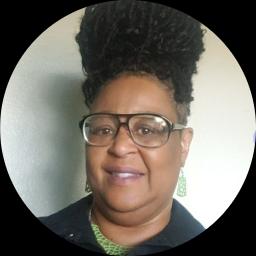
Darlene Shipp-Estes is a California licensed marriage and family therapist (LMFT) with 10 years of professional experience. She works with people dealing with stress, anxiety, addictions, trauma and abuse, anger, and depression. She also focuses on communication problems, caregiver stress, impulse control, mood and panic concerns, and feelings of guilt or isolation.
Darlene uses straightforward conversation to help clients clarify what is happening in their lives. Sessions tend to focus on practical steps, behavior changes, and clearer communication rather than long abstract talk. She adapts her approach to each person and draws on several methods to suit different needs.
Her work combines client-centered listening with cognitive behavioral techniques. That means she listens for what matters to the client, then helps identify thoughts and actions that keep problems going. She also uses mindfulness practices to reduce reactivity and elements of motivational interviewing when people want to change habits like substance use.
For relationship-related communication issues she includes techniques from the Gottman Method to help people notice patterns and try different ways of speaking and responding. Sessions usually move from identifying patterns to small, testable changes that people can try between meetings.
Darlene conducts sessions in English and is based in California. Costs vary by location and sessions use a subscription model that can be canceled at any time. To start, prospective clients complete a short matching questionnaire and schedule a first session.
How her approaches translate to online sessions
Client-Centered Therapy emphasizes listening and reflecting back what a person says to help them find their own solutions. It is useful for people who need help clarifying feelings and setting personal goals. Cognitive Behavioral Therapy (CBT) focuses on identifying thoughts and behaviors that keep problems going and practicing concrete behavior changes. It is often used for anxiety, depression, and panic symptoms. The Gottman Method offers practical communication tools and small exercises aimed at changing interaction patterns that cause repeated conflict.Finding the right mix of methods is part of the work. The therapist will collaborate with each client to pick approaches based on the client’s goals, the problems they bring, and how they prefer to work. That plan can be adjusted over time as progress and preferences become clearer.
Session formats are not specified in the biography, so confirm current options before booking. Online sessions can make it easier to fit therapy around work, childcare, or travel. They also allow for shorter check-ins when needed, and for using screen-sharing or guided exercises during the meeting to practice new communication skills.
Areas of expertise
Primary focus
Additional focus areas
Therapeutic approaches
Experience
10+ years
Credentials
California
Languages
English
Frequently asked questions
What concerns does she help with?
She works with stress, anxiety, addictions, trauma and abuse, anger, and depression. Communication problems and caregiver stress are among her additional focus areas.
How would you describe her therapeutic style?
She uses direct, practical conversation that focuses on behavior and communication. The approach blends listening with exercises to try between sessions.
How much experience does she have?
She has 10 years of professional experience as a therapist in clinical settings.
What are her credentials and location?
She is a California LMFT working from California; the credential shown is LMFT.
Which languages are supported?
Sessions are offered in English.
Does she work with international clients?
She is not currently accepting international clients.
How does billing and cost work?
Cost varies with location and services; sessions use a subscription that can be canceled at any time.
What are the steps to begin?
Start by selecting the See online therapy options button, complete a short matching questionnaire, and schedule a first session.
Online talk therapy is not emergency care, and no counselor can promise how a conversation or a relationship will turn out. If you feel unsafe, call or text 988, or call 911. Crisis information