- Stress and anxiety
- Addictions and recovery
- Communication problems
About Brian
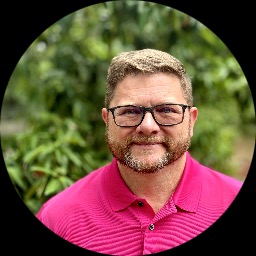
Brian Morgan is a Licensed Mental Health Counselor (LMHC) in Florida with four years of professional experience. He helps people manage stress, anxiety, addictions, trauma and abuse, bipolar disorder, and depression. He lists communication problems among his additional focus areas and supports people facing relationship tensions and repeated arguments.
He takes a direct, practical approach in sessions. He listens for patterns that keep causing the same conflicts. Then he works with clients to try simple, workable changes in how they speak and respond. Sessions focus on what to say, how to say it, and small behavior shifts that change interactions at home or work.
Brian aims to make each conversation straightforward and goal-oriented. He talks through triggers, coping steps, and ways to reduce escalation during hard talks. He also helps people dealing with substance use, impulsivity, and feelings of emptiness or isolation.
His background centers on real-world problems rather than technical language. He draws on evidence-based therapeutic techniques and practical exercises people can use between sessions. Those tools are used to reduce symptoms and improve daily routines that affect mood and behavior.
To begin, a person completes a short matching questionnaire and schedules a first session. Brian accepts international clients and conducts work in English. Costs vary with location and use a subscription that can be canceled at any time.
How evidence-based techniques are used in online sessions
Brian uses evidence-based therapeutic techniques to address patterns that drive conflict and distress. One common approach focuses on identifying unhelpful thinking and practicing alternative responses; this helps with anxiety, depression, and moments when conversations escalate. Another approach emphasizes behavioral experiments and small changes in interaction habits to test what actually alters outcomes; this is useful for communication problems, impulsivity, and substance-related patterns.Finding the right approach is part of the work. The therapist will review symptoms, goals, and preferences and then suggest which techniques to try. Clients and the therapist decide together whether to continue, adapt methods, or try different tools based on what helps most.
Practical benefits of working online include easier fitting of sessions into a busy life and fewer logistics around travel. Some people prefer shorter check-ins or phone-based conversations when bandwidth or being on camera is difficult. The biography does not list specific online formats, so confirm available session types before booking to make sure they match your schedule and needs.
Areas of expertise
Primary focus
Additional focus areas
Experience
4+ years
Credentials
Florida
Languages
English
Frequently asked questions
What concerns does he address?
He works with stress, anxiety, addictions, trauma and abuse, bipolar disorder, and depression, plus related issues like communication problems and family of origin concerns.
How would you describe his therapeutic style?
His style is practical and direct, focusing on clear communication skills, behavior changes, and exercises clients can use between sessions.
How much clinical experience does he have?
He has four years of professional work experience as a counselor in clinical settings.
What are his credentials and where is he based?
He is a Florida Licensed Mental Health Counselor (LMHC) practicing from Florida.
Which languages are supported?
Sessions are offered in English, and he accepts international clients.
What session formats are available?
The original biography does not list specific session formats; please confirm current session options before booking.
How does pricing work?
Cost varies with location and sessions use a subscription model that can be canceled at any time.
How do I start a first session?
Choose the See online therapy options button, complete a short matching questionnaire, and schedule a first session.
Online talk therapy is not emergency care, and no counselor can promise how a conversation or a relationship will turn out. If you feel unsafe, call or text 988, or call 911. Crisis information