- Communication skills
- Anger management
- Panic support
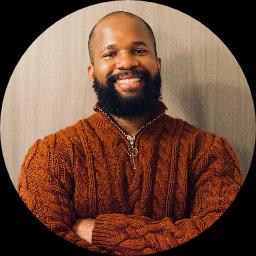
About Victor
Victor Bien is an LPC, Licensed Professional Counselor, and an LPC-MH in South Dakota with three years of clinical experience. He helps people manage stress, anxiety, relationship difficulties, grief, anger, and depressive symptoms. Victor also focuses on communication problems, impulsivity, isolation, and questions about life purpose. He works with men's issues, mood disorders, panic attacks, post-traumatic stress, self-love, and social anxiety.
In sessions he listens, asks focused questions, and helps people say what they need to say. He outlines clear steps you can try between meetings and checks progress together. Conversations are direct and practical, aimed at changing patterns that keep repeating.
His approach starts by clarifying what matters most to the client. He then maps small, concrete goals and techniques to reach them. Expect straightforward talk about communication habits, emotional triggers, and ways to manage intense reactions.
Victor draws on evidence-based methods to help with panic, intrusive memories, and persistent low mood. He guides breathing and grounding skills for panic, and problem-focused work for relationship strain. He also supports building everyday routines that reduce isolation and improve mood.
Before a first session he asks about current concerns and what you hope to change. That helps set a short-term plan and practical steps for early progress. If you want to work on saying difficult things better, he focuses on skills that make conversations clearer and less reactive.
Therapeutic approaches and online sessions
Victor uses evidence-based techniques that target symptoms and behavior. One approach focuses on breathing, grounding, and short cognitive strategies to reduce panic and intense anxiety. These techniques teach quick, repeatable steps that help lower immediate arousal and regain control during attacks.Another area of focus is skills-based work for communication and anger. This involves rehearsing phrases, learning how to state needs clearly, and practicing conflict-calming strategies. The aim is to reduce reactive patterns and make conversations more productive.
Deciding which methods to use is collaborative. The therapist will review your goals and preferences, try different techniques, and adjust the plan based on what helps. Clients are involved in selecting approaches that fit their life and what they want to change.
Confirm the current session formats before booking, as the biography does not list specific online options. Online sessions can make it easier to fit appointments into a busy day, require less travel time, and allow shorter check-ins when that suits your schedule. Therapists can also adapt exercises for work breaks or quieter moments, which helps practice skills in everyday settings.
Areas of expertise
Primary focus
Additional focus areas
Experience
3+ years
Credentials
South Dakota
Languages
English
Frequently asked questions
What concerns does he address?
He commonly works with stress, anxiety, relationship issues, grief, anger, and depression. Communication problems and isolation are also listed focus areas.
What is his therapy style?
Sessions are practical and direct, focused on clear steps and skills. He emphasizes changing repetitive patterns and improving communication.
How much experience does he have?
He has three years of professional experience as a practicing counselor.
What credentials and location does he hold?
He holds LPC and LPC-MH credentials and is licensed in South Dakota.
Which languages are supported?
Sessions are offered in English.
Can international clients work with him?
He is not currently accepting international clients.
How are sessions paid for?
Cost varies with location and sessions use a subscription that can be canceled at any time.
How do I begin a first session?
Select the See online therapy options button, complete a short matching questionnaire, and schedule your first session.
Online talk therapy is not emergency care, and no counselor can promise how a conversation or a relationship will turn out. If you feel unsafe, call or text 988, or call 911. Crisis information