- CBT methods
- Mindfulness practice
- Solution-focused work
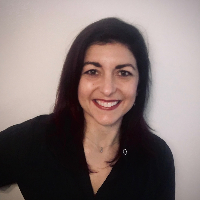
About Susan
Susan Shafer is a Licensed Clinical Mental Health Counselor (LCMHC) and a Licensed Professional Counselor (LPC) with 15 years of experience. She works with people facing anxiety, depression, life transitions, grief, ADHD, trauma-related difficulties, and related concerns such as communication problems and relationship strain.
Susan uses a mix of practical psychotherapy approaches. She draws on client-centered methods to prioritize a person's perspective and uses cognitive behavioral techniques to identify and change unhelpful thinking and behavior. Mindfulness practices and breath work are part of sessions when they fit a client's goals.
Her background includes a Master’s degree in Community Counseling from the University of North Carolina-Charlotte and a history of work across school, clinic, and community settings. Susan has supported children, adolescents, adults, and families in a range of situations, and she brings that variety into how she plans sessions.
In session she pairs talk therapy with experiential tools. That can include guided mindfulness, breathing and movement exercises, and skills practice aimed at reducing stress and improving sleep, mood, and focus. She also uses solution-focused methods to set small, achievable goals and motivational interviewing to build readiness for change.
Susan sometimes integrates Emotional Freedom Techniques, also called tapping, as a tool to address stress and difficult memories. She frames this alongside other methods so clients can compare approaches and pick what helps them most.
Therapeutic approaches used in online sessions
Client-centered therapy focuses on the client's perspective and promotes clear communication by letting people describe what matters most. It is useful when someone feels stuck or unheard and wants to learn to state needs more directly.Cognitive Behavioral Therapy (CBT) targets the links between thoughts, feelings, and behavior. Sessions often involve identifying unhelpful thought patterns, practicing alternative responses, and setting small behavioral experiments to change recurring arguments or anxiety-driven reactions.
Mindfulness therapy introduces brief attention and breathing practices to reduce stress and improve emotional regulation. These exercises can help with sleep, anger, and staying present during difficult conversations.
Finding the right mix of methods is part of the work. The therapist collaborates with each person to decide which approaches to try, adjusting methods as goals and preferences become clearer. This makes sessions practical and focused on specific communication or coping goals.
Session formats are not specified in the biography, so confirm the current options before booking. Many people find online sessions helpful because they fit into daily schedules more easily, reduce travel time, and can allow shorter check-ins when time is limited. Others prefer approaches that include movement or breathing practice, which can also be adapted to remote sessions.
Areas of expertise
Primary focus
Also works with
Additional focus areas
Therapeutic approaches
Experience
15+ years
Credentials
North Carolina, New Jersey
Languages
English
Frequently asked questions
What concerns does she help with?
She helps people with anxiety, depression, trauma-related issues, stress, ADHD, grief, relationship and communication problems, and related mood and life-change concerns.
What is her therapeutic approach?
Her work blends client-centered listening with cognitive behavioral techniques, mindfulness, motivational interviewing, and solution-focused strategies to address thinking, behavior, and practical coping.
How much experience does she have?
She has 15 years of clinical experience working in school, clinic, and community settings with a broad range of age groups and concerns.
What credentials and location are listed?
She holds the credentials LCMHC and LPC and is based in New Jersey with credentials noted for NC LCMHC and NJ LPC.
Which languages are supported?
Sessions are offered in English.
Are international clients accepted?
International clients are not currently accepted.
How does pricing work?
Cost varies with location and sessions use a subscription model that can be canceled at any time.
How do I begin a first session?
Select the See online therapy options button, complete the short matching questionnaire, and schedule a first session.
Online talk therapy is not emergency care, and no counselor can promise how a conversation or a relationship will turn out. If you feel unsafe, call or text 988, or call 911. Crisis information