- CBT
- DBT skills
- Motivational Interviewing
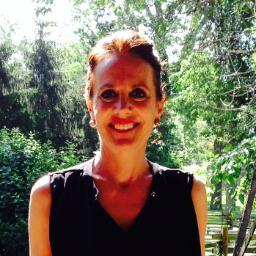
About Susan
Susan Briggs is a Licensed Professional Counselor (LPC) in Pennsylvania with 15 years of clinical experience. She helps people who struggle with stress, anxiety, relationship difficulties, trauma and abuse, low self-esteem, and depression. She also focuses on caregiver stress, communication problems, control issues, guilt and shame, and isolation.
Susan uses straightforward conversation to identify what matters most to each person. Sessions are practical and goal-oriented. She listens without judgement and works with clients to name unhelpful patterns and try different ways of responding.
Her approach draws on several evidence-based methods. Cognitive Behavioral Therapy (CBT) helps people notice unhelpful thoughts and test them against real-life results. Dialectical Behavior Therapy (DBT) techniques are used to build emotional regulation and reduce reactivity in tense moments. Client-Centered Therapy keeps the client's perspective central while shaping next steps together.
Susan also uses Motivational Interviewing to help people find reasons to change and Narrative Therapy to examine the stories people tell about themselves. These methods are combined into clear, step-by-step plans rather than abstract theory. The focus is on actions clients can try between sessions to see what works.
People who come to her often want help saying what they need, stopping repeated arguments, or coping after a loss or violation. She encourages small experiments in communication and behavior to break cycles and build confidence.
Therapeutic approaches and remote sessions
Clients will often encounter a mix of practical methods during online work. Cognitive Behavioral Therapy (CBT) is about spotting unhelpful thoughts and testing new ways of thinking, which helps with anxiety, low mood, and repetitive negative patterns. Dialectical Behavior Therapy (DBT) focuses on building skills for managing intense emotions and reducing reactive behavior in stressful conversations. Client-Centered Therapy prioritizes the person's perspective and choices, so goals and pace are decided together.Finding the right approach is part of the work. Susan will talk with each person about their needs, goals, and preferences and then suggest which methods to try. That choice is revisited as progress is tracked and adjustments are needed.
Session formats are not specified in the biography, so confirm current online session options before booking. Online sessions can make it easier to fit therapy into a busy day, allow shorter check-ins when needed, and reduce travel time. Many people find that practical skill practice, communication exercises, and homework tasks translate well to remote sessions, and a therapist can suggest how to adapt exercises so they fit daily life.
Areas of expertise
Primary focus
Additional focus areas
Therapeutic approaches
Experience
15+ years
Credentials
Pennsylvania
Languages
English
Frequently asked questions
What concerns does she address?
Susan works with stress, anxiety, relationship issues, trauma and abuse, self-esteem, and depression. She also focuses on caregiver stress, communication problems, control issues, guilt and shame, isolation, life purpose, midlife concerns, social anxiety, and women's issues.
What is her therapeutic style?
She uses a practical, conversational style that centers the client's goals. Techniques come from client-centered work, CBT, DBT, motivational interviewing, and narrative therapy.
How much experience does she have?
She has 15 years of professional work experience in counseling with adults.
What credentials and region are listed?
She is a Licensed Professional Counselor (LPC) licensed in Pennsylvania.
Which languages are supported?
Sessions are offered in English.
Can international clients work with her?
She is not currently accepting international clients.
How are sessions priced?
Cost varies with location and sessions use a subscription model that can be canceled at any time.
How do I begin a first session?
Select the See online therapy options button, complete the short matching questionnaire, and schedule a first session.
Online talk therapy is not emergency care, and no counselor can promise how a conversation or a relationship will turn out. If you feel unsafe, call or text 988, or call 911. Crisis information