- CBT techniques
- Narrative therapy
- Solution-focused work
About Stephanie
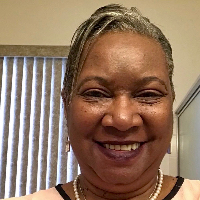
Stephanie Speller-Henderson is a Licensed Clinical Mental Health Counselor (LCMHC) in North Carolina with 19 years of experience. She works with adults on stress, anxiety, relationship concerns, family difficulties, trauma and abuse, and depression. She also addresses communication problems, attachment issues, caregiver stress, and workplace challenges.
She trained in community counseling and pastoral care and counseling, and she has led workshops about compassion for people living with HIV and AIDS. Her background includes counseling in emergency rooms, community centers, schools, churches, and both group and independent practice settings. She also facilitated a marital enrichment program called Life Innovations Prepare and Enrichment.
Her practice uses an integrated approach. She combines Client-Centered ideas with Cognitive Behavioral Therapy and other methods to match the situation. That means talking about thoughts and behaviors, then practicing different ways to respond in daily life.
In sessions she helps clients set clear goals and picks techniques from a range of options. Examples include cognitive restructuring, relaxation training, behavioral assignments, role play, and work on family patterns. She explains techniques and asks the client to be involved in choosing goals and steps.
Stephanie expects clients to take responsibility for applying what they learn between sessions. She uses assessment to guide treatment and adjusts methods as progress is made. The focus is practical - changing habits that keep problems repeating and improving how people communicate and relate to others.
How Stephanie applies therapy approaches and online sessions
Stephanie commonly draws on Cognitive Behavioral Therapy and Client-Centered Therapy when working with clients. CBT looks at how thoughts influence feelings and behaviors and uses practical techniques such as cognitive restructuring, behavior experiments, and relaxation training to change patterns. Client-Centered Therapy focuses on the therapeutic relationship and supports clients in clarifying their goals and making their own decisions.She also uses Narrative Therapy to help people reframe the stories they tell about themselves. That approach can be useful for relationship patterns, family of origin issues, and moving past trauma by separating a person from a problem in how they describe it. The therapist and client work together to decide which methods fit best for the concerns and goals at hand.
Online sessions can make it easier to fit counseling into a busy week and reduce travel time. Confirm the current session options before booking since specific formats are not listed in her biography. Talk with her about which approach and session setup would work best for your schedule, whether you need shorter check-ins, help fitting sessions around work, or a format that reduces time spent traveling.
Areas of expertise
Primary focus
Additional focus areas
Therapeutic approaches
Experience
19+ years
Credentials
North Carolina
Languages
English
Frequently asked questions
What concerns does she help with?
She helps adults with stress, anxiety, relationship and family problems, trauma and abuse, and depression. Communication problems and caregiver stress are also listed areas of focus.
What is her therapy style?
She uses an integrated approach that combines Client-Centered care with Cognitive Behavioral Therapy, Narrative and Solution-Focused ideas. Techniques are chosen to fit the client's goals and situation.
How much clinical experience does she have?
She has 19 years of counseling experience working in settings such as emergency rooms, schools, community centers, churches, group work, and independent practice.
What are her credentials and where is she based?
She holds the credential LCMHC and is licensed in North Carolina.
What languages are sessions offered in?
Sessions are offered in English.
Can international clients work with her?
She is not currently accepting international clients.
How are sessions scheduled and what is the cost model?
Session cost varies with location and uses a subscription that can be canceled at any time.
How do I begin working with her?
Select the See online therapy options button, complete a short matching questionnaire, and schedule a first session.
Online talk therapy is not emergency care, and no counselor can promise how a conversation or a relationship will turn out. If you feel unsafe, call or text 988, or call 911. Crisis information