- Stress management
- Communication skills
- ADHD support
About Sarah
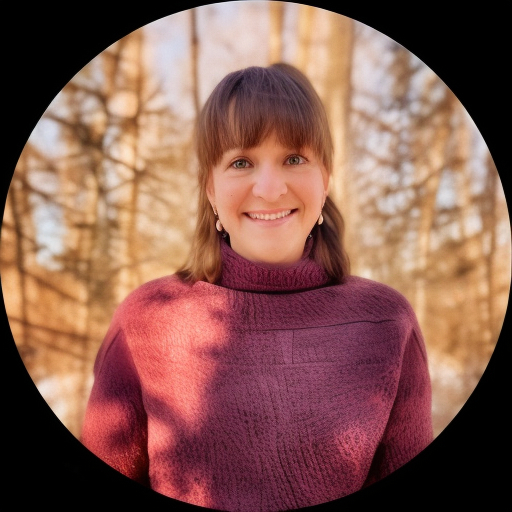
Sarah Walter is an LCPC (Licensed Clinical Professional Counselor) practicing in Montana with three years of experience. She works with people facing stress, anxiety, low self-esteem, depression, ADHD, and life changes, and lists communication problems among her focus areas.
Sarah helps clients learn clearer ways to say what they need. She guides conversations about social anxiety, relationships, and recurring arguments. Sessions emphasize practical skills rather than long theory talks.
Her work draws on evidence-based therapeutic techniques to address mood, panic, and self-worth. She also supports people dealing with attachment concerns, abandonment, body image, and feelings of emptiness. Sessions can include step-by-step exercises and repeated practice to build new habits.
Sarah pays attention to neurodiversity and offers help for people with ADHD and autism or Asperger syndrome. She also notes experience with hospice and end-of-life counseling, impulsivity, and intellectual disability related concerns. That background shapes how she structures conversations and pacing.
People can expect a collaborative style focused on skills for communication and coping. She helps clients try new ways of speaking up, managing stress, and organizing day-to-day tasks. To begin, readers are invited to use the site’s matching flow to schedule an initial meeting and see which session options are available.
How evidence-based methods translate to online sessions
Evidence-based therapeutic techniques focus on teaching practical skills and changing patterns of behavior and thought. For example, cognitive strategies help people notice unhelpful thinking and try alternative, clearer ways to talk about needs. These techniques are useful for anxiety, low mood, and repetitive communication problems.Behavioral strategies emphasize practice and small experiments. That can mean rehearsing a difficult conversation, testing new boundaries, or building routines to manage ADHD symptoms. These hands-on methods aim to make changes feel doable in everyday life.
Choosing the right approach is part of the work together. The therapist will review goals, preferences, and what has or hasn’t worked before, and then suggest methods to try. Decisions about techniques are made collaboratively and can be adjusted over time.
Confirm the specific session formats before booking since the profile does not list them. Online sessions can make fitting therapy into a busy week easier by reducing travel time, allowing shorter check-ins when needed, and offering options that avoid being on camera if that feels difficult. These practical benefits help people keep therapy aligned with daily responsibilities.
Areas of expertise
Additional focus areas
Experience
3+ years
Credentials
Montana
Languages
English
Frequently asked questions
What concerns does she help with?
She works with stress, anxiety, self-esteem, depression, ADHD, life changes, and related areas such as communication problems and attachment issues.
How would you describe her therapeutic style?
Her approach is collaborative and skills-focused, using evidence-based techniques to practice communication and coping strategies in session.
How much clinical experience does she have?
She has three years of experience as an LCPC working with people on mood, anxiety, and communication concerns.
What credential does she hold and where is she based?
She holds the LCPC credential and is based in Montana.
Which languages are supported?
Sessions are offered in English.
Can international clients work with her?
She is not accepting international clients at this time.
How are session costs handled?
Cost varies with location and sessions use a subscription model that can be canceled at any time.
How do I begin a first session?
Use the See online therapy options button, complete the short matching questionnaire, and schedule a first session through the platform.
Online talk therapy is not emergency care, and no counselor can promise how a conversation or a relationship will turn out. If you feel unsafe, call or text 988, or call 911. Crisis information