- Relationship issues
- Anger and trauma
- Communication skills
About Reginald
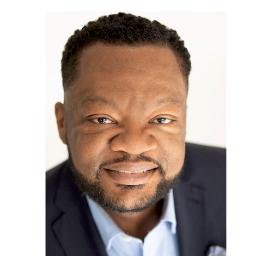
Reginald Jefferson is a Licensed Professional Counselor (LPC) and a Licensed Marriage and Family Therapist (LMFT) in Texas with 20 years of clinical experience. He works with people facing relationship and family problems, trauma and abuse, anger, and depression. He also focuses on communication problems, forgiveness, guilt and shame, isolation and loneliness, panic, and social anxiety. Reginald uses practical, straightforward methods to help people say what they need and break repeating patterns of conflict.
In sessions he treats conversations as skills that can be learned. He listens for what keeps arguments restarting and helps people practice different ways to show concerns and set boundaries. Sessions often include role practice and short behavioral steps to try between meetings so progress is visible and usable.
Reginald frames a client's experience as an asset. He asks about strengths, past coping, and real-life constraints before suggesting changes. This keeps recommendations focused on what a person can actually try day to day rather than theory alone.
His work is direct but respectful. He encourages clear speech about needs and expectations, and he helps people reduce shame or guilt that blocks honest talk. For someone avoiding hard conversations or stuck in the same fights, he offers concrete skills and steady feedback.
Reginald sees the practical side of therapy: what to say differently, how to take small steps after a session, and how to rebuild trust in conversations. He practices in Texas and offers services in English. To begin, people are asked to complete an intake questionnaire and schedule a first session.
Therapeutic approaches and online session planning
Reginald works with evidence-based therapeutic techniques that focus on skills and behavior change. One common approach helps people learn and practice clearer communication skills through role practice and real-life rehearsals so conversations feel less threatening and more constructive. Another method concentrates on managing strong emotions like anger and panic by teaching short, practical strategies to reduce reactivity and regain control in heated moments.Choosing the right approach is part of the work. He will review your goals, what has or has not helped before, and your daily constraints, and then recommend techniques to try together. The plan is collaborative and may change as you test new ways of talking and behaving.
Session format details should be confirmed before booking since the biography does not list specific formats. In general, online appointments can make it easier to fit therapy into a busy schedule, reduce travel time, and allow for shorter or more frequent check-ins when useful. Ask about the available session types when you complete the matching questionnaire so you can pick what fits your routine.
Areas of expertise
Primary focus
Additional focus areas
Experience
20+ years
Credentials
Texas
Languages
English
Frequently asked questions
What kinds of problems does he help with?
He works with relationship and family problems, trauma and abuse, anger, and depression. He also focuses on communication problems, forgiveness, guilt and shame, isolation, panic, and social anxiety.
What is his therapeutic style?
He uses practical, skills-focused work that includes role practice and behavioral steps to try between sessions. The emphasis is on learning clearer ways to communicate and changing patterns that lead to repeat conflict.
How much experience does he have?
He has 20 years of professional experience working with the concerns listed in his profile.
What credentials and location are listed?
He is an LPC and an LMFT licensed in Texas and practices in Texas.
Which languages are supported?
Sessions are offered in English.
Can people outside the U.S. work with him?
International clients are accepted; check any local regulations that may apply where you live.
How does payment work?
Cost varies with location and sessions use a subscription that can be canceled at any time.
How do I get started?
Select the See online therapy options button, complete a short matching questionnaire, and schedule a first session.
Online talk therapy is not emergency care, and no counselor can promise how a conversation or a relationship will turn out. If you feel unsafe, call or text 988, or call 911. Crisis information