- communication skills
- anxiety and panic
- workplace issues
About Rachelle
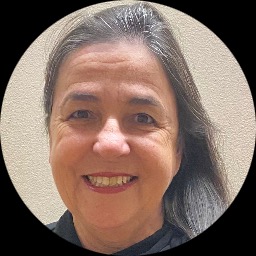
Rachelle Salerno is a Licensed Clinical Social Worker (LCSW) in California with 26 years of practice. She helps people manage stress, anxiety, relationship concerns, trauma and abuse, low self-esteem, and depression. She also focuses on communication problems, divorce and separation, life purpose, panic, and workplace issues.
Rachelle uses straightforward conversation to uncover what matters most to each person. Sessions involve talking through current problems, noticing patterns, and trying practical ways to respond differently. She encourages small, realistic steps clients can use between sessions to test new approaches.
Her work emphasizes clear communication and skill-building. That can mean practicing how to say difficult things, learning ways to calm panic or anxiety, or spotting self-critical thoughts that get in the way. Rachelle often guides people through coping skills for intense feelings and helps them build confidence to make changes.
She draws on many evidence-based therapeutic techniques to match the problem at hand. The focus is on what is useful now - reducing overwhelm, managing panic attacks, or improving everyday interactions at home or work. Sessions are practical and oriented toward real-life results.
People meeting her for the first time can expect a direct, respectful approach that clarifies goals and sets simple next steps. Rachelle works in English in California and asks prospective clients to confirm current session options before booking.
Therapeutic approaches and working online
Many evidence-based techniques focus on short-term, practical change. Cognitive approaches help people notice unhelpful thoughts and test new ways of thinking to reduce anxiety and rumination. Skills-based methods teach tools for calming panic, handling strong emotions, and improving everyday communication with others.Another common approach involves practicing communication in session. That means rehearsing phrases, trying different tones or wording, and reflecting on responses so people can use those skills outside of therapy. These practices are useful for relationship friction, workplace conversations, and difficult family talks.
Finding the right mix of approaches is part of the work. The therapist will collaborate with clients to figure out which techniques match their goals and preferences. This is an ongoing decision that can change as progress is made.
Confirm the current session options before booking so you know what formats are offered. Online work can make it easier to fit sessions into a busy week, reduce travel time, and allow shorter check-ins when schedules are tight. Some formats may be better for quieter conversations while others suit brief updates or phone-based check-ins, so check available options and choose what fits daily life best.
Areas of expertise
Primary focus
Additional focus areas
Experience
26+ years
Credentials
California
Languages
English
Frequently asked questions
What kinds of concerns does she address?
She works with stress, anxiety, relationship issues, trauma and abuse, self-esteem, and depression. Additional focus areas include communication problems, divorce and separation, panic, post-traumatic stress, self-love, social anxiety, and workplace issues.
What is her therapy style like?
Her approach is conversational and practical. Sessions focus on clear communication, skill-building, and small steps clients can try between meetings.
How much experience does she have?
She has 26 years of professional work experience as a clinician.
What credential does she hold and where does she practice?
She is a California LCSW and practices in California.
Which languages are supported?
Sessions are offered in English.
Does she work with international clients?
She is not currently accepting international clients.
How is cost handled?
Cost varies with location and sessions use a subscription that can be canceled at any time.
How do I get started scheduling a session?
Select the See online therapy options button, complete a short matching questionnaire, and schedule a first session.
Online talk therapy is not emergency care, and no counselor can promise how a conversation or a relationship will turn out. If you feel unsafe, call or text 988, or call 911. Crisis information