- Stress and anxiety
- Addiction support
- Communication help
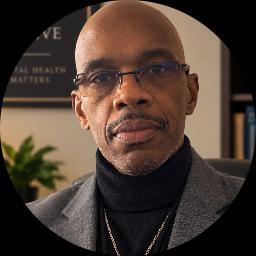
About Patrick
Patrick Scott is an LPC - Licensed Professional Counselor in Connecticut with 20 years of clinical experience. He helps people who are stressed, anxious, dealing with addictions, facing relationship problems, or coping with depression and life changes. He also focuses on codependency, communication problems, drug and alcohol addiction, infidelity, men's issues, and midlife concerns.
He approaches sessions in a straightforward, practical way. Conversations are focused on what is happening now and on small changes that make daily life easier. He encourages clear, direct communication and helps people practice saying what they need in real situations.
Patrick draws on evidence-based therapeutic techniques to address patterns that keep repeating. Sessions often include problem-solving, goal setting, and skill practice to manage anxiety, cravings, or tense conversations. He also helps people recognize old habits that get in the way of better connections with others.
He works collaboratively with each person to develop concrete steps they can try between sessions. Progress is measured by changes in how people handle stress, respond to triggers, and talk about difficult topics. The focus is on practical skills rather than lengthy theory.
Patrick’s background across two decades means he has worked with many adults at different life stages. He offers straightforward guidance and steady feedback during sessions. Before booking, confirm current session options and formats to ensure they fit personal needs.
Therapeutic approaches and how online sessions fit them
Evidence-based therapeutic techniques often used in this kind of work include cognitive-behavioral approaches, which focus on identifying unhelpful thoughts and testing new ways of thinking and behaving to reduce anxiety and depressive symptoms. These methods help people notice patterns and try practical alternatives in daily life.Another common approach is skills-based work for communication and relapse prevention. This involves practicing concrete skills such as setting boundaries, making clear requests, managing cravings, and rehearsing difficult conversations so they feel more manageable in real situations.
Finding the right mix of approaches is part of the process. The therapist will work collaboratively with the client to choose techniques that match goals, needs, and preferences, and will adjust methods as progress is made.
The biography does not specify session formats, so confirm current online options before booking. Online work can make it easier to fit therapy into a busy week, reduce travel time, and allow shorter check-ins when needed. It can also let people practice skills in contexts closer to their everyday lives. If you need details about video or phone sessions, check the available options when you schedule.
Areas of expertise
Primary focus
Additional focus areas
Experience
20+ years
Credentials
Connecticut
Languages
English
Frequently asked questions
What concerns does he address?
He works with stress, anxiety, addictions, relationship issues, depression, and coping with life changes, plus focused areas like codependency and communication problems.
What is his approach in sessions?
He uses practical, evidence-based techniques that emphasize clear communication, problem solving, and skill practice in everyday situations.
How much experience does he have?
He has 20 years of professional experience working with adults on a range of concerns.
What are his credentials and location?
He is an LPC - Licensed Professional Counselor licensed in Connecticut.
Which languages and international options are available?
Sessions are offered in English and he accepts international clients.
What session formats are offered?
The original biography does not list specific session formats; confirm current session options before booking.
How does pricing work?
Cost varies with location and sessions use a subscription that can be canceled at any time.
How do I begin working with him?
Select the See online therapy options button, complete a short matching questionnaire, and schedule a first session.
Online talk therapy is not emergency care, and no counselor can promise how a conversation or a relationship will turn out. If you feel unsafe, call or text 988, or call 911. Crisis information