- Client-Centered Therapy
- Cognitive Behavioral Therapy
- Solution-Focused Therapy
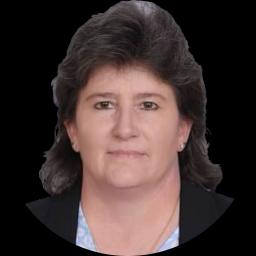
About Nancy
Nancy McGraw is a Licensed Clinical Social Worker (LCSW-R) in New York with 25 years of experience. She works with people facing depression, anxiety, stress, grief, and compassion fatigue. She also addresses communication problems and life changes in straightforward, practical sessions.
McGraw helps adults who are coping with chronic illness, caregiving strain, or the loss that comes with end-of-life care. She also supports people managing panic attacks, postpartum depression, and questions about life purpose. Sessions focus on clear strategies rather than jargon-filled explanations.
Her practice uses client-centered methods to listen first, then draw on cognitive behavioral techniques to spot unhelpful thoughts. Solution-focused tools help people set small, achievable goals between meetings. The aim is to leave each session with one or two practical steps to try.
McGraw has long experience with veterans and workplace stress, and she is familiar with issues that come with aging and caregiving. She explains options in plain language and helps people weigh what might work best for them. Conversations are practical and goal-oriented when that fits the person's needs.
People considering therapy will find sessions oriented toward improving everyday functioning. The focus is on building coping skills for both sudden changes and ongoing challenges. To begin, clients follow the site process to choose online therapy options and schedule a first meeting.
How Nancy McGraw uses client-centered and CBT approaches online
Client-Centered Therapy places the client's experience first. The therapist listens and reflects to help people clarify feelings and priorities. This approach helps when someone needs space to sort through grief, life changes, or caregiving strain.Cognitive Behavioral Therapy (CBT) focuses on identifying unhelpful thoughts and testing them with small behavioral experiments. It can help reduce panic symptoms, manage anxiety, and shift patterns that worsen depression. Solution-Focused Therapy concentrates on practical next steps and short-term goals to create forward movement in daily life.
Finding the right mix of approaches is part of the work. The therapist will talk with each person about their goals and preferences, and then try methods that fit those aims. That collaboration lets the plan evolve as progress is made.
The biography does not list specific online session formats, so confirm current options before booking. Online sessions can make it easier to fit therapy into a busy day, shorten check-ins when needed, or avoid travel. The focus is on practical scheduling and methods that help people use therapy in everyday life rather than on any single mode of delivery.
Areas of expertise
Also works with
Additional focus areas
Therapeutic approaches
Experience
25+ years
Credentials
New York
Languages
English
Frequently asked questions
What kinds of concerns does she address?
She works with adults on stress, anxiety, depression, grief, compassion fatigue, and related issues such as communication problems and caregiving stress.
How would you describe her therapeutic style?
Her style is person-centered and practical. She combines listening with concrete tools from cognitive behavioral and solution-focused approaches.
How much experience does she have?
She has 25 years of professional experience as a social worker in clinical settings.
What are her credentials and where is she based?
She is an LCSW-R licensed in New York and practices from that location.
Which languages are sessions offered in?
Sessions are offered in English.
Can international clients work with her?
She does not accept international clients at this time.
What session formats are used?
The original biography does not list specific session formats. Please confirm the current session options before booking.
How do fees and scheduling work?
Cost varies with location and sessions use a subscription that can be canceled at any time. To start, complete the matching questionnaire and schedule a first session.
Online talk therapy is not emergency care, and no counselor can promise how a conversation or a relationship will turn out. If you feel unsafe, call or text 988, or call 911. Crisis information