- Stress and anxiety
- Addictions support
- Communication problems
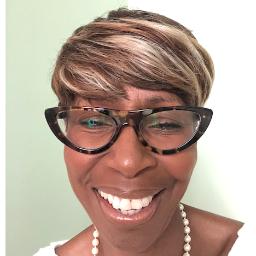
About Karen
Karen Conner-Wilson is a Licensed Clinical Social Worker (LCSW) with five years of experience. She focuses on stress, anxiety, addictions, relationship and family concerns, and helps people cope with life changes. She speaks English and practices from New York.
Karen began in social services and mental health more than a decade ago. That background included work with agencies across New York City and years addressing substance use issues. Her earlier role as a Certified Alcohol and Substance Abuse Counselor informed how she approaches addiction and recovery support.
In sessions she looks at how change and loss affect daily life. She listens for patterns that keep repeating in relationships and everyday stress. Conversations often include concrete coping skills, ways to manage panic or anxious feelings, and steps to reduce isolation.
She also addresses caregiver stress, guilt, shame, and questions about life purpose. Karen uses straightforward talk to name problems and explore practical options. She pays attention to how cultural and socioeconomic background shapes choices and stressors.
People work with her when transitions feel overwhelming or arguments keep repeating. She meets individuals where they are and focuses on what can be changed now. To begin, she asks clients to complete a short matching questionnaire and schedule a first session through the site.
Approaches used in remote sessions
Karen describes her work as drawing on evidence-based therapeutic techniques that focus on skills and behavior. One common approach is practical skills training, which teaches step-by-step strategies for managing anxiety, panic attacks, and overwhelming stress. This helps people learn what to do when symptoms arise and how to reduce immediate distress.Another frequent element is relapse prevention and support for addictive behaviors, shaped by her years addressing substance use. These methods look at triggers, coping alternatives, and small habit changes that reduce the chance of repeat harm. Both approaches emphasize concrete steps rather than abstract talk.
Finding the right approach is part of the work. Karen collaborates with each person to decide which techniques fit their situation and goals. She checks in and adapts the focus as needs evolve so the plan stays practical and relevant.
Confirm current session options before booking, as formats are not listed here. Online work can make it easier to fit meetings into a busy day, allow shorter check-ins when needed, or avoid travel time. Licensed professionals often use remote sessions to help people practice communication skills in real-life contexts and to follow up between longer appointments.
Areas of expertise
Primary focus
Additional focus areas
Experience
5+ years
Credentials
New York, Pennsylvania
Languages
English
Frequently asked questions
What kinds of concerns does she address?
She works with stress, anxiety, addictions, relationship and family concerns, and helps people cope with life changes. Communication problems and caregiver stress are also in her focus areas.
What is her therapeutic style?
Sessions emphasize practical, straightforward talk and problem solving. Karen looks for repeating patterns and teaches coping skills to manage panic, anxiety, and conflict.
How long has she been practicing?
She has five years as an LCSW and over ten years working in social services and mental health settings.
Where is she licensed and based?
She holds LCSW credentials in Pennsylvania and New York and practices from New York.
Which languages are supported?
Sessions are offered in English.
Can international clients work with her?
She does not accept international clients at this time.
How are sessions paid for?
Cost varies with location and sessions use a subscription model that can be canceled at any time.
How do I get started?
Select the See online therapy options button, complete a short matching questionnaire, and schedule a first session through the platform.
Online talk therapy is not emergency care, and no counselor can promise how a conversation or a relationship will turn out. If you feel unsafe, call or text 988, or call 911. Crisis information