- Communication skills
- Coping strategies
- Mindfulness practice
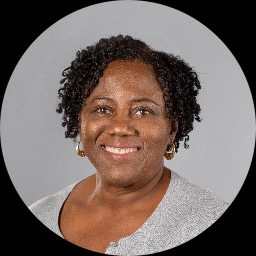
About Juliet
Juliet Daniels is a Licensed Clinical Social Worker (LCSW) with 10 years of experience practicing in Maine. She works with people facing stress, anxiety, addictions, grief, low self-esteem, depression, and relationship concerns, including communication problems.
Her background includes clinical roles in dialysis care and residential substance abuse programs. That hands-on work shaped how she approaches practical problems and everyday struggles. She uses straightforward conversation to identify what is getting in the way of better communication and calmer days.
In sessions she draws on approaches such as Acceptance and Commitment Therapy, Cognitive Behavioral Therapy, Mindfulness, Dialectical Behavior Therapy, and client-centered methods. These tools are used to help people notice difficult thoughts, try new behaviors, and build skills for handling strong emotions and recurring conflicts.
Juliet emphasizes clear, respectful dialogue and collaborative planning. She works with each person to set achievable steps and to practice skills between sessions. Her aim is to make conversations easier and reduce the anxiety that keeps people stuck.
She holds an LCSW credential in Delaware and Virginia and practices in Maine. Juliet is available to people who speak English, and she accepts international clients. To begin, readers are asked to use the site's matching and scheduling process to arrange a first session and confirm current session options.
How her approaches translate to online work
Acceptance and Commitment Therapy (ACT) helps people notice hard thoughts and choose actions that match their values. It can be useful for anxiety, stress, and for people struggling with recurring patterns like avoidance or unhelpful arguments. Cognitive Behavioral Therapy (CBT) focuses on the links between thoughts, feelings, and behaviors and offers concrete exercises to shift patterns that keep problems alive. CBT is often used for anxiety, depression, and to change unhelpful communication habits.Finding the right approach is part of the therapeutic process. The therapist will work together with each person to identify which methods fit their goals, preferences, and day-to-day life. That conversation guides how sessions are structured and which skills are practiced between meetings.
Session formats are not listed in the biography, so confirm the current options before booking. Online sessions can make it easier to fit therapy into a busy week, reduce travel time, and allow for shorter check-ins when needed. They also let people try out communication skills in real time and bring examples from home or work into the conversation. Licensed professionals can adapt exercises and practice so progress continues between sessions.
Areas of expertise
Primary focus
Also works with
Additional focus areas
Therapeutic approaches
Experience
10+ years
Credentials
Delaware, Virginia, Alaska, Maine
Languages
English
Frequently asked questions
What kinds of concerns does she address?
She works with stress, anxiety, addictions, grief, low self-esteem, depression, relationship concerns, and communication problems among other related issues.
What is her therapeutic style like?
She uses straightforward conversation and collaborative planning to set practical steps and skills for everyday life.
How much clinical experience does she have?
She has 10 years of professional experience that include work in dialysis settings and residential substance abuse programs.
What are her credentials and where does she practice?
She is an LCSW and holds DE LCSW and VA LCSW credentials; she practices in Maine.
Which languages are supported for sessions?
Sessions are offered in English.
Can people outside the US work with her?
She accepts international clients; confirm any regional details before scheduling.
How are sessions arranged and what formats are used?
Please confirm current session options before booking; the site matching and scheduling flow is used to set a first session.
How does pricing work?
Cost varies with location and sessions use a subscription that can be canceled at any time.
Online talk therapy is not emergency care, and no counselor can promise how a conversation or a relationship will turn out. If you feel unsafe, call or text 988, or call 911. Crisis information