- CBT techniques
- Client-centered approach
- Solution-focused work
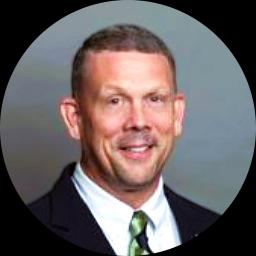
About James
James Gibson is a California licensed clinical social worker (LCSW) with 25 years of professional experience. He works with stress, anxiety, family conflict, anger, self-esteem, and coping with life changes. He also addresses related concerns such as abandonment, attachment issues, blended family challenges, and communication problems.
James approaches sessions with a focus on the person's own experience and strengths. He treats clients as the experts in their lives and listens for what matters most to them. Conversations are practical and straightforward, aimed at helping people clarify what they want and decide on workable steps.
He draws from several therapy styles to match the situation. Cognitive Behavioral Therapy is used to spot unhelpful thinking and try new responses. Client-Centered Therapy prioritizes the client's perspective and aims to build trust over time.
Motivational Interviewing helps when someone feels stuck or unsure about change. Solution-Focused Therapy supports short-term goals and small, visible progress. Psychodynamic ideas are introduced where past patterns affect present behavior.
In session, James helps people talk through difficult conversations and practice clearer ways to communicate. He also works on managing anger, rebuilding confidence, and coping with transitions like separation or changes in family roles.
To begin, people complete a short matching questionnaire and schedule a first session. Sessions use a subscription model that can be canceled at any time, and arrangements vary by location.
How his approaches translate to online care
James commonly uses Client-Centered Therapy, Cognitive Behavioral Therapy (CBT), and Motivational Interviewing in his work. Client-Centered Therapy focuses on the client's viewpoint and helps the therapist follow what matters most to the person. CBT looks at links between thoughts, feelings, and actions and teaches practical tools to change unhelpful patterns. Motivational Interviewing helps clarify ambivalence and build motivation for change in manageable steps.Choosing the right approach is part of the process. He works collaboratively to match methods to a person's needs, goals, and preferences, and adjusts plans as those needs evolve. Sessions are meant to be practical and focused on what the client wants to accomplish.
Session formats are not specified in the biography, so please confirm current options before booking. In general, online sessions can make it easier to fit therapy into a workday, allow shorter check-ins when needed, and reduce travel time. These practical benefits help people maintain momentum while they try new ways of communicating and handling stress.
Areas of expertise
Primary focus
Additional focus areas
Therapeutic approaches
Experience
25+ years
Credentials
California
Languages
English
Frequently asked questions
What kinds of concerns does he help with?
He works with stress, anxiety, family conflict, anger, self-esteem, and coping with life changes, plus related issues such as attachment, abandonment, and communication problems.
What is his general approach in sessions?
He uses a practical, person-centered style that focuses on the client's perspective and strengths while introducing skills and techniques to address current problems.
How much experience does he have?
He has 25 years of professional experience working in social work and clinical practice.
What are his credentials and where is he based?
He is a California LCSW and practices in California.
Which languages are sessions offered in?
Sessions are offered in English.
Can international clients schedule sessions?
International clients are not currently accepted.
How are sessions billed?
Sessions use a subscription that can be canceled at any time; exact fees vary with location.
How do I begin working with him?
Select the See online therapy options button, complete a short matching questionnaire, and schedule your first session.
Online talk therapy is not emergency care, and no counselor can promise how a conversation or a relationship will turn out. If you feel unsafe, call or text 988, or call 911. Crisis information