- Client-Centered Therapy
- Cognitive Behavioral Therapy
- Stress and anxiety
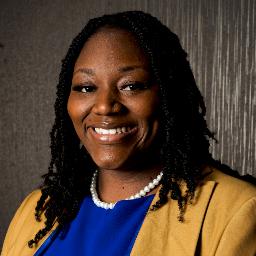
About Gracishone
Gracishone Floyd is a Licensed Professional Counselor (LPC) in Louisiana with three years of clinical experience. She works with people who are dealing with stress, anxiety, addictions, trauma and abuse, low self-esteem, and depression. She also focuses on communication problems among other relationship-related struggles.
She approaches sessions from a client-centered perspective, which means she listens first and follows the person's lead. She also uses Cognitive Behavioral Therapy (CBT) techniques to help people notice and change unhelpful thinking and behavior patterns. Sessions are practical and focused on small, achievable steps.
In the room she treats the person as the expert on their own life and looks for existing strengths to build on. Conversations often include specific strategies for coping with anxiety, managing cravings, and handling painful memories. She helps people practice new ways of talking about difficult topics.
People commonly bring issues such as blended family stress, caregiver strain, codependency, divorce and separation, domestic violence history, isolation, veteran-related concerns, phobias, and post-traumatic stress. She also addresses self-love, sexual assault and abuse recovery, matters of sexuality, and social anxiety.
Her style is straightforward and practical. She supports clients in taking concrete steps between sessions. The work is collaborative with an emphasis on translating talk into action.
How her approaches translate to online work
Client-Centered Therapy means she will listen first and shape sessions around the client's priorities. This approach helps when someone needs to talk through what matters most and decide practical next steps. Cognitive Behavioral Therapy (CBT) involves identifying unhelpful thoughts and testing small behavioral changes; it is often used for anxiety, depression, and stress-related problems.Deciding which approach to use is part of the early work. She will collaborate with the person to choose techniques that match their goals and preferences. That process may involve trying CBT exercises for a few sessions and keeping client-centered conversations to review what is or isn't working.
This therapist's session formats are not specified here, so confirm available online options before booking. Online sessions can make it easier to fit work into a busy week, allow shorter check-ins when needed, and reduce the time spent traveling. Many people find remote sessions helpful for practicing communication skills in real time and for using homework tools between meetings. Licensed professionals can adapt exercises so they remain practical and focused when done remotely.
Areas of expertise
Additional focus areas
Therapeutic approaches
Experience
3+ years
Credentials
Louisiana
Languages
English
Frequently asked questions
What concerns does she help with?
She supports people with stress, anxiety, addictions, trauma and abuse, self-esteem issues, and depression. Communication problems are also a listed focus area.
What is her therapeutic style?
Her approach is primarily client-centered, meaning she listens and follows the client's priorities, combined with CBT techniques to address thinking and behavior patterns.
How much experience does she have?
She has three years of professional work experience as an LPC in Louisiana.
What credential does she hold and where is she based?
She holds the LPC credential and practices in Louisiana.
Which languages are offered for sessions?
Sessions are offered in English.
Can international clients work with her?
She does not accept international clients at this time.
How are sessions paid for and what does it cost?
Cost varies with location and sessions use a subscription that can be canceled at any time.
How do I begin working with her?
Use the See online therapy options button, complete a short matching questionnaire, and schedule a first session.
Online talk therapy is not emergency care, and no counselor can promise how a conversation or a relationship will turn out. If you feel unsafe, call or text 988, or call 911. Crisis information