- CBT techniques
- Mindfulness practice
- Solution-focused work
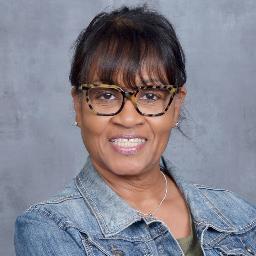
About Elizabeth
Elizabeth Sims is an LPC (Licensed Professional Counselor) in Texas with four years of clinical experience. She helps people who are dealing with stress, anxiety, depression, anger, grief, and ADHD. She also focuses on codependency, communication problems, forgiveness, impulsivity, post-traumatic stress, and women's issues.
She works in a practical, problem-focused way. Sessions concentrate on clear goals and steps a person can try between meetings. Elizabeth draws on Cognitive Behavioral Therapy to identify unhelpful thoughts and behaviors. She uses Mindfulness Therapy to build present-moment awareness and Solution-Focused Therapy to find workable changes fast.
In conversation she encourages people to describe what is not working and what they want instead. She treats people as the experts in their own lives and helps them notice strengths they already have. Small, specific changes are used to reduce repeated arguments, manage intense feelings, and improve everyday communication.
Her background includes four years of hands-on counseling with adults in Texas. That time has involved helping people cope with loss, manage anger, and reduce anxiety symptoms. Practical exercises and short skill-building tasks are common parts of sessions.
People can expect a straightforward approach that focuses on measurable steps. The therapist asks about current problems, sets realistic goals, and works collaboratively to test new ways of handling difficult conversations and emotional reactions.
How her approaches are used in online sessions
Elizabeth often draws on Cognitive Behavioral Therapy to help people spot thought patterns that produce stress or unhelpful reactions. CBT breaks problems into thoughts, feelings, and actions so a person can test small changes and watch what happens.She also uses Mindfulness Therapy to teach short exercises that increase awareness of bodily sensations and emotional shifts. Mindfulness helps with anxiety, anger, and staying present during difficult conversations. Solution-Focused Therapy is used to set concrete goals and try specific steps that can be reviewed quickly in follow-up meetings.
Choosing the right approach is part of the work. She will collaborate with each person to pick methods that fit their goals, preferences, and daily life. That decision is revisited as progress is made so the plan can change if needed.
Session formats are not specified in the provided biography, so confirm current options before booking. Online work can make it easier to fit therapy into a busy schedule, allow shorter check-ins when needed, and remove travel time. These practical benefits help clients try new communication skills and practice coping strategies between sessions.
Areas of expertise
Primary focus
Additional focus areas
Therapeutic approaches
Experience
4+ years
Credentials
Texas
Languages
English
Frequently asked questions
What concerns does she address?
She works with stress, anxiety, depression, anger, grief, and ADHD, plus related areas such as communication problems and codependency.
How would she approach communication problems?
She uses practical, goal-oriented methods that teach skills for clearer expression and managing conflict. Sessions focus on small changes to reduce repeated arguments.
What kind of experience does she have?
She has four years of professional counseling experience working with adults in Texas on mood, grief, anger, and related concerns.
What credential and location should I know about?
She is an LPC, licensed in Texas, and practices with that credential within the state.
Which languages are sessions offered in?
Sessions are offered in English.
Does she accept international clients?
She does not accept international clients at this time.
How is cost handled?
Cost varies with location and sessions use a subscription model that can be canceled at any time.
How do I start a first session?
Click the See online therapy options button, complete a short matching questionnaire, and schedule a first session.
Online talk therapy is not emergency care, and no counselor can promise how a conversation or a relationship will turn out. If you feel unsafe, call or text 988, or call 911. Crisis information