- Communication skills
- Stress and anxiety
- Family conflict
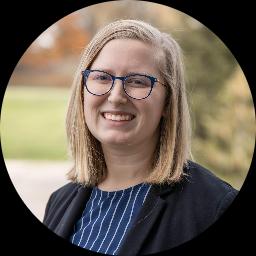
About Elizabeth
Elizabeth Morgan is a Licensed Master Social Worker (LMSW) in Michigan with three years of professional experience. She works with adults facing stress, anxiety, depression, LGBT concerns, family conflict, and coping with life changes.
Elizabeth focuses on clear, practical conversation. She helps people name what feels stuck and practices ways to speak up and set boundaries. Sessions aim for straightforward tools people can use between meetings.
Her work often centers on relationship patterns and communication, including blended family issues, divorce and separation, domestic violence, and workplace tensions. She also supports people navigating pregnancy and childbirth, questions about sexuality, and forgiveness-related concerns.
In sessions she invites honest talk about what is happening now and what someone wants to change. That may include role‑playing hard conversations, rehearsing what to say, or planning small behavior changes to test new ways of interacting.
Elizabeth uses evidence-based therapeutic techniques to guide practical steps. She pays attention to safety, personal values, and realistic next steps so changes feel manageable. Her approach is direct and focused on skills people can try between appointments.
People who want straightforward help with communication problems or coping with life transitions may find her approach useful. To begin, clients are asked to complete a short matching questionnaire and schedule a first session through the platform.
Therapeutic techniques and how online sessions work
Elizabeth uses evidence-based therapeutic techniques that focus on practical change. One common approach is skills-focused work that teaches specific ways to manage anxiety and stress, such as breathing, behavioral experiments, or short cognitive reframes to interrupt unhelpful thoughts. These tools are useful for everyday coping and for reducing the intensity of repeated arguments.Another frequently used method is communication practice. This involves rehearsing what to say, noticing patterns that lead to conflict, and trying new phrases or boundaries in session before using them in real life. That practice helps people gain confidence and clearer ways to ask for what they need.
Choosing the right approach is a collaborative process. The therapist will talk with the client about their goals and preferences, then try practical methods and adjust them based on what helps. Clients and the therapist work together to find techniques that fit the person’s daily life.
Confirm the current session options before booking, since formats are not specified in the biography. Online sessions can make it easier to fit therapy into a busy schedule, shorten check-ins when time is limited, or avoid commuting on a workday. Many people find remote sessions help keep progress steady while balancing family and work obligations.
Areas of expertise
Primary focus
Additional focus areas
Experience
3+ years
Credentials
Michigan
Languages
English
Frequently asked questions
What concerns does she address?
She works with stress, anxiety, depression, LGBT issues, family conflict, and coping with life changes. Additional focuses include communication problems, blended family issues, and workplace concerns.
What is her therapeutic approach like?
She uses evidence-based therapeutic techniques and practical conversation to help clients change patterns. Sessions often include skill practice, role play, and planning concrete next steps.
How much experience does she have?
She has three years of professional experience working with the listed concerns.
What credential and location does she hold?
She is an LMSW licensed in Michigan.
Which languages are offered?
Sessions are offered in English.
Can international clients work with her?
She does not accept international clients at this time.
How does payment and cost work?
Cost varies with location and sessions use a subscription that can be canceled at any time.
How do I get started?
Select the See online therapy options button, complete a short matching questionnaire, and then schedule a first session.
Online talk therapy is not emergency care, and no counselor can promise how a conversation or a relationship will turn out. If you feel unsafe, call or text 988, or call 911. Crisis information