- Communication problems
- Trauma and abuse
- LGBT support
About David
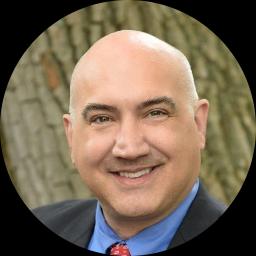
David Rossetti is a Licensed Clinical Social Worker - Recredentialed (LCSW-R) practicing in New York with 28 years of experience. He works with people facing stress, anxiety, depression, relationship difficulties, trauma and abuse, and supports LGBT clients. Communication problems are listed among his focus areas.
He frames work in straightforward terms. Sessions focus on clarifying what is happening between people, identifying repeated patterns, and practicing clearer ways to say what matters. He uses everyday language and practical steps rather than clinical jargon.
David has long experience helping people sort family of origin issues, codependency, abandonment and attachment questions, and the fallout of divorce or domestic violence. He also supports those dealing with fertility concerns, HIV/AIDS, hospice and end-of-life questions, and first responder related stress.
In the room he aims to map where communication breaks down and then try small, testable changes. That might include practicing a short script, noticing triggers, or setting limits in ways that feel manageable. He encourages repeated practice between sessions to build different habits.
Sessions are offered in English in New York. He uses his clinical background to listen for patterns and to suggest concrete alternatives people can try. To start, people complete a brief matching questionnaire and schedule a first session through the site's online options.
Therapeutic approaches and online sessions
David uses evidence-based therapeutic techniques focused on improving communication and reducing distress. One common approach helps people identify interaction patterns and replace a short sequence of behaviors with clearer responses; this can help with repeated arguments and relationship strain. Another approach focuses on processing trauma and strong emotions in small steps so memories and feelings become less overwhelming and everyday functioning improves.Choosing the right approach is part of the work. The therapist will collaborate with the client to decide which techniques fit current needs and goals. That means trying an approach, reviewing what works, and adjusting plans together rather than assuming a single method will be used forever.
Practical benefits of online work include fitting sessions into a busy schedule and keeping continuity when travel or work makes in-person meetings harder. The biography does not specify which session formats are offered, so confirm current session options before booking. Online sessions can make it easier to check in during a break, use a shorter phone check-in when bandwidth is limited, or continue work without additional commute time.
Areas of expertise
Primary focus
Additional focus areas
Experience
28+ years
Credentials
New York
Languages
English
Frequently asked questions
What kinds of concerns does he address?
He works with stress, anxiety, depression, relationship difficulties, trauma and abuse, and LGBT-related concerns. Communication problems and several family and identity issues are also listed as focus areas.
What is his therapeutic style?
He uses practical, evidence-based techniques focused on clarifying patterns and practicing different ways of communicating. Sessions center on concrete skills and real-life practice.
How much experience does he have?
He has 28 years of clinical experience working with a range of life challenges and interpersonal issues.
What are his credentials and location?
He is an LCSW-R licensed in New York and practices in New York state.
Which languages are offered?
Sessions are offered in English.
Can international clients work with him?
International clients are not currently accepted.
How are sessions priced?
Cost varies with location and sessions use a subscription that can be canceled at any time.
How do I begin working together?
Use the See online therapy options button, complete a short matching questionnaire, and schedule a first session.
Online talk therapy is not emergency care, and no counselor can promise how a conversation or a relationship will turn out. If you feel unsafe, call or text 988, or call 911. Crisis information