- CBT methods
- DBT skills
- Emotion-focused work
About Dariann
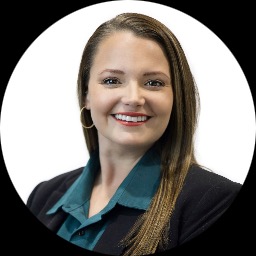
Dariann Updike is a Licensed Professional Clinical Counselor (LPCC) with eight years of experience based in Kentucky. She works with people facing stress, anxiety, relationship struggles, low self-esteem, and life changes. Communication problems, self-love, and social anxiety are also listed focus areas.
Dariann uses straightforward, evidence-informed methods in sessions. She draws on Cognitive Behavioral Therapy (CBT) and Dialectical Behavior Therapy (DBT) to teach coping skills and emotional regulation. Emotionally-Focused Therapy (EFT) and Motivational Interviewing help when emotions and values guide the work.
She aims to help people notice unhelpful patterns and practice alternatives. Sessions often involve learning small, practical tools to handle difficult conversations and manage worry. The emphasis is on skills that translate to everyday situations.
Dariann also supports people working through transitions and relationship tensions. That can mean practicing how to say what you need or reducing avoidant reactions that keep arguments repeating. The work tends to be active and focused on real-life steps.
Her style is collaborative; she invites clients to set goals and checks progress along the way. People who prefer clear strategies and a mix of talk and skills practice may find this approach useful. To begin, readers are encouraged to confirm session options before booking.
How her approaches translate to online work
Dariann commonly uses Cognitive Behavioral Therapy and Dialectical Behavior Therapy in her work. CBT focuses on identifying unhelpful thoughts and testing practical changes in behavior, which helps with anxiety and stress. DBT emphasizes emotion regulation and distress tolerance skills to reduce reactive responses and improve communication.She also draws on Emotionally-Focused Therapy when emotions are central to relationship concerns. EFT helps people recognize patterns in emotional reactions and try new ways of responding that can reduce repeated arguments or withdrawal.
Choosing a method is a collaborative process. The therapist will talk with clients about goals and try approaches that fit their needs and preferences. That might mean focusing on skill-building first, then shifting to deeper emotion work if it seems useful.
Session formats are not specified here, so confirm current options before booking. Online sessions can make it easier to fit therapy into a busy week, allow shorter check-ins when time is limited, and remove travel time. These practical benefits can help people practice new communication skills in their daily lives without changing other routines.
Areas of expertise
Primary focus
Additional focus areas
Therapeutic approaches
Experience
8+ years
Credentials
Kentucky
Languages
English
Frequently asked questions
What concerns does she address?
She works with stress, anxiety, relationship difficulties, self-esteem, and coping with life changes. Communication problems, self-love, and social anxiety are also listed focus areas.
What is her therapeutic style?
The approach is collaborative and practical, combining talk with skills practice. Sessions emphasize learning tools to manage emotions and difficult conversations.
How much experience does she have?
She has eight years of clinical experience working with a range of concerns related to mood, stress, and relationships.
What are her credentials and location?
She holds the LPCC credential and practices in Kentucky. The credential is shown as KY LPCC.
Which languages are supported?
Sessions are offered in English.
Does she work with international clients?
International clients are not currently accepted.
How are sessions priced?
Cost varies with location and sessions use a subscription model that can be canceled at any time.
How do I begin a first session?
Use the See online therapy options button, complete a short matching questionnaire, and schedule a first session.
Online talk therapy is not emergency care, and no counselor can promise how a conversation or a relationship will turn out. If you feel unsafe, call or text 988, or call 911. Crisis information