- Client-Centered Therapy
- Cognitive Behavioral Therapy
- Women's issues
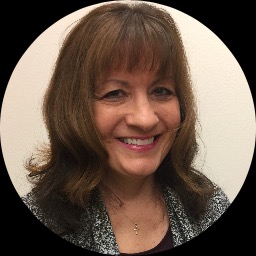
About Danae
Danae Ganos is an LCSW (Licensed Clinical Social Worker) with 24 years of experience based in Illinois. She focuses on stress, anxiety, trauma and abuse, grief, depression, and coping with life changes, and lists communication problems among her practice areas. Danae works with adults who need practical help managing strong emotions and difficult conversations.
She uses Client-Centered Therapy to listen closely and help people name what matters most to them. Danae also draws on Cognitive Behavioral Therapy (CBT) to identify unhelpful thinking patterns and build manageable new habits. Sessions tend to be straightforward and goal-focused while staying responsive to each person's pace.
Danae pays particular attention to issues that often follow separation and family of origin wounds. She helps people navigate divorce and separation logistics, untangle codependency, and address guilt, shame, or isolation. Many clients come for help rebuilding self-regard and clearer communication with others.
Her work includes attention to women's issues and how personal beliefs intersect with emotional health. She weaves practical coping strategies with conversational, real-world problem solving. That can mean practicing ways to bring up hard topics, setting boundaries, or planning step-by-step changes.
People who choose her often want concrete tools alongside reflective listening. She asks direct questions, suggests small exercises to try between sessions, and revisits goals regularly. To begin, prospective clients follow the site's matching steps and schedule an initial session.
How her approaches translate to online work
Client-Centered Therapy focuses on listening and reflecting so the person can clarify what they need. Online sessions use that same approach by creating time to state concerns and decide next steps together. This method helps when someone needs to practice saying hard things or sort through feelings before a difficult conversation.Cognitive Behavioral Therapy (CBT) breaks problems into thoughts, feelings, and actions and then tests small changes. In remote sessions CBT can be very practical - tracking moods, trying a short behavioral experiment, or rehearsing a new way to speak up. It is often used for anxiety, low mood, and communication habits.
Finding the right approach is part of the work. The therapist will collaborate with clients to choose techniques that fit their goals and daily life. That means reviewing what helps, adjusting homework, and shifting focus as needs change.
Session formats are not listed in the biography, so confirm current session options before booking. Online work can make it easier to fit therapy into a busy schedule, reduce travel time, allow shorter check-ins when needed, and let people join from wherever they are at the scheduled time. Licensed professionals often use these practical benefits to keep progress consistent while addressing communication and emotional concerns.
Areas of expertise
Additional focus areas
Therapeutic approaches
Experience
24+ years
Credentials
Illinois
Languages
English
Frequently asked questions
What concerns does she work with?
She supports people with stress, anxiety, trauma and abuse, grief, depression, and coping with life changes. Communication problems and related issues like codependency and guilt are included.
How would you describe her therapeutic style?
Her style combines close listening from a Client-Centered approach with practical CBT techniques. Expect conversational sessions and concrete exercises to try between meetings.
How much experience does she have?
She has 24 years of clinical experience working with adults on emotional and relational concerns.
What are her credentials and where is she located?
She is an LCSW licensed in Illinois and practices from that state.
Which languages are supported?
Sessions are offered in English.
Does she work with international clients?
She is not currently accepting international clients.
How are sessions billed?
Cost varies with location and sessions use a subscription model that can be canceled at any time.
How do I get started?
Select the See online therapy options button, complete the short matching questionnaire, and schedule your first session.
Online talk therapy is not emergency care, and no counselor can promise how a conversation or a relationship will turn out. If you feel unsafe, call or text 988, or call 911. Crisis information