- Addictions support
- Relationship issues
- Communication work
About Bruce
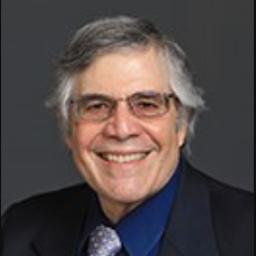
Dr. Bruce Friedman is a Licensed Clinical Social Worker with a Texas LCSW and a Minnesota LICSW and has 13 years of practice. He focuses on addictions, relationship and intimacy-related issues, coping with life changes, and coaching. He also lists communication problems among his areas of focus.
Dr. Friedman trained in intergenerational family therapy and has a background working with substance use disorders. He developed a smoking cessation program and has worked extensively with people with disabilities and older adults. He draws on discussions of spirituality when that is meaningful to the person he is working with.
In sessions he tends to address patterns that repeat across relationships and generations. He helps people name what gets in the way of conversations and practice clearer ways of speaking and listening. He also supports practical changes, such as behavioral steps for managing addiction or quitting smoking.
He frames challenges as practical problems to be worked on together. That can include exploring family history, changing day-to-day habits, and rehearsing difficult conversations. He uses evidence-based therapeutic techniques in ways that fit each person’s situation.
Clients can expect direct, task-focused conversations about communication and behavior. Dr. Friedman brings experience from clinical work with addiction, caregiving stress, blended family issues, and aging-related concerns. Prospective clients should confirm current session formats and scheduling options before booking.
How therapeutic approaches translate to online work
Dr. Friedman often draws on intergenerational family therapy to look at patterns passed between generations. This approach helps identify how family history affects current communication and relationship behavior, and it can guide concrete changes in how people interact. He also uses evidence-based techniques that focus on behavior change, such as structured steps for managing addictive habits and smoking cessation. Those techniques break larger goals into small actions and measurable practices that can be reviewed in sessions. Finding the right method is part of the work. He will collaborate with each person to choose approaches that fit their goals and daily life, adjusting methods as progress is reviewed. The selection of techniques is practical and goal-oriented rather than fixed. Confirm session formats before booking since the biography does not list specific delivery methods. Online work can make it easier to fit sessions into a busy schedule, reduce travel time, and allow shorter check-ins when needed. It can also let someone attend from a quieter spot or avoid needing to be on camera, depending on the chosen format. Licensed professionals can adapt exercises, role-plays, and behavioral assignments to work over remote sessions when those formats are arranged.Areas of expertise
Primary focus
Additional focus areas
Experience
13+ years
Credentials
Texas, Minnesota
Languages
English
Frequently asked questions
What concerns does he address?
He focuses on addictions, relationship and intimacy-related problems, coping with life changes, coaching, and related issues such as communication problems and caregiver stress.
How would you describe his therapeutic style?
He uses practical, task-focused conversations and evidence-based techniques to address repeating patterns and everyday communication habits.
How much experience does he have?
He has 13 years of clinical experience working in areas including substance use, aging, and disability-related concerns.
What credentials and location apply to his practice?
He holds LCSW and LICSW credentials and practices in Texas with those credential designations listed as TX LCSW and MN LICSW.
Which languages are supported for sessions?
Sessions are offered in English.
Can international clients work with him?
International clients are not currently accepted.
How are sessions paid for?
Cost varies with location and sessions use a subscription that can be canceled at any time.
How do I begin a first session?
Select the See online therapy options button, complete a short matching questionnaire, and schedule a first session.
Online talk therapy is not emergency care, and no counselor can promise how a conversation or a relationship will turn out. If you feel unsafe, call or text 988, or call 911. Crisis information