- CBT methods
- Mindfulness practice
- Motivational interviewing
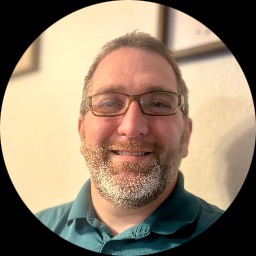
About Benjamin
Benjamin Wrase is an Illinois licensed clinical social worker (LCSW) with 20 years of experience. He supports people dealing with communication problems, addictions, anger, anxiety, depression, grief, parenting strain, and related concerns.
He works in a straightforward, practical way. Sessions focus on identifying unhelpful patterns and trying small changes that make conversations less heated and more productive. He combines cognitive behavioral techniques with mindfulness and motivational interviewing to help people notice thoughts and habits that get in the way of clear speaking.
Benjamin also brings a faith-informed perspective for clients who want that included. He uses that worldview alongside clinical methods to address guilt, shame, and forgiveness when those topics matter to the person sitting in front of him. Spiritual beliefs are one element he may incorporate when asked.
In a typical session he will listen for repeated communication patterns, suggest small behavioral experiments, and teach brief skills for calming strong emotions. He encourages practical tools you can use between sessions to reduce reactivity and improve follow-through.
People who want direct, experience-based work around relationship tension or workplace conflict often find this approach useful. He aims to help clients speak more clearly, respond less from anger, and make steady, manageable shifts over time.
How Benjamin uses CBT, mindfulness and motivation online
Benjamin draws on cognitive behavioral therapy to help people spot and change thoughts that fuel angry or avoidant communication. CBT work often involves noticing specific thought patterns and testing new ways of speaking or responding in real life.He also uses mindfulness techniques to help people recognize strong emotions as they arise. Simple attention and breathing practices make it easier to pause before reacting in conversations. Motivational interviewing is another tool he uses to help build commitment to change and to find personal reasons for trying new behaviors.
Choosing the right approach is part of the work. Benjamin treats that as a team effort. He will discuss options, try different techniques, and adjust based on what fits the client's goals and comfort level.
If you want to book, please confirm the current session formats before scheduling. The practical benefits of online sessions can include easier scheduling around work, shorter check-ins when time is tight, and fewer travel demands so therapy fits into an everyday routine.
Areas of expertise
Primary focus
Also works with
Additional focus areas
Therapeutic approaches
Experience
20+ years
Credentials
Illinois
Languages
English
Frequently asked questions
What kinds of problems does he help with?
He works with issues such as addictions, trauma and abuse, stress, anxiety, relationship and family strain, grief, parenting challenges, anger, self esteem, depression, and communication problems.
How would you describe his therapeutic style?
He uses practical, skills-based work drawing on cognitive behavioral techniques, mindfulness, and motivational interviewing to change thoughts and behaviors that interfere with clearer communication.
How much experience does he have?
Benjamin has 20 years of clinical experience working with people across a range of emotional and behavioral concerns.
What are his credentials and where is he based?
He is an Illinois LCSW, practicing in Illinois.
Which languages are sessions offered in?
Sessions are offered in English.
Does he work with international clients?
He does not accept international clients at this time.
How are sessions arranged and what do they cost?
Cost varies with location; sessions use a subscription that can be canceled at any time.
How do I start a first session?
Select the See online therapy options button, complete a short matching questionnaire, and schedule your first session.
Online talk therapy is not emergency care, and no counselor can promise how a conversation or a relationship will turn out. If you feel unsafe, call or text 988, or call 911. Crisis information