- Communication work
- Trauma support
- Mood management
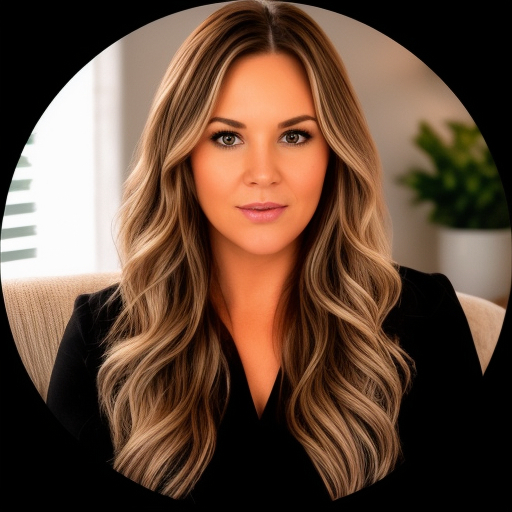
About Amanda
Amanda Shelton is a Licensed Mental Health Counselor (LMHC) practicing in Indiana with 14 years of experience. She focuses on stress, anxiety, addictions, trauma and abuse, bipolar disorder, and depression. Amanda also pays attention to communication problems, caregiver stress, body image, and feelings of isolation.
She helps people who are stuck in repeating arguments or who avoid difficult conversations. Sessions focus on clearer expression, setting boundaries, and managing intense emotions during conflict. Work is straightforward and action-oriented, with practical steps to try between meetings.
Amanda uses evidence-based therapeutic techniques to address panic, post-traumatic stress, mood swings, and social anxiety. She helps clients notice patterns in how they react and practice new ways of responding. This includes short exercises in session and real-life practice to build different habits.
Her background includes more than a decade working with adults who face chronic stress and mood difficulties. Amanda draws on clinical experience to help people sort through shame, guilt, and problems with self-worth. She also supports caregivers dealing with ongoing strain and those coping after traumatic events.
Sessions are aimed at helping people communicate their needs and reduce the recurring conflicts that wear them down. Before booking, confirm current session options so they match the client’s schedule and preferences. To start, a short matching questionnaire is completed and a first session is scheduled.
How evidence-based approaches translate to online care
Amanda works with evidence-based therapeutic techniques that focus on clear goals and measurable steps. One common approach she uses involves teaching practical coping skills to manage anxiety and panic. These skills are practiced in session and applied to real situations to reduce reactivity and build confidence.Another approach emphasizes processing trauma and strong emotions in a paced way. This method helps people make sense of past events and reduces their impact on current relationships and communication. It can be especially useful when repetitive arguments or avoidance are linked to earlier experiences.
Choosing the right approach is collaborative. The therapist will discuss goals, preferences, and what has or hasn’t helped before. Together they decide which techniques to try, then adjust the plan based on what works in practice.
Confirm which session formats are currently offered before booking. Online therapy can make it easier to fit sessions into a busy week, shorten travel time, and allow for different kinds of check-ins when life is hectic. It also makes it simpler to practice communication skills in everyday contexts and carry exercises into daily routines.
Areas of expertise
Primary focus
Additional focus areas
Experience
14+ years
Credentials
Indiana
Languages
English
Frequently asked questions
What concerns does she address?
She works with stress, anxiety, addictions, trauma and abuse, bipolar disorder, and depression, plus related issues like body image and communication problems.
What is her therapeutic style?
She uses evidence-based therapeutic techniques and practical exercises to help people change patterns and try new responses between sessions.
How much experience does she have?
She has 14 years of clinical experience working with adults on mood and anxiety issues.
What are her credentials and location?
She is an LMHC licensed in Indiana and practices in that state.
Which languages are offered?
Sessions are offered in English.
Can she work with clients outside the U.S.?
International clients are not currently accepted.
How much do sessions cost?
Cost varies with location; sessions use a subscription that can be canceled at any time.
How do I begin working with her?
Select the See online therapy options button, complete a short matching questionnaire, and schedule a first session.
Online talk therapy is not emergency care, and no counselor can promise how a conversation or a relationship will turn out. If you feel unsafe, call or text 988, or call 911. Crisis information